

Kenya Becomes Global Eye Health Battleground as 500 Experts Land in Nairobi
Share

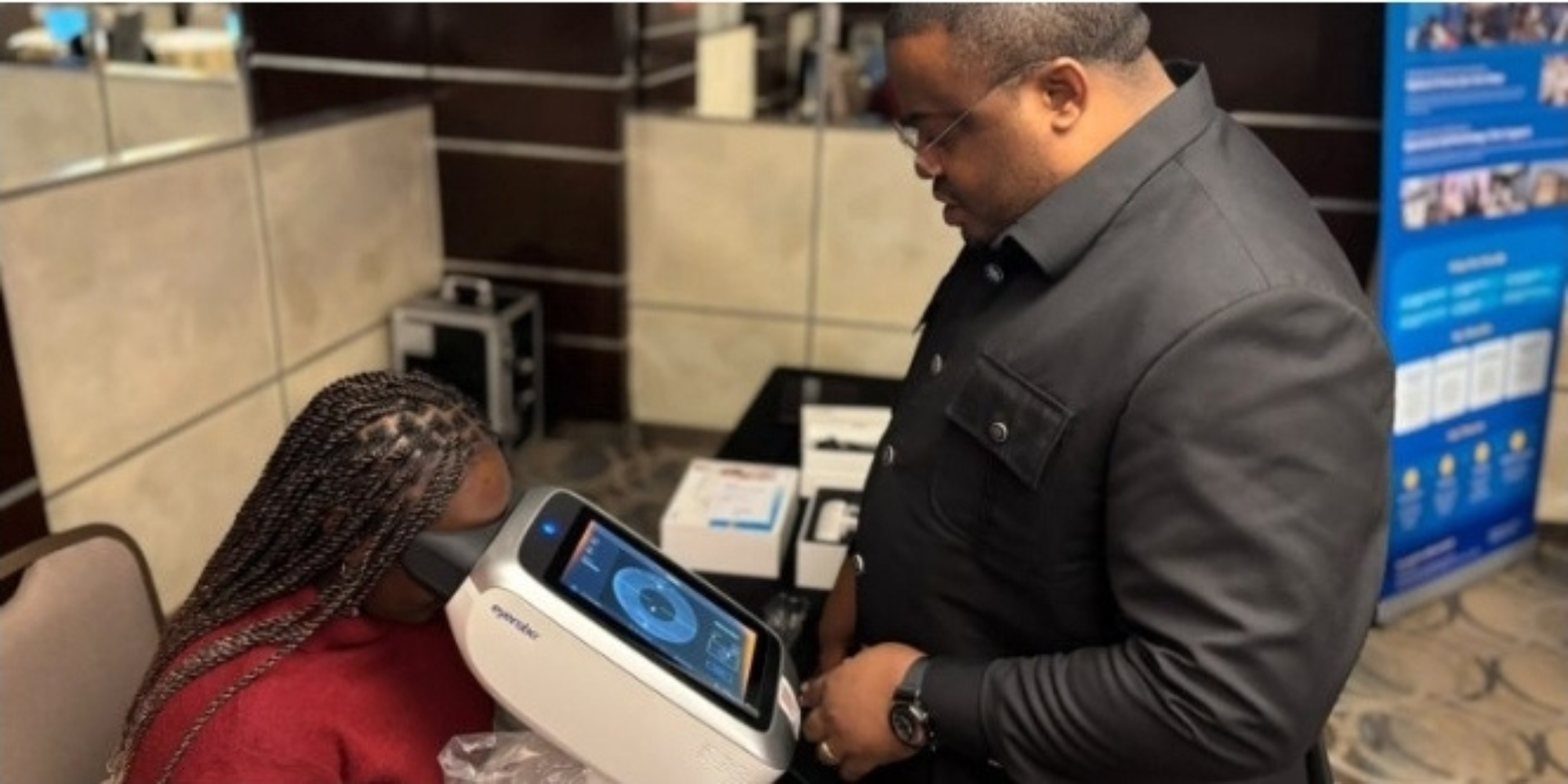
Kenya will host more than 500 global eye health experts this week. As a result, the event ranks among the largest conferences ever held in the region.
The 2030 In Sight Live Kenya Conference will take place from June 4 to 6 in Nairobi.
Speaking during a pre-conference briefing on the upcoming 2030 In Sight Live Kenya Conference, Acting Head of Eye Health Dr. Monicah Bitok highlighted the urgency of action.
“Kenya has made important progress in reducing blindness, but preventable vision impairment remains a significant public health challenge,” she said.
The government aims to expand access to services across the country. In addition, it is embracing artificial intelligence and telemedicine to improve early detection.
Eye Health Progress and Investment in Kenya
However, millions of Kenyans still live with preventable or treatable eye conditions. Therefore, early diagnosis remains key to reducing long-term vision loss.
Data from the Ministry of Health shows notable progress in recent decades. Currently, about 0.37 percent of Kenyans are blind.
As a result, this marks a 47 percent reduction over the past 30 years.
Nevertheless, experts say more investment could accelerate these gains further.
A Value of Vision report highlights strong economic returns from eye health investment. Specifically, every dollar invested can generate up to 28 dollars.
In Kenya, a projected 25 million dollar investment could yield 265 million dollars. Consequently, the benefits would span from 2026 to 2030.
Also Read: Court Stops CS Duale Order To Scrap MKU Oral Health Degree
Eye Health Conference to Drive Global Solutions
Meanwhile, the conference will gather delegates from Africa and beyond. They will discuss solutions to strengthen eye care systems.
In addition, participants will explore ways to expand access to treatment services. Ultimately, the goal is to eliminate avoidable blindness faster.
“There is a lot of benefit to investing in eye health for the country,” said IAPB Regional Manager Kristine Nyabera.
“Apart from the economic gains, Kenya is also set to avert around 4,000 cases of depression, gain 8,638 years in learning, and avert traffic accidents caused by vision problems,” she added.
Eye Health Burden and Leading Conditions
At the same time, Dr. Bitok noted that several conditions continue to burden the health system. These include cataracts, glaucoma, and diabetic retinopathy.
Notably, cataracts remain the leading cause of blindness in Kenya. They account for nearly half of all blindness cases.
Similarly, refractive errors affect an estimated 9.6 million Kenyans. However, doctors can correct many of these cases using prescription glasses.
In addition, around 15,000 children live with preventable or treatable vision loss. This situation affects their education and development.
Furthermore, untreated eye conditions impact more than health outcomes. They also affect school performance, jobs, and quality of life.
Eye Health Technology and Innovation
As a result, these effects hit underserved and rural communities harder. Access to specialists remains limited in many regions.
Therefore, technology will be a major focus of the Nairobi conference. Experts will explore how innovation can close access gaps.
For instance, artificial intelligence will support faster and more accurate diagnosis. At the same time, digital platforms will enable remote consultations.
Similarly, tele-ophthalmology will connect rural patients to urban specialists. This approach reduces travel barriers and treatment delays.
Consequently, experts believe these innovations could transform service delivery. This is especially important in areas with few specialists.
Also Read: Kenya Receives International Recognition at Global Health Summit
Eye Health Challenges and Future Outlook
Beyond technology, the conference will address broader health system challenges. These include workforce gaps and sustainable financing.
In addition, delegates will examine service delivery models and policy frameworks. They will also discuss rising cases of non-communicable diseases.
For example, diabetes continues to increase across Africa at a concerning rate. As a result, the risk of diabetic retinopathy is rising.
This condition damages blood vessels in the retina. If untreated, it can lead to irreversible blindness.
Meanwhile, the meeting supports Kenya’s commitment to Universal Health Coverage. It also highlights eye health as a key part of overall well-being.
At the same time, hosting the summit strengthens Nairobi’s role as a regional innovation hub. It brings together experts to share ideas and solutions.
Organizers expect more than 500 delegates to attend the event. Therefore, they see it as a chance to build strong partnerships.
Ultimately, these partnerships can accelerate progress toward global eye health goals. The aim is universal access to quality care by 2030.
In conclusion, the summit highlights both progress and remaining gaps in Kenya. Preventable blindness still limits many lives and opportunities.
Follow our WhatsApp channel for instant news updates
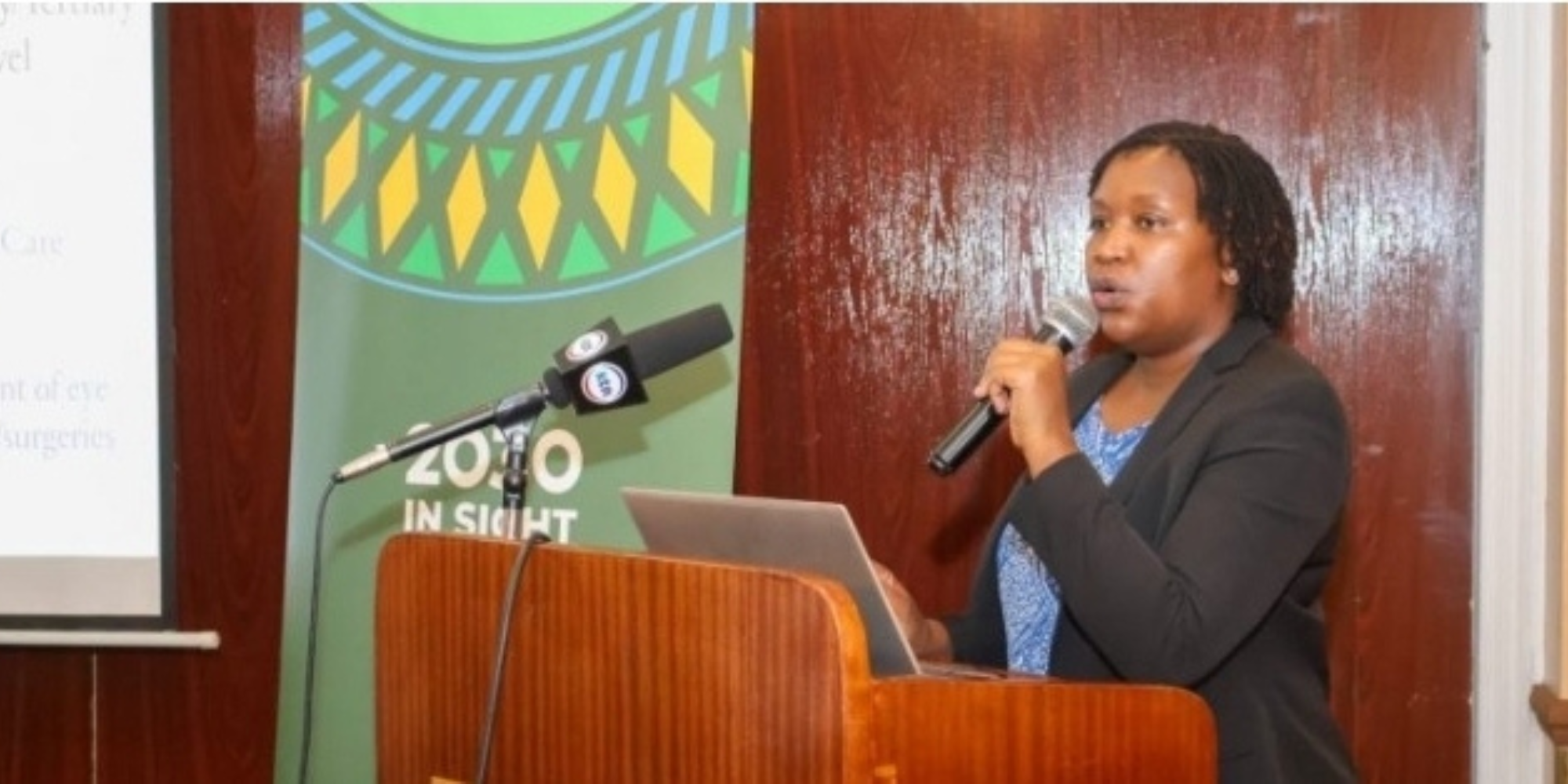
Dr. Monicah Bitok, the Acting Head of Eye Health at Kenya’s Ministry of Health, speaks during a pre-conference briefing ahead of the global 2030 In Sight Live Conference in Nairobi. PHOTO/ MoH X