

Possible Rise in Sleeping Sickness Expected as Tsetse Fly Control Budget Falls to Ksh 50 Million
Share

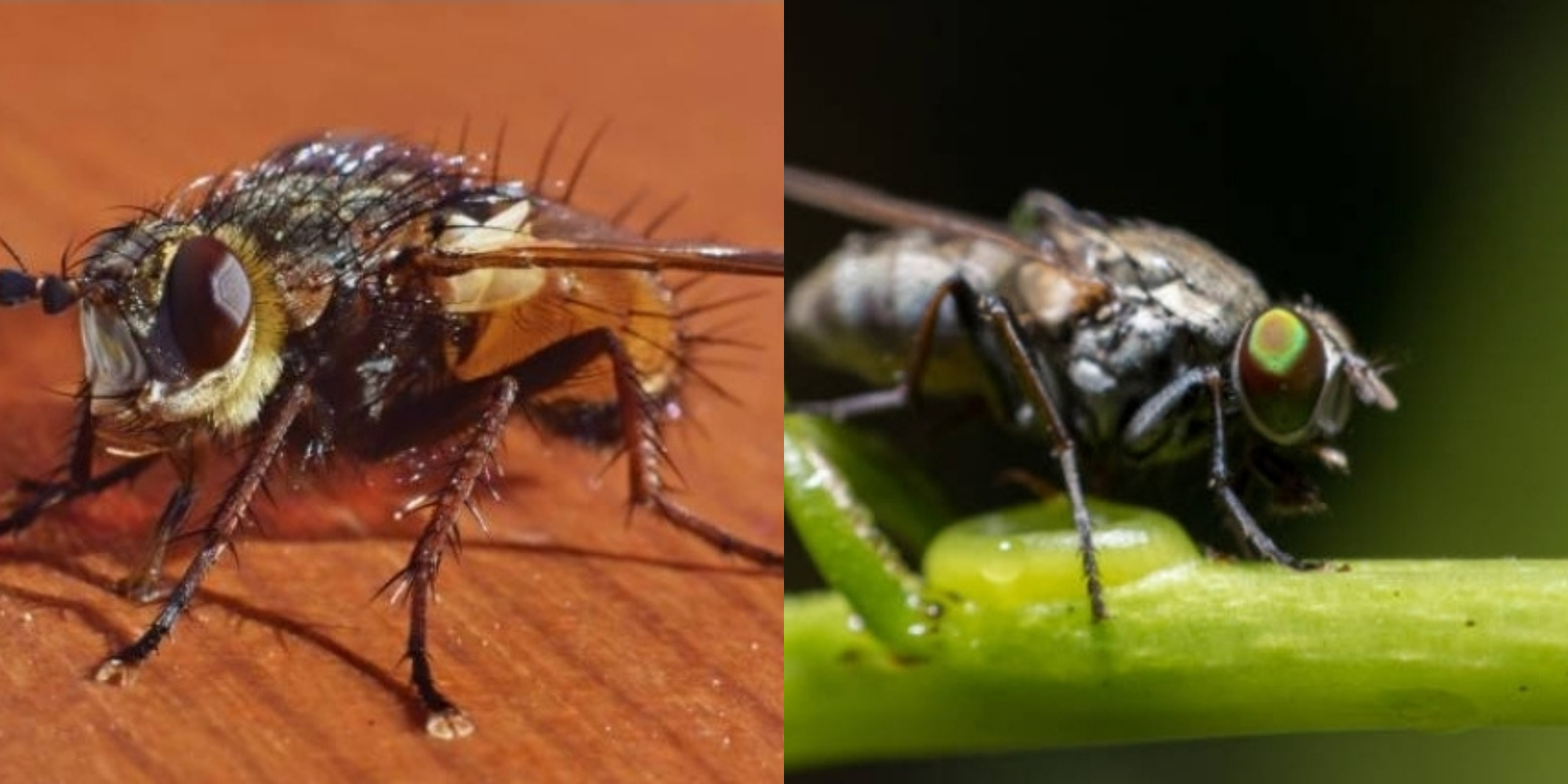
Concerns are mounting over a possible resurgence of tsetse fly infestations and trypanosomiasis in Kenya after lawmakers raised alarm over sharp budget cuts to the control programme run by the Kenya Tsetse and Trypanosomiasis Eradication Council (KENTTEC).
The warning emerged during a meeting between the National Assembly Committee on Agriculture and Livestock and KENTTEC officials on June 16, 2026.
During the session, the agency defended its mandate, outlined progress, and highlighted rising operational challenges.
Tigania West MP John Mutunga chaired the session, which brought together KENTTEC Board Chairperson Dr. Geoffrey Muttai and Chief Executive Officer Dr. Seth Onyango.
The officials presented both achievements and concerns about shrinking funding.
Dr. Onyango told the committee that KENTTEC focuses on suppressing tsetse fly populations using the Flies Per Trap Per Day (FTD) metric.
“Our work is to support livestock production through the suppression of tsetse fly populations using the Flies Per Trap Per Day (FTD) metric,” said Dr. Seth Onyango.
Tsetse Fly Infestation Spreads Across 138,000 Square Kilometres
Dr. Onyango reported that tsetse flies still infest about 138,000 square kilometres, which equals roughly 23 percent of Kenya’s land mass.
He added that the infestation affects 38 of the 47 counties and continues to disrupt livestock production and land use.
The infestation spreads across 38 counties and exposes large parts of the country to trypanosomiasis, which continues to affect both livestock health and agricultural productivity.
He further explained that the presence of tsetse flies reduces livestock productivity and limits farmers from fully using arable land for food production.
Also Read: MPs Reach Deal on Ksh 428 Billion County Revenue Allocation
Dr. Onyango noted that rural communities suffer the most since they rely heavily on livestock for income and survival.
“Trypanosomiasis continues to pose a major public health and economic threat, particularly in rural communities where livelihoods depend heavily on livestock and agriculture,” he said.
KENTTEC Reports Progress in the Disease Reduction
Despite the challenges, KENTTEC reported major progress. The agency said its interventions reduced tsetse fly populations across more than 24,000 square kilometres, representing 17 percent of affected areas.
It also confirmed that the World Health Organization declared Kenya free of sleeping sickness in June 2025, with no human cases recorded since 2009.
However, officials warned that funding cuts now threaten to reverse these gains.
They told lawmakers that allocations dropped from Ksh 720 million in 2012/2013 to Ksh 50 million in 2025/2026.
Officials also noted that the 2026/2027 allocation stands at only Ksh 15 million against a requirement of Ksh 200 million.
Also Read: KALRO Warns of Rising Aflatoxin Levels in Cereals Sold Across Kenyan Markets
MPs Question Sharp Budget Decline
Members of the committee raised concern over the reduced funding and warned that it could undermine years of progress.
Kanduyi MP John Makali questioned the government’s priorities and called for stronger support for the programme.
“We appreciate the importance and impact of this institution, but I am quite alarmed by the lack of allocated funds,” he said.
Makali also challenged KENTTEC leadership to explain how it lobbies for funding at the ministry level.
He noted that Parliament only allocates funds based on proposals submitted by ministries.
Chairperson John Mutunga asked KENTTEC to explain its long-term sustainability plans. He urged the council to strengthen collaboration with county governments and development partners.
“What arrangements do you have with the Ministry regarding the continuation of this programme? Have you evaluated collaboration with county governments, and what would the cost implications be?” he asked.
He further urged the agency to boost public awareness, deepen partnerships, and submit a detailed cost analysis of its programmes.
KENTTEC Cites Key Development Partnerships
In response, Dr. Onyango said KENTTEC works with partners such as the Food and Agriculture Organization (FAO), International Centre of Insect Physiology and Ecology (ICIPE), Kenya Agricultural and Livestock Research Organization (KALRO), and the International Livestock Research Institute (ILRI).
He also urged Parliament to support the proposed Livestock Bill, 2026, which he said would address key policy gaps affecting the council’s operations.
As discussions continue, stakeholders warn that without urgent funding intervention, Kenya could lose years of progress in controlling tsetse fly infestations and protecting livestock-dependent communities.
Follow our WhatsApp channel for instant news updates

Tigania West MP and Agriculture Committee Chair John Mutunga leads a discussion on the sharp funding decline facing KENTTEC’s tsetse fly control initiatives on June 16, 2026. PHOTO/ Parliament of Kenya