

OPINION: We Are Raising Children Who Can’t Handle Frustration
Share

By Nyakenyanya Japhet, Police Psychologist
Last month, I sat across from a 15-year-old boy in a police cell. His eyes were empty. His hands trembled.
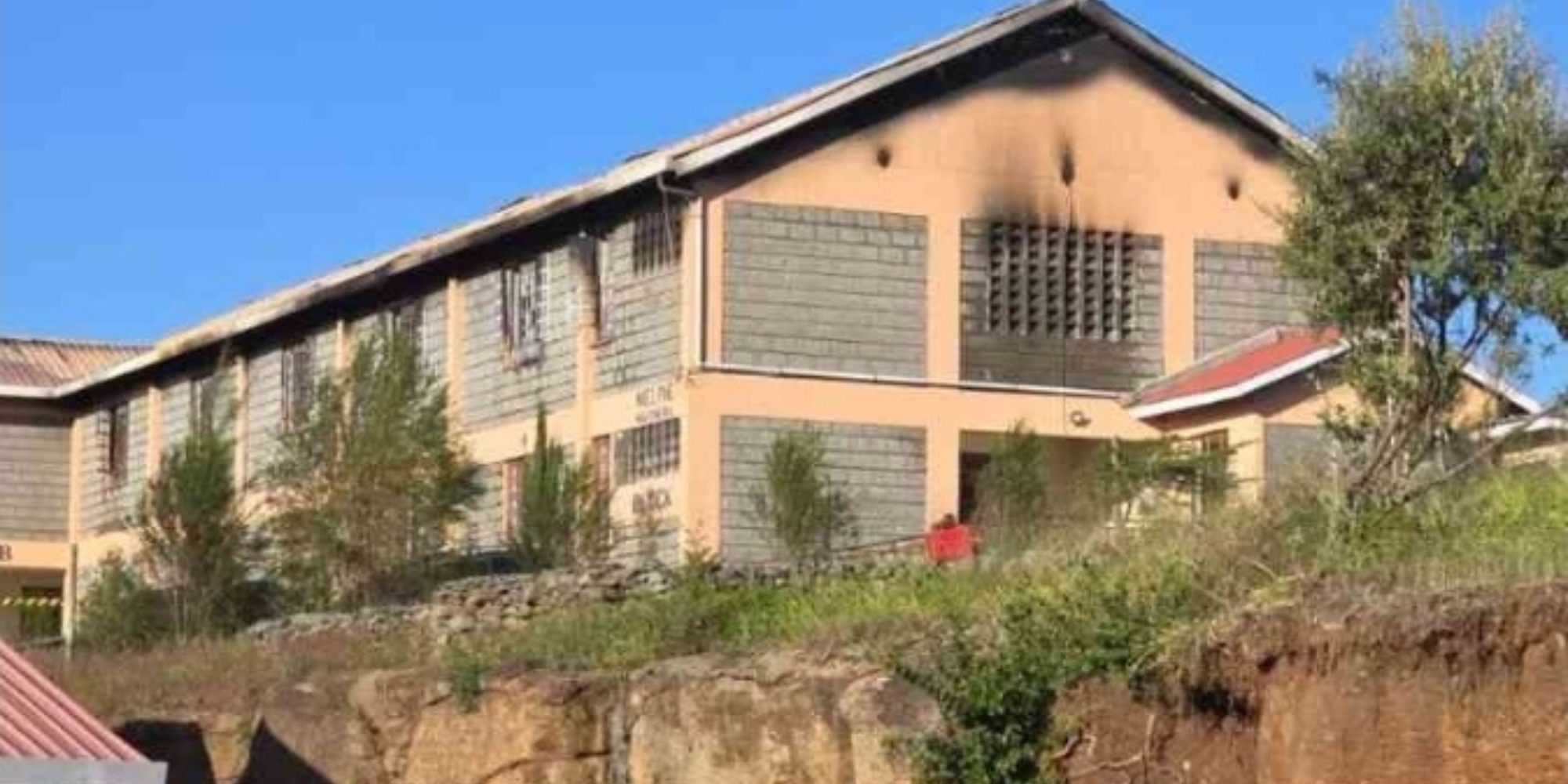
Three days earlier, he had taken part in a student strike that destroyed school property and injured two teachers. He now faces charges that could follow him for life.
Outside my office, his mother wept. “I gave him everything,” she said. “I don’t understand how this happened.”
I see this scene playing out across our country with alarming frequency. School strikes have risen dramatically.
Students Dying
Students have died. Others have been taken to court. Schools have closed indefinitely, disrupting thousands of young lives.
As a police psychologist who has interviewed dozens of these students, I have reached a painful conclusion: we are raising children who never learned to handle frustration. And now, the consequences are spilling into our schools.
Every parent wants to make life easy for their child. They do not want their child to suffer, struggle, or work too hard.
Also Read: Former County Official Accused of Pocketing Ksh 8.3 Million in Fake Claims
So they do everything for them. They pick up their clothes, make their bed, clean their room, solve every problem, defend them whenever they are wrong, and remove every obstacle from their path.
The child grows up feeling special, feeling important, feeling like the world exists to serve them.
But then life arrives.
Life Lessons
Life does not care that your mother always picked up after you. Life does not care that someone always cleaned your mess.
Life does not care that you never learned responsibility. Suddenly, the child who was treated like a king becomes a slave to life’s challenges.
Simple tasks become difficult. Responsibility becomes overwhelming. Criticism becomes unbearable. Failure becomes devastating.
When I interview students involved in strikes, I hear the same patterns. One says, “Nobody tells me what to do.” A child who never heard “no” at home cannot accept authority at school. Another says, “The teacher disrespected me.”
A child who was never corrected gently interprets any instruction as an attack. Another explains, “I was angry, so I broke things.”
Emotional Regulation
A child who never learned emotional regulation explodes when frustrated.
Then there is the student who confidently says, “My parents will fix it.” A child who has always been rescued expects no real consequences.
These children are not monsters. They are the product of a parenting philosophy that confuses love with the absence of difficulty.
The child who never carried a load now breaks under pressure. The child who never solved problems now runs from them sometimes by destroying school property.
The child who never learned discipline now cannot succeed in any structured environment.
A butterfly struggles to emerge from its cocoon. That struggle strengthens its wings.
If someone cuts open the cocoon to make life easier, the butterfly may never fly. Children are the same. Small responsibilities build strong character.
Children
Small chores build work ethic. Small disappointments build resilience. Small failures build wisdom. When we remove every struggle, we do not help our children. We cripple them.
And when hundreds of crippled children gather in one school, the result is predictable: chaos, destruction, and tragedy.
Do not raise children who are comfortable doing nothing. Raise children who can face challenges, who can work, who can think, and who can stand on their own feet.
One day, you will not be there to solve every problem. Your money may not be there. Your influence may not be there.
Your protection may not be there. What will remain is the character you built inside your child.
The goal of parenting is not to prepare the road for the child. The goal of parenting is to prepare the child for the road.
A child who learns responsibility at home will handle responsibility in school and in life. A child who learns discipline at home will succeed outside the home.
A child who learns resilience at home will survive life’s storms without burning down the school.
There are practical steps every parent can take. Give age-appropriate chores and responsibilities.
Responsibilities
A six-year-old can put away toys, while a twelve-year-old can help prepare simple meals. Responsibility is learned through practice.
Allow children to fail safely. Do not rush to call the teacher over every poor grade or fight every small battle on their behalf.
Let them experience disappointment while the stakes are still low. Learn to say no and mean it. Sometimes the most loving word a parent can use is “no.” Teach emotional vocabulary and healthy emotional expression.
When a child is angry, help them understand that anger is normal, but destructive behavior is not.
They can breathe, talk, seek support, or walk away. Finally, model accountability.
When you are wrong, apologize. Children learn more from what they observe than from what they are told.
To teachers and school administrators, you are not babysitters or replacement parents, but you are on the front lines of a crisis that often begins at home.
Do not be afraid to enforce consequences or hold students accountable. Every time a child destroys property without meaningful repercussions, the dangerous belief that actions have no consequences is strengthened.
To parents who will rush to defend their child after a strike, ask yourself whether your defense is helping or harming.
Sometimes, the most loving thing you can do is allow your child to face the consequences of their choices.
The hard truth is that many parents believe they are helping their children by removing every difficulty. In reality, they are removing every opportunity for growth. I have stood in morgues.
Also Read: Nairobi Set for Electric Trains as Kenya Railways Unveils Major World Bank-Funded Plan
I have stood in courtrooms. I have watched bright young lives derailed because no one ever taught them that the world does not revolve around them.
Do not make your child’s life so easy that adulthood becomes impossible. Train them today so that life does not have to train them tomorrow.
The students destroying our schools are not born rebels. They are children who never learned that frustration is part of life, that authority is not oppression, and that violence is never the answer to disappointment.
Parents who do everything for their children often leave their children unable to do anything for themselves. And sometimes, those children end up in my office or worse, in a courtroom or a grave.
Let us raise children who can carry the weight of life. Their future depends on it. So does the safety of our schools.
Follow our WhatsApp channel for instant news updates
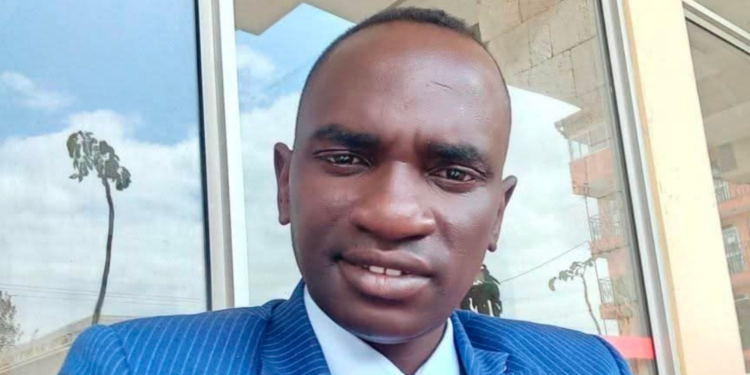
Dr.Japhet Nyakenyanya
PHOTO/FB