Major Blow to Ruto as High Court Declares Cabinet Unconstitutional
Share
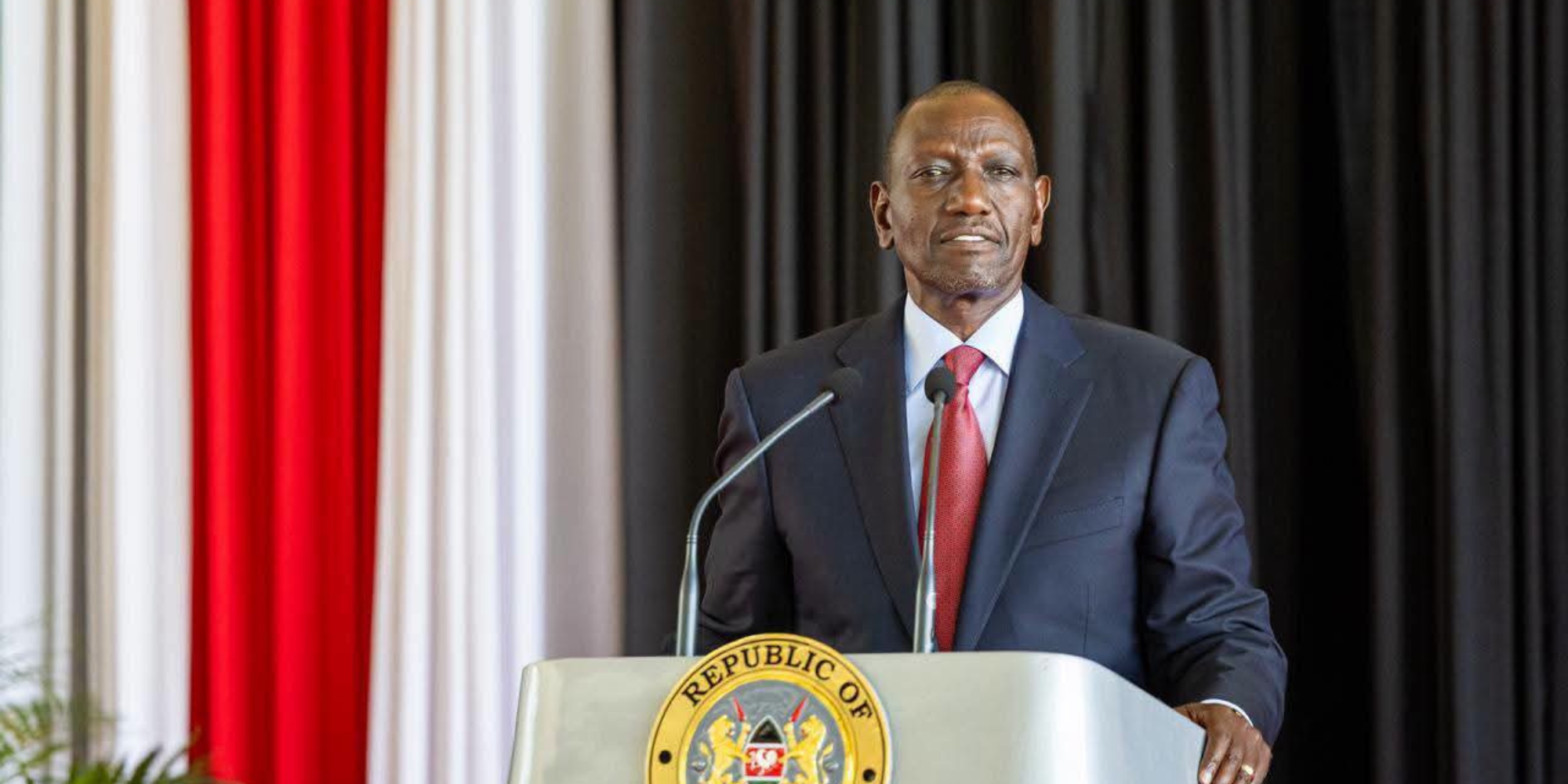
The High Court in Kenya has ruled the Cabinet formed by President William Ruto to be unconstitutional owing to the failure to adhere to the constitutional principle of gender inclusiveness in regard to gender.
This was a ruling made on June 30, 2026.
A bench made up of Justices Eric Ogola and Anthony Mrima Githinji gave a decision in which he stated that the appointment process done by President William Ruto violated the standards stipulated in the Articles 27(8) and 81(b) of the Constitution.
These articles dictate that any state institution should ensure that no body either appointive or elective should consist of not more than two-thirds of one gender.
However, the court judgment arose from petitions that challenged the constitutionality of the President’s Cabinet appointments and whether the composition of the executive arm fulfilled the constitutional requirements for equality, diversity, and inclusion.
In addition to this, it became clear from the court judgment that the Secretary to the Cabinet is not supposed to be counted among the members of the Cabinet with regard to constitutional requirements.
This is because the Secretary to the Cabinet, as stipulated by Article 154 of the Constitution, plays a different constitutional role.
Court Rejects Political Question Argument
In determining the petitions, the High Court stated that it has authority to examine presidential appointments and removals where constitutional compliance is questioned.
The judges rejected arguments that the matter was only political and outside the court’s jurisdiction.
Also Read:Ruto Secures Ksh162 Billion World Bank Loan Days After Meeting World Bank Chief
The court also found that President Ruto acted within his constitutional mandate when he restored Cabinet Secretaries after dissolving the Cabinet in July 2024.
However, the judges ruled that the legality of the process does not remove the obligation to comply with constitutional standards.
It had been argued by the petitioners that there had been failures for gender parity after the year 2022 even after deliberations in the earlier hearings.
There was a responsibility on part of the executive to ensure gender equality.
Questions relating to diversity at the national level, regional representation, and parliamentary approval of the nominees were also considered by the courts in this case.
Gender Balance Remains Constitutional Requirement
The two-thirds gender rule is anchored in Articles 27(8) and 81(b), which require the government to take measures that promote fair representation of both genders in public institutions.
Also Read:Maraga Issues 7 Tough Demands to Ruto and Police IG Kanja
High Court’s decision means the current Cabinet arrangement cannot continue in its existing form unless changes are made to bring it into compliance with constitutional requirements.
The judgment places fresh focus on how future executive appointments are structured.
Decision comes shortly after another major constitutional ruling involving gender representation.
A five-judge High Court bench recently overturned former Chief Justice David Maraga’s 2020 advisory that had called for Parliament’s dissolution over failure to implement the gender principle.
In that matter, the court found that constitutional procedures relating to the handling and communication of court orders had not been properly followed before the advisory was issued.
Follow our WhatsApp channel for instant news updates
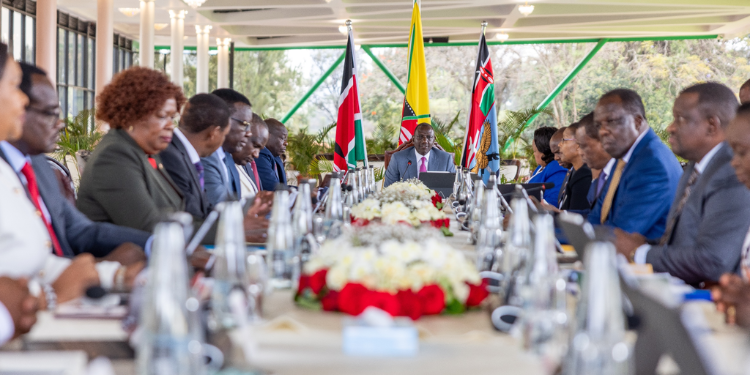
President William Ruto chairs a past Cabinet meeting at State House Nairobi on September 17, 2024. PHOTO/PCS