
Why You Cannot Take Photos Inside a Polling Booth in Kenya
Share
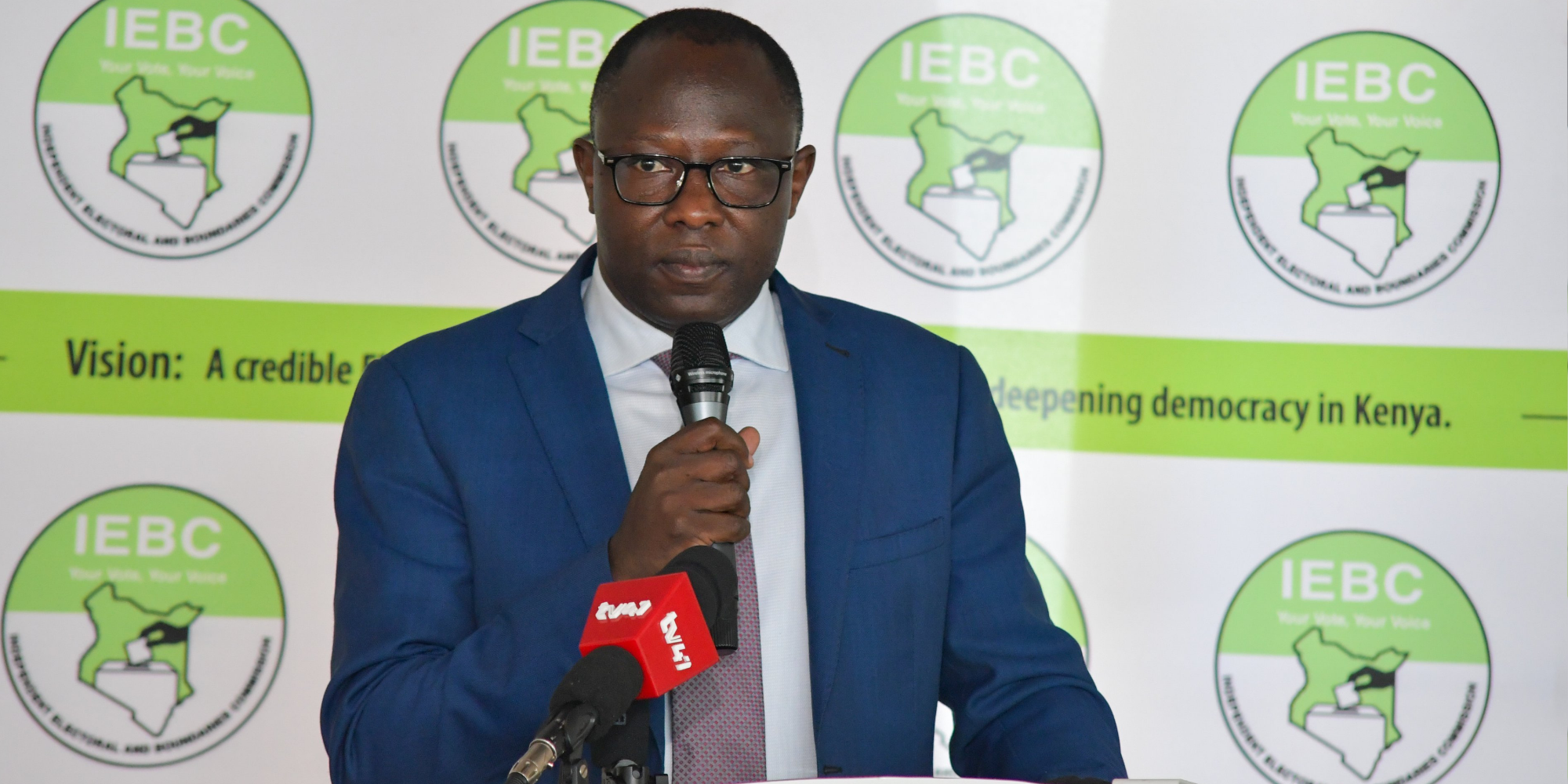
Your phone can capture almost anything on election day, but there is one picture you may want to think twice about taking. Why does IEBC draw the line at the polling booth?
IEBC has warned voters against taking photographs or recording videos inside polling booths, saying the restriction is meant to protect the secrecy and integrity of the vote.
At first, the rule might seem unusual. Phones have become part of everyday life, and taking a picture is often the quickest way to capture a moment. Election day, however, comes with rules meant to ensure that voters can make their choices privately and without pressure.
So why is IEBC so particular about what happens inside the polling booth, and what could a seemingly harmless picture mean for the voting process?
Also Read: IEBC Clarifies Academic Requirements for Kenyans Seeking Presidential, Gubernatorial and MP Seats
Why IEBC is against photos inside the polling booth
A picture of a marked ballot can turn a secret vote into something that can be shown to another person.
Consider a voter who has been offered money to support a particular candidate and is asked to provide proof. A photograph of the marked ballot could become that proof, creating a direct link between the voter’s choice and the person paying for it.
That is where vote-buying becomes a concern.
The same problem can arise when a voter is pressured to support a particular candidate by a political agent, employer, community leader, relative or another person. Being able to photograph a marked ballot gives someone a way to demand evidence that the voter followed their instructions.
Kenyan law takes the secrecy of the vote seriously. Section 7 of the Election Offences Act addresses the maintenance of secrecy during elections. Under Section 7(3)(e), a person attending election proceedings commits an offence if, without lawful excuse, they capture an image of a marked ballot for purposes of financial gain or showing allegiance.
A person convicted under the provision can face a fine of up to KSh1 million, imprisonment for up to three years, or both.
IEBC has also warned voters about photographing ballot papers and pointed to the same legal consequences.
Also Read: ICC Slapped With 5 Demands Ahead of Kenya’s 2027 Elections
So, what happens if you use your phone?
Having a phone at a polling station is not, by itself, an election offence. The concern is what the device is being used to capture and whether the conduct breaches election rules.
IEBC’s public guidance warns against taking photographs or recording videos inside the polling booth. Voters are expected to follow directions from election officials while casting their ballots and to avoid actions that could compromise the secrecy of the vote.
If a voter attempts to photograph a marked ballot, election officials can intervene. Where the conduct amounts to an offence, the matter can be referred for investigation and possible prosecution under the law.
Police officers are deployed at polling stations to provide security, but enforcement will depend on what has happened and the circumstances of each case.
That means it would be misleading to suggest that every voter seen holding a phone inside a polling station will automatically be arrested or have their phone confiscated. The offence and the circumstances surrounding it matter.
There is also a difference between photographing a marked ballot and documenting election results after counting. Once votes have been openly counted and results are recorded on the relevant forms, different rules apply to those documents.
Agents, observers and others should follow IEBC instructions on what may be photographed and when.
For voters, the safest approach is simple, once you step into the polling booth, keep the camera away and focus on casting your vote. A picture may last a second, but when it reveals how someone voted, it can raise questions far beyond what was intended.
Follow our WhatsApp channel for more update
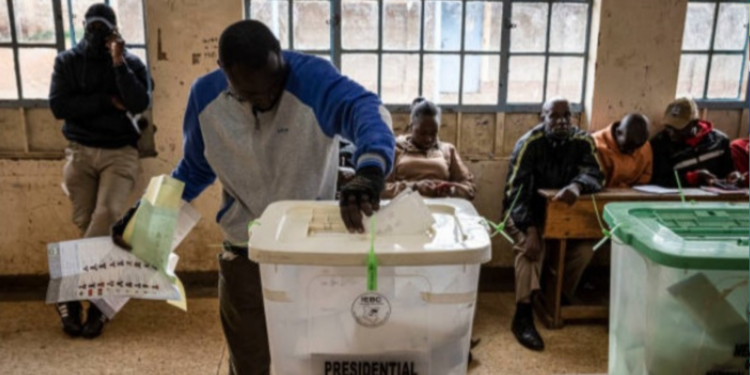
Kenyans voting during the 2022 General elections. PHOTO/IEBC