ICC Slapped With 5 Demands Ahead of Kenya’s 2027 Elections
Share
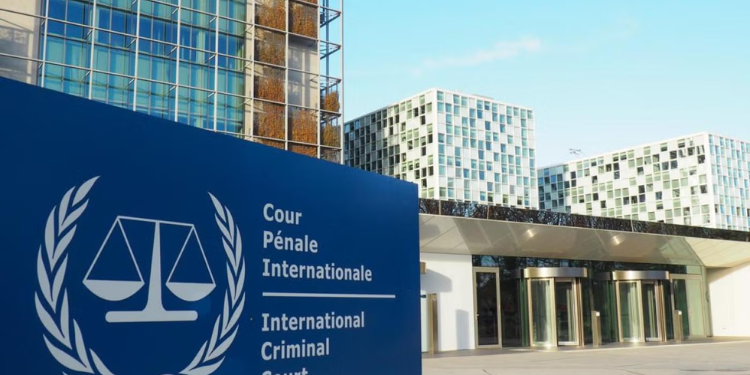
Human rights organisation VOCAL Africa has asked the International Criminal Court (ICC) to closely monitor Kenya ahead of the 2027 General Election, citing concerns over political violence, inflammatory remarks and alleged human rights violations.
In a letter dated August 19, the organisation made five requests to the ICC Prosecutor, including placing Kenya under close observation and preserving information on incidents that could potentially fall within the court’s jurisdiction.
VOCAL Africa described the appeal as an early warning, arguing that Kenya should not wait for political tensions to escalate before international attention is drawn to emerging risks.
“The warning signs now emerging must not be ignored until lives have been lost,” the organisation said.
Five Requests Put Before ICC
VOCAL Africa wants the ICC to retain its communication for continued assessment under Article 15 of the Rome Statute and closely follow developments in Kenya as the 2027 election approaches.
The organisation has also asked the court to receive, preserve and analyse credible information relating to acts that could potentially amount to crimes within its jurisdiction.
Particular attention should be given to individuals and networks allegedly involved in organising, financing, directing or protecting groups used to attack civilians, journalists, protesters, human rights defenders and political opponents, according to the appeal.
Political leaders, public officials and security commanders should also be reminded that individual criminal responsibility can arise where a person orders, facilitates, encourages or contributes to crimes falling within the ICC’s jurisdiction.
It further wants the ICC to maintain close observation of organised political violence, ethnic incitement, attacks against civilians and the conduct of State and non-State actors ahead of the election.
Also Read: “No One Is Above the Law,” NCIC Warns Leaders Over Hate Speech
Why VOCAL Africa Is Raising the Alarm
The organisation’s appeal comes against what it describes as a worsening political and security environment in Kenya.
VOCAL Africa pointed to the 2007–2008 post-election violence, warning that political intolerance, ethnic mobilisation, inflammatory remarks and organised violence can combine to produce widespread attacks when institutions fail to respond.
Recent incidents were also cited in the letter, including violence reported during political activities in Homa Bay on August 16 saying two people, including a police officer, were killed while several others were injured during the incident.
Mombasa and Nairobi were among other areas mentioned in connection with alleged attacks involving journalists, young people, human rights defenders and peaceful protesters.
The organisation questioned how groups involved in such incidents are allegedly organised and financed, as well as whether those behind them are being held accountable.
Inflammatory Remarks Add to Concerns
Political statements are another major concern raised in the appeal.
VOCAL Africa accused some political leaders of using language that insults, threatens or portrays political opponents and communities as enemies.
According to the organisation, such remarks become particularly dangerous when combined with organised groups, ethnic divisions and what it considers weak accountability.
“Kenya’s history demonstrates that inflammatory language, when combined with organised gangs, ethnic mobilisation, institutional weakness and impunity, can rapidly translate into attacks against civilians,” VOCAL Africa said.
Several politicians have recently faced scrutiny from State agencies and civil society organisations over alleged hate speech, incitement and inflammatory remarks.
VOCAL Africa criticised what it described as repeated warnings and investigations that have not always been followed by prosecutions or meaningful consequences.
Also Read: Why Many Kenyans Are Not Registering as Voters Ahead of 2027 Elections
State Institutions Also Face Scrutiny
Beyond political actors, VOCAL Africa questioned the effectiveness of institutions responsible for maintaining order, promoting national cohesion and protecting the electoral process.
The National Cohesion and Integration Commission (NCIC), Independent Electoral and Boundaries Commission (IEBC) and Ethics and Anti-Corruption Commission (EACC) were among the institutions mentioned.
VOCAL Africa accused the agencies of failing to respond effectively to political incitement, electoral malpractice, misuse of public resources and violence.
It also raised wider human rights concerns, including attacks on journalists and human rights defenders, invasions of places of worship, enforced disappearances, deaths in police custody and alleged extrajudicial killings.
Taken together, VOCAL Africa said these developments could create conditions for more serious violence as the country moves towards the next election.
Group Calls for Early International Monitoring
VOCAL Africa has also appealed to the United Nations, African Union, diplomatic missions and international human rights organisations to increase their monitoring of Kenya.
Long-term human rights and electoral monitors, it said, could help document emerging patterns, identify those responsible for abuses and deter further deterioration.
Waiting until the formal campaign period or the final weeks before the election could be too late, according to the organisation.
“Kenya must not be allowed to descend into large scale violence before the international community acts,” VOCAL Africa said.
Chief Executive Officer Hussein Khalid signed the letter, which was copied to several Kenyan and international institutions, including the United Nations, African Union, Kenya National Commission on Human Rights, NCIC and Independent Policing Oversight Authority.
The organisation said it remains ready to provide the ICC with verified documentation, incident reports and further information, subject to confidentiality and witness protection arrangements.
Follow our WhatsApp channel for more updates
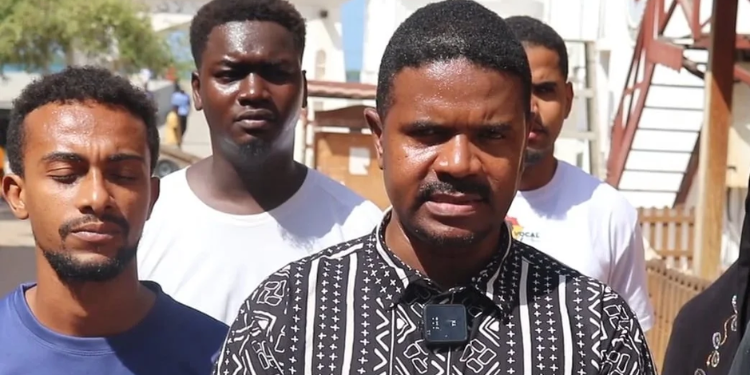
Vocal Africa Chief Executive Hussen Khalid together with other activists in Lamu. PHOTO/Courtesy