Govt Sets New Rules for Kenyans Sending Parcels via Uber, Bolt and Glovo
Share
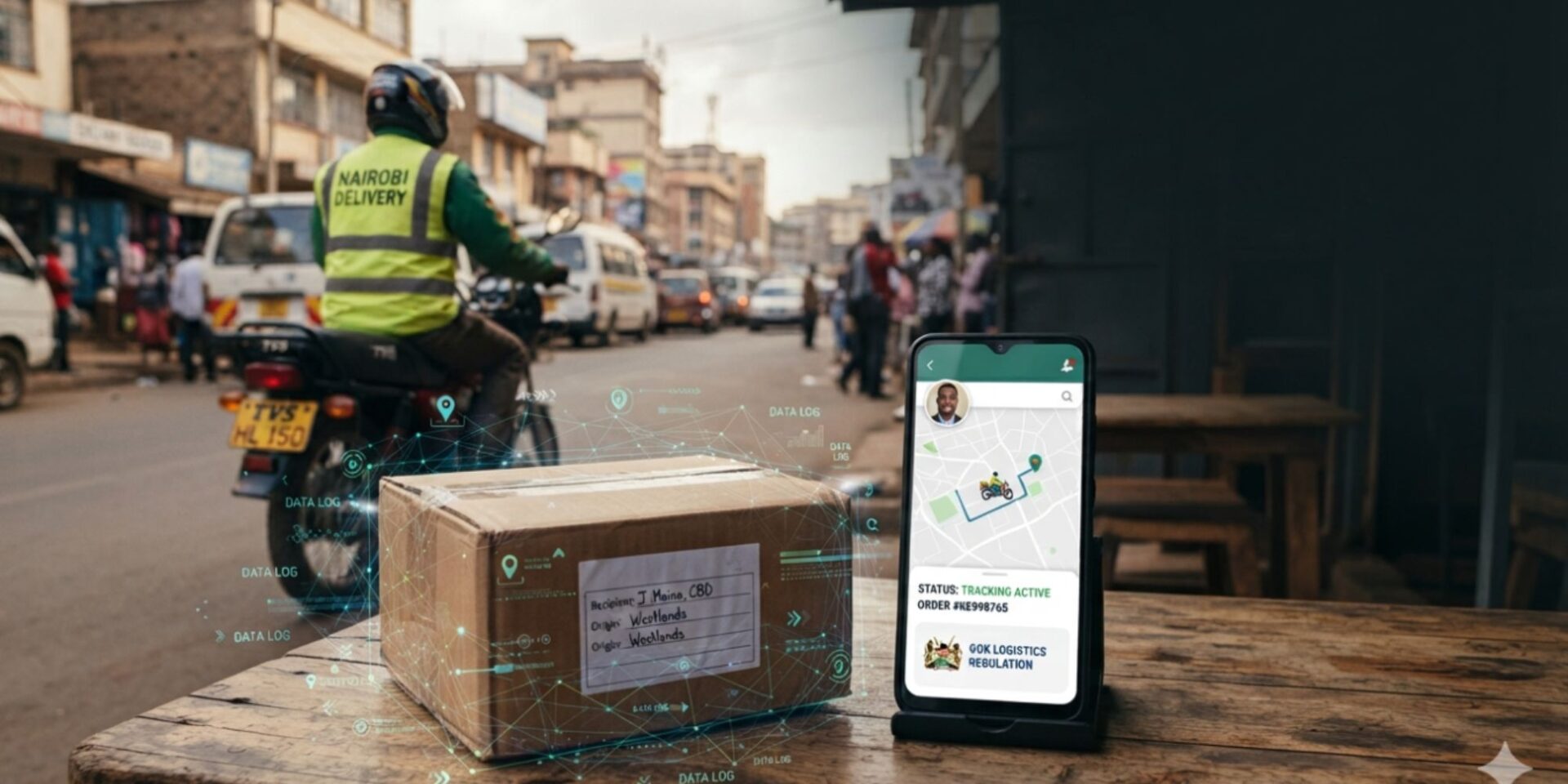
Kenyans using Uber, Bolt, Glovo and Little to send parcels will soon have to provide more information about what they are sending and who it is going to, under new rules that give government agencies access to delivery records.
From September 20, 2026, the platforms will have to comply with new licensing conditions issued by the Communications Authority of Kenya (CA), bringing app-based parcel deliveries under tighter regulatory oversight.
Customers will be required to declare parcel contents before they are accepted for delivery, while platforms must put systems in place to capture and verify sender and recipient details.
Records of parcels handled must also be maintained and made available to the CA or any competent government agency upon request.
For millions of Kenyans who have embraced app-based deliveries for everything from online shopping to personal errands, the changes introduce a new question: how much information will now be collected every time a parcel changes hands?
CA says the measures are intended to strengthen oversight of the courier sector and help stop prohibited goods, including drugs and firearms, from moving through delivery networks.
What the new parcel rules mean for users
Under the new conditions, delivery platforms will no longer simply connect a customer to a rider and facilitate the movement of a package. They will have to maintain records covering the parcel and the people involved in sending and receiving it.
Senders will be expected to declare what is inside their packages, while courier agents will have mechanisms to verify those declarations.
Platforms must also keep electronic records of the postal articles they handle and provide the information to the regulator or another competent government agency when requested.
Also Read: Communications Authority Introduces New Customer Registration Rules for Cyber Cafés
That requirement puts delivery records within reach of agencies beyond the platforms themselves.
KRA and police have been specifically cited among agencies that can request the information, raising questions about how such data will be accessed and used.
Physical inspection, however, should not become a routine part of every delivery. Riders and courier agents should verify the contents without opening parcels.
They may open a package if they suspect it contains prohibited goods or if an authorised revenue official, including KRA, directs them to do so.
Why CA is tightening control of digital deliveries
Growth in online commerce has changed how Kenyans move goods. Small businesses and social-commerce sellers increasingly depend on delivery apps to get products from their homes, shops and warehouses to customers across towns.
Uber, Bolt and Little have expanded beyond ride-hailing into parcel delivery, while Glovo has established itself as a major player in the on-demand delivery market.
CA has responded by creating a specific Courier Hailing Service Provider licence for platforms that connect customers with licensed courier operators through digital systems.
Also Read: Communication Authority Introduces New Rules for Phone and Laptop Sellers
The new licence category forms part of a broader restructuring of Kenya’s postal and courier market.
Security is a key justification for the tighter controls. Existing courier regulations already require senders to declare parcel contents and oblige operators to take steps against postal crimes, including the movement of illicit drugs and firearms.
New digital rules now bring those obligations into the app-based delivery space.
For users, however, the bigger change may be the trail left behind. A parcel sent through an app will now generate records linking its contents to a sender, recipient and delivery transaction information that government agencies can seek when required.
Follow our WhatsApp channel for more updates

The Director General and Chief Executive Officer of the Communication Authority of Kenya David Mugonyi. PHOTO/ CA X.