Is Ruto’s Biggest 2027 Advantage a Divided Opposition? Analysts Weigh In
Share
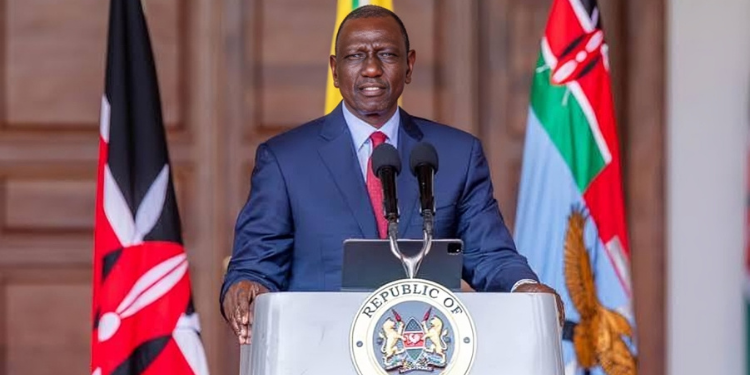
President William Ruto leads individual presidential contenders as opposition leaders negotiate a possible united front ahead of the 2027 General Election.
A recent TIFA survey placed Ruto at 24%, followed by Nairobi Senator Edwin Sifuna at 15%, former Interior Cabinet Secretary Fred Matiang’i at 14%, Wiper leader Kalonzo Musyoka at 13% and former Deputy President Rigathi Gachagua at 7%.
Taken together, Sifuna, Matiang’i, Kalonzo and Gachagua command 49%, more than twice Ruto’s individual rating.
However, the combined figure does not automatically translate into a single opposition vote because the four politicians have yet to agree on a common presidential candidate.
Meanwhile, opposition principals continue to negotiate how they can coordinate their campaigns. The choice of a presidential candidate remains one of the central issues in those discussions.
Ruto Could Benefit From Opposition Leadership Rift
Speaking to Hivileo, Dismas Mokua, a Scholar -Practitioner in Political Risk, Presidential Politics and Strategic Narrative Mokua and Political Analyst Maimuna Mwidau shared their views on the opposition’s unity challenges, its support among voters and the political developments that could shape the 2027 race.
Mokua argued that competing ambitions could make it difficult for the opposition principals to settle on one presidential candidate.
“The opposition will have challenges to agree on a single presidential candidate because of the raison d’etre of each candidature. Impeached deputy president Rigathi Gachagua is running to settle personal scores, Dr Fred Matiangi is running as a comeback while Dr Stephen Kalonzo Musyoka has 2027 as his best chance given hid prior sacrifices. The probability does exist that united opposition principals will not agree on a candidate selection criteria,” he said.
Even with those competing interests, Mokua identified a possible Kalonzo Musyoka-Eugene Wamalwa ticket that could receive Gachagua’s backing.
“Mr Gachagua who is the de facto opposition leader is like to support a Kalonzo – Wamalwa ticket,” he added.
Mwidau, for her part, described the negotiations as part of the normal power struggles that emerge when political leaders seek to accommodate one another.
Rather than rushing to select one leader, she said the opposition could first build a team capable of accommodating the interests of its leading figures.
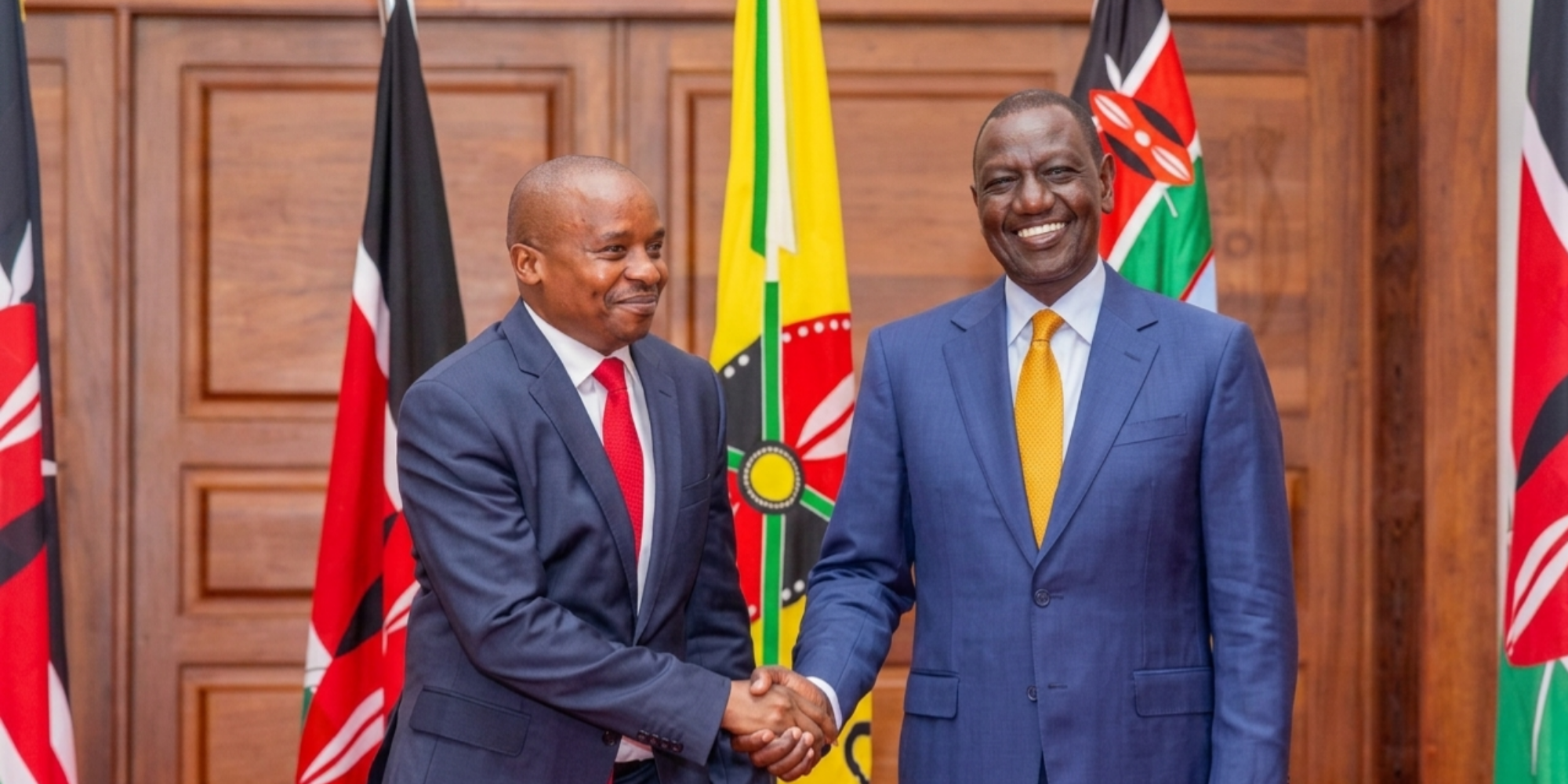
A photo of Deputy President Kithure Kindiki and President William Ruto at statehouse. PHOTO/PCS
Opposition Numbers Show Potential Strength
The latest survey gives the opposition a sizeable numerical base if its leading contenders eventually coordinate their campaigns.
Even so, Mwidau said the figures point to a potential challenge rather than a guaranteed victory. She noted that political developments could still shift voter support before 2027.
“Based on the latest polls…A united opposition has a right out win against the incumbent President. However, there still time and the ground can shift in favour of the President if some of the opposition leaders find favour in the broader based Govt,” she said
She further argued that Ruto could alter the political calculations by attracting some opposition leaders into the broader-based government.
“That is what the incumbent needs to work on and disrupt the opposition to find numbers to his favour,” she added.
Beyond the polling figures, Mokua urged opposition leaders to develop a clear policy platform and communication strategy instead of relying on slogans.
He warned that a weak campaign message could expose the principals to reputational and credibility risks.
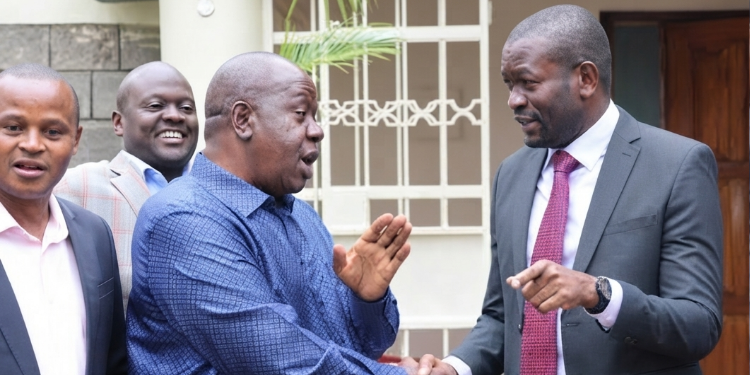
A photo of Jubilee Party Leader and Presidential candidate Fred Matiangi after a meeting with the Linda Mwananchi team, led by the Nairobi Senator, Edwin Sifuna, in Karen, ahead of the team’s trip to Western Kenya. PHOTO/ Pool
Political Alignments To Shape 2027 Race
As the election draws closer, emerging alliances could prove more important than the current polling standings.
Mwidau highlighted the emergence of a party expected to carry Sifuna’s political team into the 2027 contest.
Also Read: Can Ruto Win in 2027 With Edwin Sifuna as His Running Mate? Analysts Weigh In
She also identified Western Kenya as a region to watch if one of its leading politicians becomes the opposition flag bearer.
“Kenyans should watch how alignments will be shaping up with the entry of a party that will carry the Sifuna team towards 2027 and how regions such as Western will behave once their Son becomes the flag bearer,” she said.
At the same time, Mwidau warned that political partnerships could change rapidly as leaders reassess their interests closer to the election.
“Kenyans should also not lose focus on how coalitions of the worst enemies can be easily forged in the last hours towards 2027. It all boils down to interests and not what Kenyans expect for their future,” she added.
Those possible shifts mean the current political alignment may not reflect the final shape of the 2027 contest.
Ruto Strategy Could Shift 2027 Race
Mokua identified Ruto’s political communication strategy as another factor that could influence the race.
“The game changer will be President Ruto crafting and executing a political economy storytelling infrastructure. President Ruto’s administration is facing challenges positioning and highlighting the broad-based administration success anchored in a strategic narrative,” he said.
Follow our WhatsApp channel for instant news updates
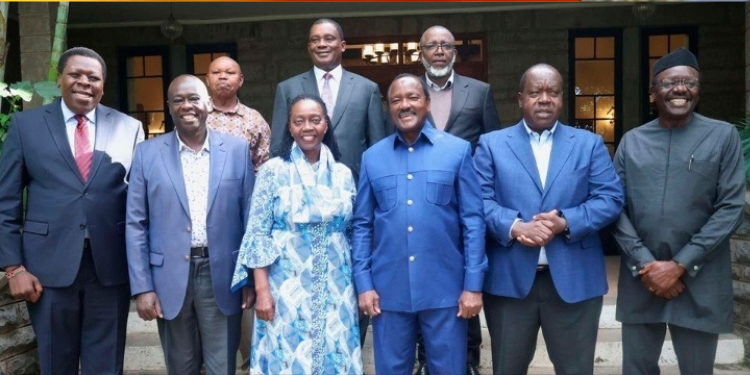
A photo of Opposition leaders Eugene Wamalwa, Rigathi Gachagua, Martha Karua, Kalonzo Musyoka, Fred Matiang’i, Mukhisa Kituyi, Justin Muturi and Mithika Linturi in Nairobi on April 29, 2025. PHOTO/ Pool