Drum of War: Ethnic Profiling, Political Hostility and Kenya’s Dangerous Road to 2027 General Election
Share
By Dr. Luchetu Likaka
We are once again entering a politically sensitive and defining moment in its democratic journey. As the country gradually moves toward the 2027 General Election, public political discourse is increasingly characterized by hostility, accusations, counteraccusations, political grandstanding, and worrying undertones of ethnic profiling and identity-based mobilization.
Exchanges between sections of government and opposition leaders are becoming sharper, more personalized, and increasingly framed through communal and ethnic lenses rather than substantive policy engagement.
Political disagreement is not a threat to democracy; indeed, disagreement forms the lifeblood of democratic governance.
Opposition exists to question government decisions, demand accountability, and provide alternative visions for national development.
Government exists to govern inclusively, strengthen institutions, and guarantee equal protection and opportunity for all citizens regardless of ethnicity, region, religion, or political affiliation.
However, when political competition increasingly borrows the language of exclusion, collective victimhood, ethnic suspicion, and communal mobilization, nations must pause and reflect.
Painful Reminders of Ethnic Politics in Kenya
Kenya has walked this difficult road before. The country’s political history offers painful reminders regarding the dangers of inflammatory rhetoric and ethnic political mobilization.
Political tensions surrounding the multiparty transitions of the 1990s demonstrated how ethnic narratives could be weaponized for political advantage, contributing to violence, displacement, and social fragmentation in different parts of the country.
More painfully, the aftermath of the 2007 General Election remains one of the darkest moments in Kenya’s democratic history.
Following disputed electoral outcomes, the country descended into violence that claimed more than one thousand lives and displaced hundreds of thousands of citizens. Businesses collapsed. Communities fractured. Families fled homes they had occupied for generations.
Economic activity slowed significantly. Neighbours who had lived peacefully together suddenly viewed each other through political and ethnic identities. Trust deteriorated. Development stalled. The nation paid heavily for institutional weaknesses, inflammatory political rhetoric, and the failure to contain identity-driven political mobilization.
History teaches an uncomfortable but necessary lesson: societies rarely collapse suddenly. Democratic erosion begins gradually. Dangerous language becomes normalized. Political hostility becomes entertainment. Citizens begin viewing each other through tribal and partisan identities rather than shared citizenship. Political leaders frame democratic competition as existential warfare rather than peaceful constitutional contestation.
Slowly, fear replaces confidence. Public trust weakens. Institutions become contested spaces rather than trusted guardians of democracy.
Also Read: Femicide and Child Kidnappings: We Must Treat This Crisis as a National Disaster
Concerns Ahead of the 2027 General Election
Recent political developments raise legitimate concerns. Increasingly, sections of political actors appear tempted to frame governance failures, criticism, accountability demands, or political competition through ethnic narratives.
Equally concerning are tendencies to portray challenges affecting citizens primarily through ethnic exclusion frameworks, thereby reinforcing perceptions of communal marginalization and deepening identity consciousness.
Political frustrations may indeed exist. Citizens have every constitutional right to criticize leadership, protest peacefully, question policy decisions, and demand accountability. Democratic governance thrives when leaders are held accountable. However, accountability discourse becomes dangerous when framed primarily through ethnicity rather than institutional performance, evidence, and policy outcomes.
We cannot afford a return to the politics of ethnic arithmetic.
The country faces pressing national challenges requiring collective focus and sober leadership. Millions of young people continue struggling with unemployment and limited economic opportunities.
Rising costs of living continue to strain ordinary households. Concerns regarding public debt and fiscal sustainability dominate national conversations.
Healthcare disparities remain significant. Educational financing pressures continue to affect families. Crime and insecurity persist in some regions.
Climate variability increasingly threatens livelihoods, particularly among vulnerable communities dependent on agriculture.
These are the conversations that should dominate political spaces. Citizens deserve policy alternatives. Citizens deserve practical solutions.
Citizens deserve evidence-based debate. Political competition should focus on how leaders intend to strengthen healthcare systems, create employment opportunities, improve education outcomes, reduce corruption, strengthen economic resilience, and improve service delivery does not deepen ethnic divisions.

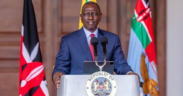
President William Ruto speaking at Sagana State Lodge in Nyeri County on January 17, 2026. PHOTO/ PCS.
Social Media Mobilization
Another emerging concern lies within digital political mobilization. Social media has transformed political engagement in Kenya.
While technology has expanded democratic participation and civic engagement, it has equally amplified misinformation, ethnic stereotyping, hate speech, disinformation campaigns, and inflammatory political messaging.
Political hostility that previously remained confined to political rallies increasingly spreads instantly across digital platforms, where emotions often travel faster than facts.
Young people, who constitute a significant demographic and electoral force, increasingly consume political information within highly polarized online environments.
Without responsible leadership and digital accountability, online hostility risks normalizing intolerance and deepening societal polarization.
What Politicians Must Do
Political leaders, therefore, carry enormous responsibility.
Government leaders must exercise restraint and resist dismissing criticism through ethnic interpretations or portraying dissenting voices as enemies of the state. Democratic governance demands tolerance for criticism, constitutional fidelity, institutional openness, and inclusion.
Equally, opposition leaders must avoid mobilizing support through narratives that deepen ethnic consciousness, reinforce communal victimhood, or transform democratic competition into communal confrontation. Democracies mature when politics becomes issue-driven rather than identity-driven.
Also Read: OPINION: Why Kenya’s Elections Keep Passing the Test Abroad but Failing Citizens at Home
Role of Institutions and Civil Society Organizations
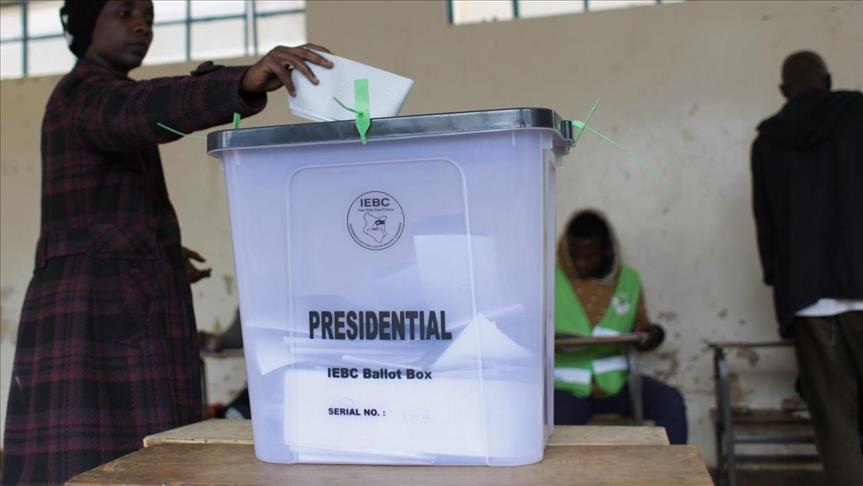
Our institutions equally carry immense responsibility as the country approaches 2027. Electoral institutions must strengthen public confidence through transparency, preparedness, professionalism, and institutional credibility.
Security agencies must remain impartial, constitutional, and professional. Independent oversight institutions must operate without political interference.
The judiciary must continue safeguarding constitutional order. Media institutions must prioritize responsible journalism and avoid becoming amplifiers of incitement, misinformation, or ethnic sensationalism.
Civil society organizations, scholars, faith leaders, professional bodies, and community leaders equally carry responsibility.
National cohesion cannot be preserved solely through constitutional provisions. It requires civic responsibility, moral courage, and deliberate rejection of divisive narratives. As we approach the 2027 General Election, political maturity must prevail over emotional mobilization.
Elections must never resemble battlefronts where communities prepare for confrontation and survival.
Elections are democratic processes through which citizens peacefully determine national leadership and developmental direction. Citizens should approach elections with hope, not fear.
The government carries the responsibility to guarantee a free, fair, transparent, peaceful, and credible election. Opposition actors equally carry the responsibility to pursue democratic contestation constitutionally and responsibly.
Electoral outcomes must emerge from trusted institutions rather than political hostility and communal suspicion.
Kenya’s diversity remains one of its greatest strengths.
Let Us Not Ignore the Red Flags
Communities trade together. Learn together. Build businesses together. Intermarry. Share struggles. Pursue common aspirations. Politics should strengthen these bonds, not weaken them.
The warning signs emerging today must not be ignored. The drums currently echoing across Kenya’s political environment must not become drums of division, hostility, ethnic confrontation, and instability. They must become drums of democratic maturity.
History has already taught Kenya the cost of political recklessness.
The responsibility now lies with leaders, institutions, and citizens alike to ensure that 2027 becomes not a test of national survival but a demonstration of democratic resilience, institutional strength, constitutional order, and political sobriety.
We must choose dialogue over hostility. We must choose nationhood over division. We must choose wisdom before history repeats itself.
Follow our WhatsApp channel for instant news updates

DCP Party leader Rigathi Gachagua speaking during a campaign at Likoni in Mombasa County on April 24, 2026. PHOTO/ Gachagua X.