

Femicide and Child Kidnappings: We Must Treat This Crisis as a National Disaster
Share


By Dr. Luchetu Likaka
Kenya is confronting a deeply disturbing and dangerous trend that threatens the very foundation of social order and national security.
The rising cases of femicide and child kidnappings are no longer isolated criminal incidents to be discussed briefly before public attention shifts elsewhere.
They represent an escalating national crisis demanding immediate, coordinated, and extraordinary intervention.
Every woman killed because of gender-based violence and every child abducted from the safety of home, school, or community signals a profound societal failure.
A country where women increasingly fear for their safety and where children become vulnerable targets cannot claim to be secure.
Femicide Statistics Show Worrying Trend
The growing statistics paint a painful picture.
Kenya has experienced a worrying increase in femicide cases in recent years, with reports indicating over 170 women killed in 2024 alone, while additional reports from early 2025 continue to reveal alarming trends.
These figures represent mothers, daughters, wives, sisters, students, and professionals whose lives were violently cut short.
Equally troubling are increasing concerns surrounding missing children, child kidnappings, trafficking networks, and exploitation risks affecting minors across the country.
While accurate national databases on child kidnappings remain fragmented, emerging cases reveal a dangerous pattern that demands urgent attention before it evolves into a larger national catastrophe.
The rise in these crimes does not occur in isolation. Multiple social, economic, cultural, and institutional factors converge to create conditions that enable violence to thrive. One of the major drivers is the normalization of violence within homes and communities.
Too often, warning signs such as threats, repeated domestic violence, coercive control, stalking, and abuse are ignored or dismissed as private family matters. Society frequently intervenes after tragedy strikes rather than before lives are lost.
Also Read: Inside Cases Of Women And Children Being Found Dead In Kenya
Economic Distress and Social Pressures
Economic distress and social pressures further compound the problem. Financial hardships, unemployment, substance abuse, unresolved trauma, family instability, and prolonged stress can contribute to environments where violence escalates.
While economic challenges alone do not create offenders, social strain combined with weak coping mechanisms and harmful behavioral patterns can increase risks of violent outcomes. Families under pressure without adequate support systems become vulnerable spaces where conflict may evolve into tragedy.
Another critical concern lies in the weakening social fabric within communities. Neighbourhoods once operated through collective responsibility, where neighbours knew one another, monitored children’s safety, and intervened when danger emerged.
Urbanization, social fragmentation, and declining community vigilance have eroded these protective social structures.
Predators thrive where communities become disconnected, where suspicious behaviour goes unnoticed, and where individuals increasingly isolate themselves from communal responsibility.
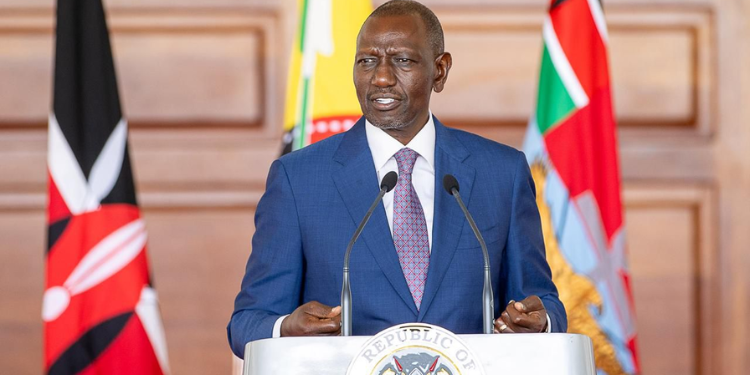
President William Ruto speaking at a past function in State House Nairobi. PHOTO/PCS
Harmful Gender Norms
Patriarchal attitudes and harmful gender norms also continue to fuel violence against women.
Cultural beliefs that normalize control, dominance, entitlement, or violence within relationships create dangerous environments that can culminate in femicide.
Many perpetrators are not strangers. They are intimate partners, family members, acquaintances, or individuals known and trusted by victims.
This reality demands deeper societal reflection about masculinity, conflict resolution, respect, and the values being transmitted across generations.
Institutional Weaknesses
Institutional weaknesses further worsen the crisis.
Delayed investigations, inadequate victim protection systems, weak coordination between agencies, slow judicial processes, insufficient child protection mechanisms, and inconsistent enforcement of existing laws undermine public safety.
Every ignored distress call, every delayed police response, every mishandled investigation, and every institutional failure creates space for offenders to operate with increasing boldness. Justice delayed often becomes violence enabled.
Also Read: Who is Killing Our Women? 10 Recent Femicide Cases Expose the Crisis
Declare Femicide and Child Kidnappings a National Disaster
The gravity of this situation requires Kenya to treat femicide and child kidnappings as a national disaster demanding an emergency response framework.
National disasters are not limited to floods, droughts, or disease outbreaks. Systematic violence that threatens the safety and wellbeing of women and children constitutes a social disaster requiring the same urgency, coordination, and mobilization of national resources.
A Rapid National Response Initiative should immediately be established, bringing together security agencies, county governments, schools, child protection institutions, civil society organizations, faith-based actors, mental health professionals, and communities.
Such an initiative should prioritize strengthening early warning systems, improving intelligence gathering, expanding child protection mechanisms, fast-tracking investigations and prosecutions, increasing safe spaces for survivors, enhancing community policing, and deploying targeted awareness campaigns aimed at violence prevention.
Role of Security Agencies
Security agencies must equally be held accountable. Their responsibility extends beyond responding to crime scenes after violence has occurred.
Prevention must become central to policing approaches. Intelligence-led policing, faster emergency response systems, stronger forensic capabilities, better monitoring of repeat offenders, and closer collaboration with communities are necessary components of a meaningful solution.
Accountability mechanisms should ensure negligence carries consequences where failures directly contribute to preventable loss of life.

Inspector General of Police Douglas Kanja. PHOTO/NPS.
Political Leaders and Communities
Political leaders must also rise beyond statements of concern issued after national outrage emerges. Leadership is measured by action, resource allocation, policy commitment, and sustained attention to public safety threats.
National and county leadership must prioritize investments in social protection systems, mental health support, youth empowerment initiatives, victim support services, and community safety infrastructure.
Communities and neighbourhoods cannot remain passive observers. Collective vigilance remains one of society’s strongest protection mechanisms.
Parents must know where their children are. Neighbours must pay attention to unusual activities.
Families must take threats and domestic violence reports seriously. Religious institutions, schools, local leaders, and community organizations must actively strengthen protective social networks rather than assuming safety is solely the responsibility of security agencies.
Individual citizens equally bear responsibility. Societies change when individuals reject silence and normalize intervention. Men must challenge violence among men.
Families must teach boys and girls respect, emotional regulation, and peaceful conflict resolution from early childhood.
Victim-blaming attitudes that shield offenders while scrutinizing victims must be rejected completely.
We stand at a dangerous crossroads. If decisive action is delayed, society risks normalizing funerals, disappearances, and preventable suffering as ordinary realities of life. That path would represent collective failure. Women should not have to negotiate safety as a privilege.
Children should not disappear into fear. The rising tide of femicide and child kidnappings demands urgent national attention, rapid response interventions, institutional accountability, and societal awakening.
The country must act decisively now before today’s warning signs become tomorrow’s irreversible national tragedy.
Follow our WhatsApp channel for instant news updates
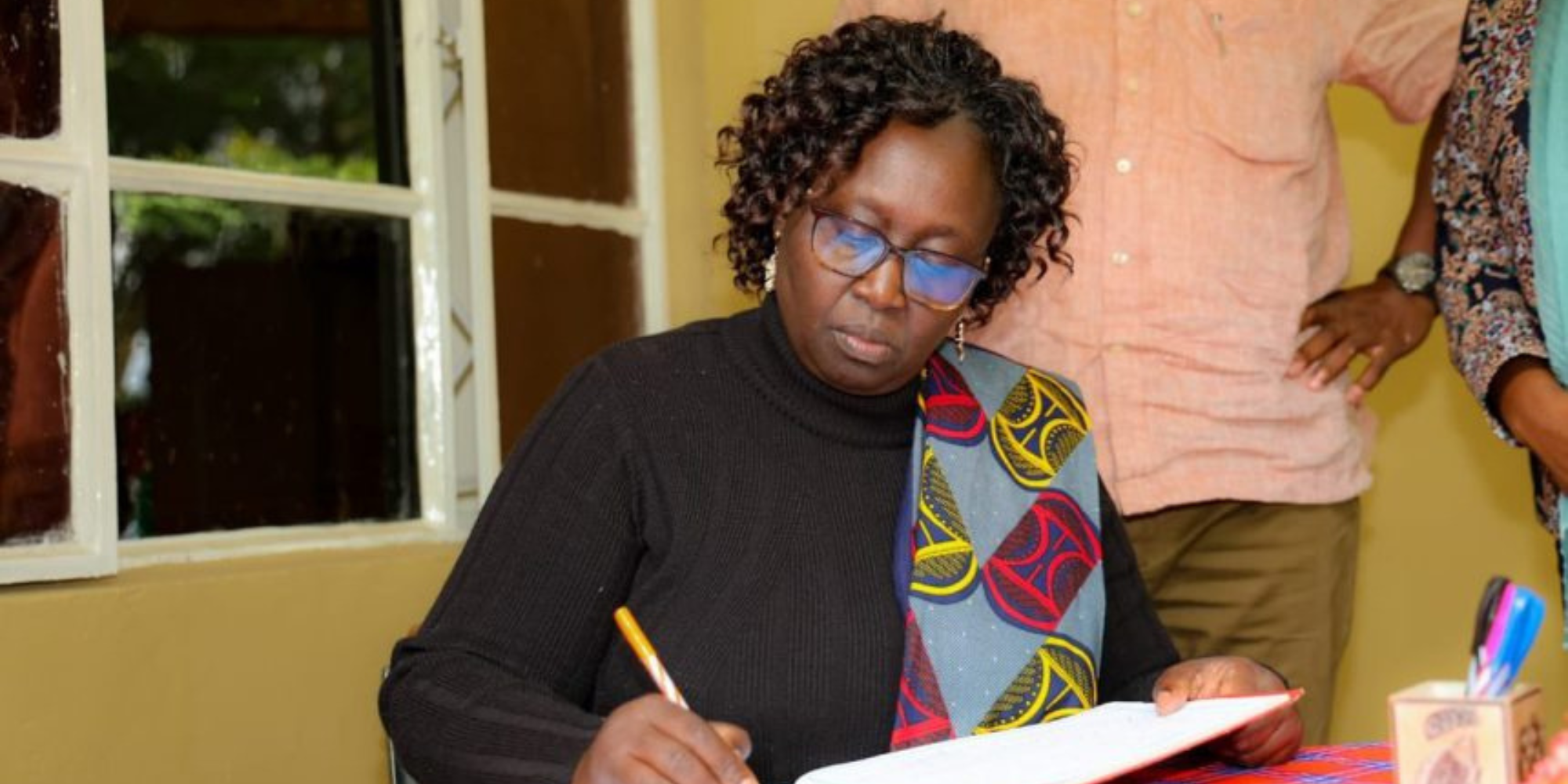
Hanna Cheptumo, CS Gender, Culture, and Children Services. PHOTO/Capital