
Heavy Bleeding After Childbirth: Warning Signs You Should Never Ignore
Share

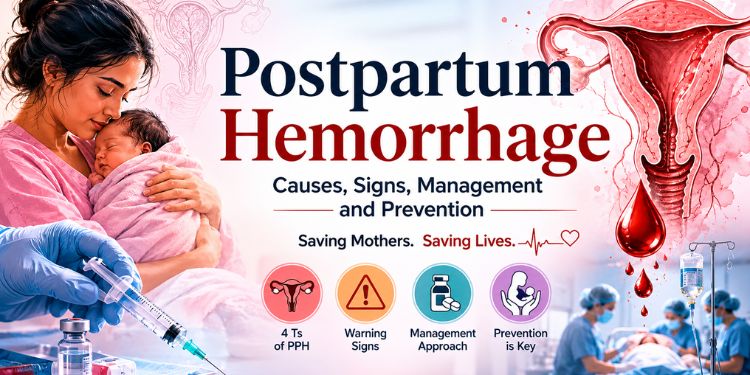
How much bleeding after childbirth is too much, and how can you tell when it has become an emergency?
Childbirth may be over, but for some mothers, a dangerous emergency can begin in the minutes, hours, or even weeks that follow.
Heavy bleeding after delivery should never be dismissed as part of the normal recovery process because postpartum hemorrhage can cause severe blood loss and become life-threatening within a short time.
Postpartum hemorrhage (PPH) refers to excessive bleeding after childbirth. While it commonly occurs within the first 24 hours, it can also develop later, up to 12 weeks after delivery.
Prompt recognition and treatment can prevent serious complications.
How to tell when bleeding is dangerous
Some bleeding is expected after childbirth as the body sheds blood and tissue from the uterus.
The concern begins when bleeding becomes unusually heavy, persistent, or is accompanied by physical changes that suggest significant blood loss.
A mother may experience dizziness, light-headedness, fainting, weakness, or a racing heartbeat. Pale or clammy skin, cold hands and feet, shortness of breath, and passing unusually large blood clots can also signal a problem.
According to Cleveland Clinic, persistent heavy vaginal bleeding, large clots, dizziness, fainting, increased heart rate, and pale or clammy skin are among the warning signs of PPH.
Also Read: 10 Common Signs of Iron Deficiency Women Should Never Ignore
For someone who has recently given birth, a sudden change in how she feels can therefore be just as important as the amount of blood being seen.
Seek emergency medical care immediately if heavy bleeding is accompanied by dizziness, faintness, weakness, difficulty breathing, or a rapid heartbeat.
If symptoms develop after leaving a maternity facility, contact a healthcare provider immediately or go to the nearest emergency department if help cannot be reached.
Why excessive bleeding happens
PPH can have several causes. One of the most common is uterine atony, where the uterus does not contract strongly enough after delivery to compress the blood vessels left open after the placenta separates.
Cleveland Clinic says this accounts for up to 80 per cent of postpartum hemorrhage cases.
Bleeding can also result from damage to the vagina, cervix, uterus or perineum during delivery.
In other cases, part of the placenta may remain inside the uterus, while blood-clotting disorders can make it difficult for the body to stop bleeding normally.
Also Read: Why Mental Health Challenges Are Increasing Among Gen Z
Health professionals commonly group these causes into the “four Ts”: Tone, Trauma, Tissue and Thrombin.
Certain circumstances can increase the risk, including prolonged labor, a uterus stretched by twins or triplets, a large baby or excess amniotic fluid.
Previous heavy bleeding, some placental conditions, Caesarean delivery and certain bleeding or clotting disorders may also raise the risk; however, PPH can affect anyone after childbirth, with a significant proportion of cases occurring without identifiable risk factors.
That is why awareness should not stop with mothers who have been told they are at high risk, as PPH can also occur in women with no known risk factors.
When to seek help
The safest response to suspected postpartum hemorrhage is not to wait and see whether the bleeding settles.
A mother who is bleeding heavily, passing large clots or suddenly feels faint, extremely weak, breathless or unusually unwell needs urgent medical attention.
Severe blood loss can cause blood pressure to fall and reduce the supply of blood to vital organs, potentially leading to shock and, in severe cases, organ failure or death.
Family members and caregivers also have a role to play. A woman who has just given birth may be exhausted or focused on her newborn and may not immediately recognize how serious her symptoms are.
Also Read: Endometriosis: What Every Woman Needs to Know About the Condition
Watching for unusual bleeding and changes in her condition can make the difference between getting help early and facing a much more serious emergency.
Heavy bleeding after childbirth is not something to monitor at home.
Recognising PPH is not only a mother’s responsibility. Partners, relatives and caregivers can also notice changes and help get emergency care quickly. Knowing what is normal, recognizing what is not and acting without delay can save a life.
Follow our WhatsApp channel for more updates
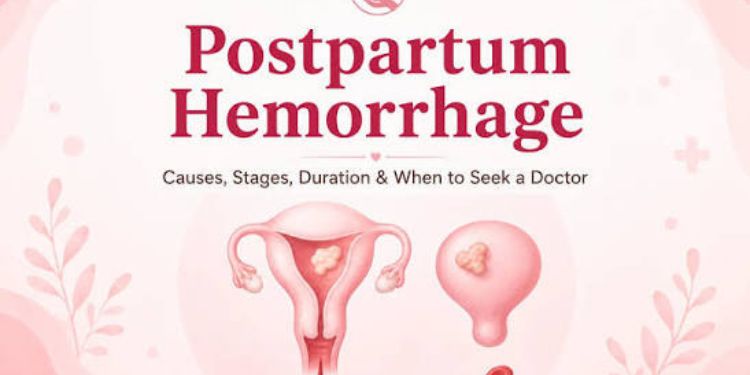
Postpartum Hemorrhage: Causes, Signs, Duration, and when to seek a doctor. PHOTO/ Dr Nehal Dhaduk