The Return from Oromia: Humanitarian Duty, Yes — But Kenya Must Answer the Hard Questions
Share
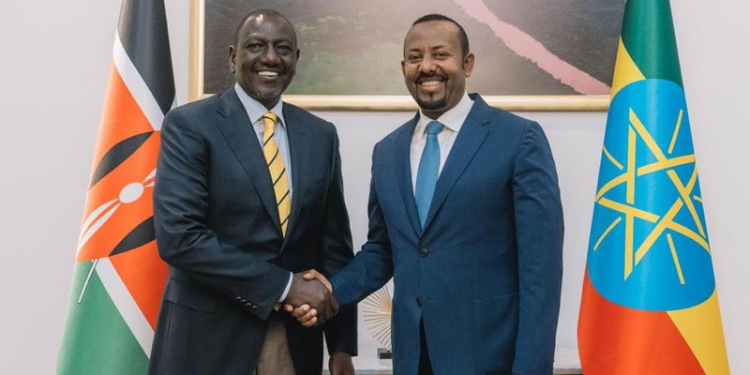
Written by Luchetu Likaka, a Migration and Governance Consultant
The planned return of Kenyan refugees from Dillo and Megado in Ethiopia’s Oromia Region should ordinarily be welcome news.
Kenyan citizens who fled violence and have spent roughly two decades outside their country have every right to return home voluntarily, safely and with dignity.
But the sudden visibility and momentum around this exercise raise legitimate questions that the Government, the Department of Refugee Services (DRS), UNHCR and other agencies involved should answer publicly, particularly because Kenya is approaching another electoral cycle.
On 28 September 2026, Ethiopia’s Refugees and Returnees Service reported that a Kenyan multi-agency delegation led by DRS Commissioner Mercy Mwasaro, accompanied by Kenya’s Ambassador to Ethiopia and representatives of UNHCR, had discussed preparations for the voluntary repatriation of Kenyan refugees living in Dillo and Megado.
The Ethiopian agency said the discussions were informed by refugee interest and an intention survey, with a joint field visit planned to engage the communities directly.
That immediately raises the first question: why now? These Kenyans did not arrive in Ethiopia yesterday. Official evidence presented to the Kenyan Senate in April 2025 traced their displacement largely to inter-ethnic conflict in Marsabit and indicated that they had been living in the Borena Zone since around 2005/2006.
UNHCR records similarly show a long-established Kenyan Borena refugee population in Dillo and Megado; biometric registration recorded 4,037 refugees as far back as 2019. If their return has been desirable for years, the Government should explain what has changed in 2026 to make repatriation operationally urgent now.
Concerns Around the Number of Refugees
The second issue is even more important: exactly how many people are we talking about?
The public record contains figures that are close, but not identical. In the Senate proceedings of April 2025, the Government referred to 1,250 households and 5,671 individuals, while reporting that 4,993 individuals had indicated an intention to return.
UNHCR’s 2024 annual report, however, states that an intention survey covered 5,643 refugees and that 4,965—88 per cent expressed an intention to return. A UNHCR/RRS population document for September 2025 subsequently recorded 5,670 Kenyan refugees in Oromia.
These are not enormous numerical discrepancies, and population datasets can legitimately change because of births, deaths, movements, registration updates, and verification exercises.
But repatriation requires more than an approximate population figure. Which dataset is authoritative? What is the current verified population as of the date of return? How many are Kenyan citizens? How many possess Kenyan national identity cards or birth records? How many were born in Ethiopia? How many are adults eligible for Kenyan identification documents? And how many have individually confirmed that they still wish to return?
An intention survey is not the same thing as a final repatriation manifest. That distinction matters because voluntary repatriation requires an informed and voluntary decision by the refugee concerned.
UNHCR’s own guidance states that the decision to return should be voluntary and informed and should take account of conditions in the area of return. Before buses cross the border, therefore, Kenya and its partners should publish a clear verification framework covering identity, nationality, family composition, destination, documentation and consent.
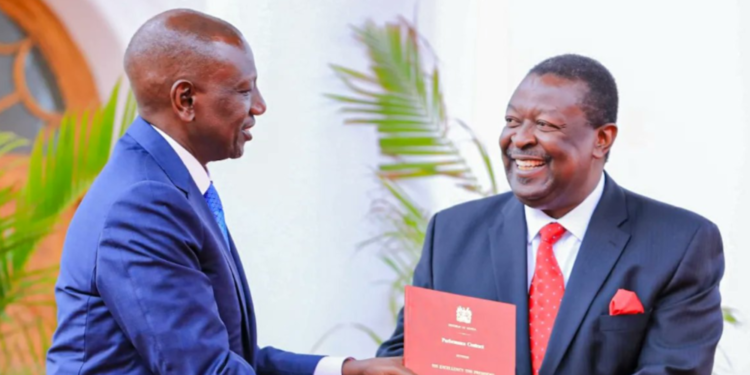
President William Ruto and Prime Cabinet Secretary Musalia Mudavadi during a cabinet meeting in State House
PHOTO/Standard
What Happens After They Leave Oromia and Enter Kenya?
There is also an institutional question. DRS unquestionably has a legitimate role in refugee affairs and durable solutions.
Under Kenya’s Refugees Act framework, its mandate covers administration concerning refugees and asylum seekers, coordination of refugee programmes, protection and assistance, while its services include durable solutions and relocation. Its participation in a voluntary repatriation process involving Kenyan refugees abroad is therefore not, by itself, evidence of anything improper.
But that makes transparency more, not less, important.
What precisely is DRS’s role once these individuals cease being refugees abroad and re-enter Kenya as Kenyan citizens? Which institution assumes responsibility at the border? Who verifies citizenship? Who issues or validates national identification documents? Which agencies oversee settlement and reintegration? What resources have been budgeted, and under which programme?
Also Read: Why Kenyans Are Skeptical of Every New Mega Project
Any Connections to the 2027 Election?
And then comes the question Kenya should not be afraid to ask: What safeguards separate this humanitarian exercise from the 2027 electoral process?
The proximity of the return process to an election year does not prove an electoral purpose, and it would be irresponsible to claim otherwise without evidence.
But public confidence requires institutional safeguards precisely because many of the prospective returnees are adults, originate predominantly from Marsabit County and may, once ordinarily resident and otherwise legally eligible, seek registration as voters.
The relevant institutions should therefore explain the firewall between refugee repatriation, citizenship documentation, settlement and voter registration. Who will share data with whom? Will DRS refugee-return data be transmitted to agencies responsible for civil registration or elections, and if so, under what legal authority and data-protection safeguards? Will returnees be processed under exactly the same citizenship and voter-registration requirements applicable to every other Kenyan?
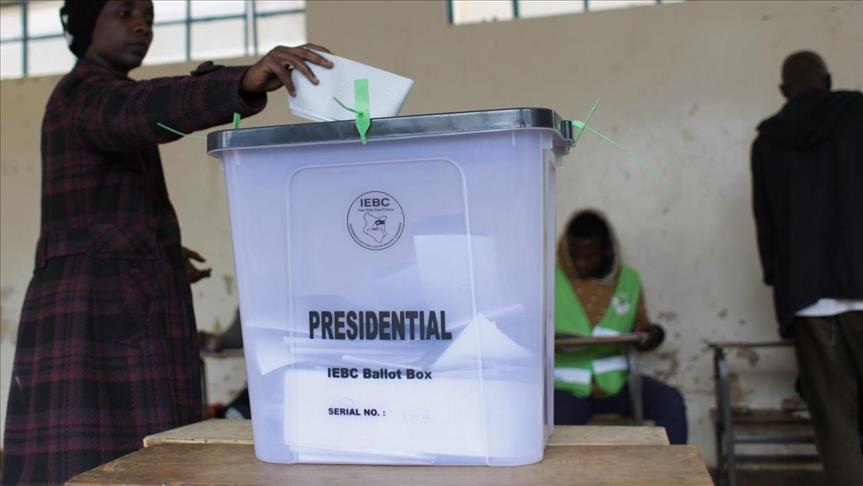
Presidential ballot box in Kenya. PHOTO/Courtesy.
These questions protect both the returnees and the integrity of the institutions managing their return. The Government should therefore publish a basic repatriation accountability package: the independently verified number of returnees; methodology and date of verification; age and sex disaggregation; confirmed Kenyan nationality; areas of intended return; the reintegration framework; responsible government agencies; budget and sources of financing; data-protection arrangements; and clear institutional boundaries between humanitarian return, civil documentation and electoral registration.
Have Things Changed in Their Ancestral Communities?
There is another uncomfortable question: what conditions have changed in the communities from which these people originally fled? Government statements have acknowledged that some refugees were reluctant to return to their original areas because of fears associated with the conflicts that initially displaced them.
Repatriation cannot simply mean moving people across Moyale and declaring success.
Sustainable return requires security, access to land and livelihoods, documentation, education, health services and mechanisms for resolving the resource and communal disputes that contributed to displacement in the first place.
Also Read: Why Politicians Are Fighting to Lead Political Parties Ahead of the 2027 Election
After two decades, returning refugees may also include young adults who have known Ethiopia as home for most or all of their lives. Their reintegration challenges will therefore be very different from those of the generation that originally crossed the border.
Kenya should bring its citizens home. That principle should not be controversial. But precisely because repatriation is a humanitarian and citizenship obligation, it must not operate in a cloud of unexplained numbers, unclear institutional responsibilities or unanswered questions about timing.
So the questions remain simple and legitimate: Why now? What is the final verified number? Who has independently verified nationality and consent? Where exactly are the returnees being resettled? What reintegration package awaits them? What has changed in their areas of origin to make return sustainable? And, with 2027 approaching, what institutional safeguards guarantee that a humanitarian repatriation programme remains completely distinct from electoral administration?
The Government does not need rhetoric to answer these questions. It needs data, documentation and transparency.
Follow our WhatsApp channel for instant news updates
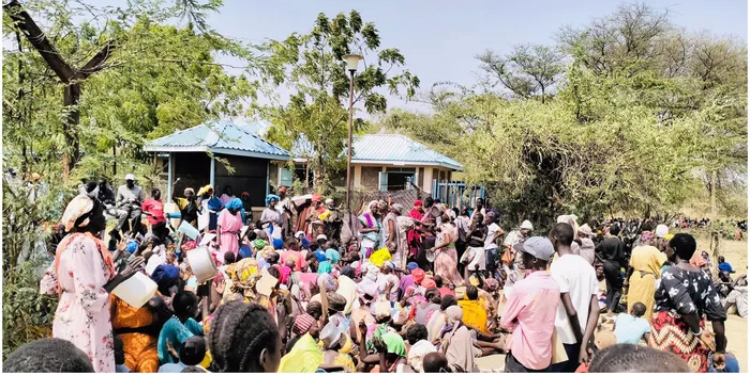
An image of refugees at the Kakuma refugee camp. Photo /Kakuma News