
Big Win for Transgender Kenyans as Court Allows Changes to Identity Documents
Share
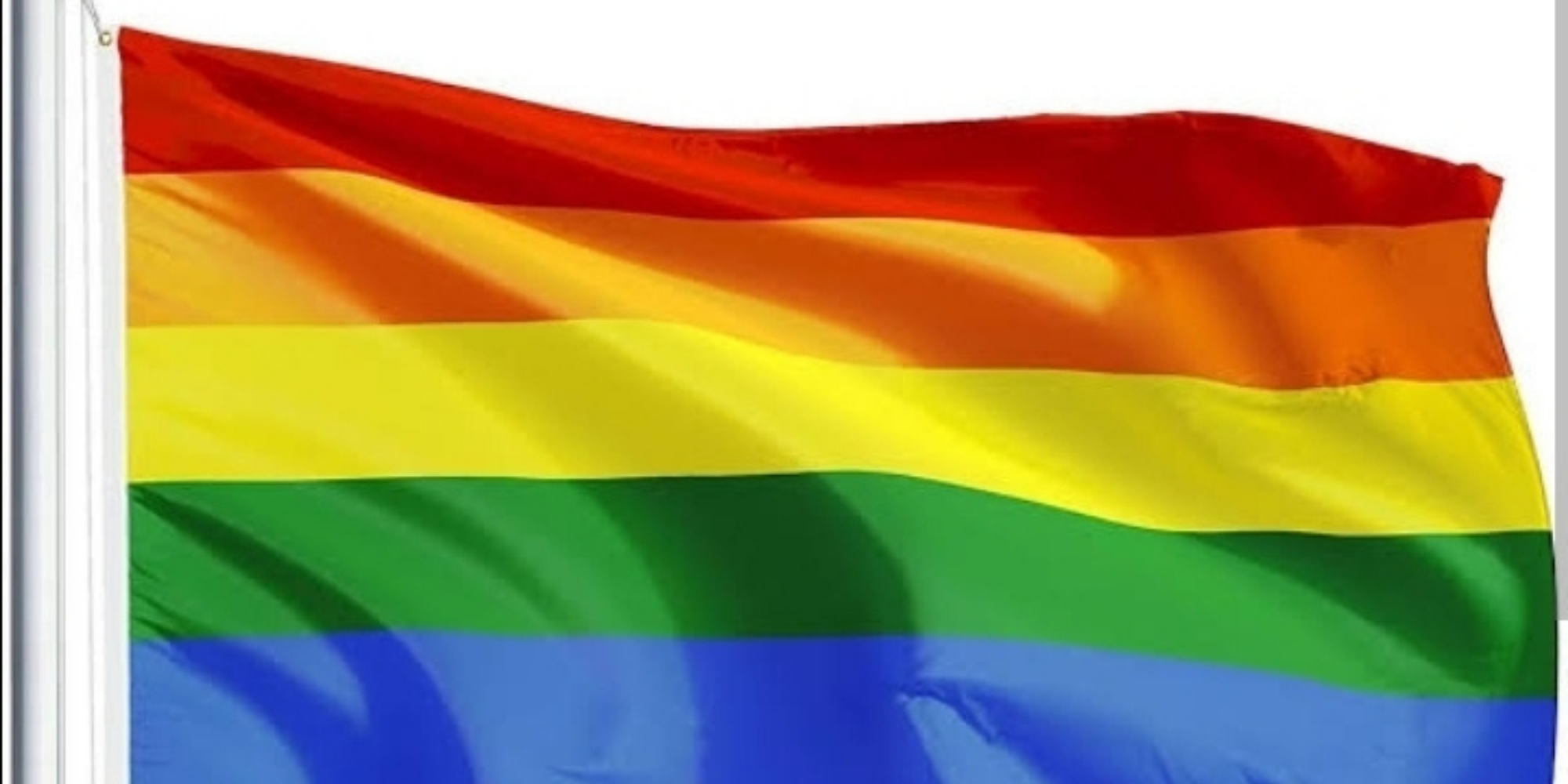
Transgender rights in Kenya have received a major boost after the High Court ruled that state agencies can allow changes to gender markers on official identity documents under specific conditions.
In a decision delivered on May 19, 2026, the High Court examined how constitutional protections apply to identity documentation where existing laws remain silent on the issue.
The court stressed that identity rights must be interpreted through the Constitution before reaching its central finding. It held that Kenyan law leaves room for such changes.
“Kenyan law does not expressly prohibit the alteration of sex or gender markers on official documents,” the High Court stated.
Justice Mwamuye found that state agencies violated constitutional guarantees on equality, dignity, privacy, freedom of expression and fair administrative action when they refused to amend documents belonging to transgender activist Audrey Mbugua Ithibu.
He noted that this refusal exposed affected individuals to harassment, forced disclosure of private information and barriers in accessing essential services.
Additionally, the court emphasized that constitutional protections do not depend on legislative silence or administrative gaps.
It affirmed that courts must enforce rights once clear violations emerge. On that basis, Justice Mwamuye dismissed a preliminary objection raised by the State, holding that procedural technicalities cannot defeat constitutional claims.
Also Read: JSC Interview: Kigen Questions Constitutional Limits on Same-Sex Marriage
Transgender Ruling Reshapes Legal Interpretation on Identity Changes
Justice Mwamuye clarified that the court did not introduce a new law or direct Parliament to legislate. Instead, he explained that it interpreted existing legal provisions in line with constitutional principles.
He added that until a formal framework exists, authorities must assess applications individually and apply fairness and non-discrimination.
Furthermore, the court rejected the State’s preliminary objection and allowed the petition to proceed.
It held that courts must not shut out claims where petitioners properly demonstrate violations of constitutional rights.
Also Read: High Court Declines to Suspend Ruto–Sakaja Cooperation Deal
Case Sets Precedent on Identity Document Reforms in Kenya
As a result, authorities must now evaluate applications for changes to birth certificates, national identity cards and passports on a case-by-case basis.
They must also consider medical, legal and administrative evidence while ensuring fair and consistent decision-making.
The ruling sets a significant precedent for how institutions handle gender identity issues in Kenya.
It is expected to shape future debates on constitutional rights, administrative reform and identity documentation policies.
Follow our WhatsApp channel for instant news updates

Court Hammer. PHOTO/ High Court