Call Grows for Review of PAYE Tax Bands to Ease Pressure on Kenyan Workers
Share
Stakeholders have made a strong push for the review of Pay As You Earn (PAYE) tax bands in a bid to rescue Kenyan workers from shrinking paychecks.
Speaking when they submitted their proposals on the Bill to the Departmental Committee on Finance and National Planning on May 21, 2026, the Institute of Certified Public Accountants of Kenya (ICPAK) argued that the current tax structure places an unfair, heavy burden on lower-income earners, rendering the system regressive rather than progressive.
They told the Committee that the burden has been exacerbated by a wave of statutory deductions introduced over the past two years.
“With higher deductions such as NSSF, affordable housing levy, and SHIF contributions over the last two years, a more progressive tax rate would help increase disposable income among individuals,” ICPAK stated in its submission.
The accountants pointed out that Kenyan workers had hit the higher tax brackets compared to their regional peers.
“The current tax bands are very narrow, with the 30 per cent PAYE rate applied to individuals earning just over Kshs. 32,333 per month. The progression is also very steep, with individuals earning above Kshs. 500,000 per month, paying tax at the rate of Kshs. 32.5 per cent. This may point to excessive taxation, which potentially erodes the purchasing power and ability of individuals to save and invest to help spur growth”, they submitted.
ICPAK cited Ghana as a glaring contrast, where a 30 per cent tax rate kicks in only when a monthly income surpasses roughly Ksh.255,000.
Proposed Reforms to Correct Imbalances in PAYE Rate
To correct these imbalances, ICPAK recommended slashing the top PAYE rate from 35 per cent to 28 per cent, matching the proposed corporate tax rate, and vastly widening the brackets.
They proposed a cleaner, more progressive framework of 10 percent, 15 percent, 20 percent, 25 percent, and 28 percent, respectively.
Additionally, the Institute called for a boost to the lowest tax threshold and personal monthly relief to cushion the lowest earners.
“Hon. Chair, we propose both the increase in the lowest tax band to Ksh 30,000, and the expansion of the tax bands to ensure that the higher PAYE rates apply to higher income earners”, they stated.
“We further recommend an increase in the personal relief from the current Ksh 2,400 per month to Ksh 3,000 per month”, they added.
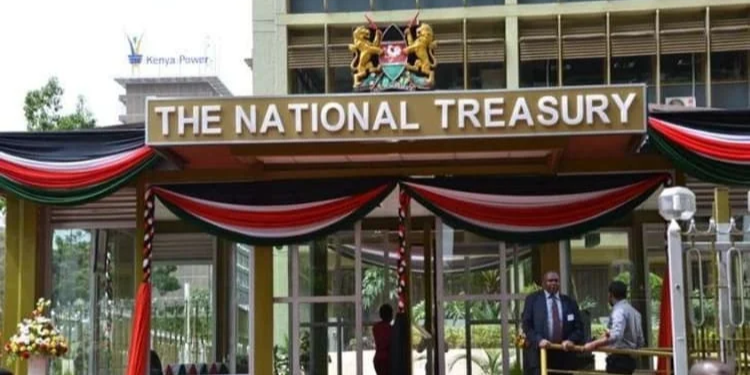
National Treasury Office Building in Nairobi. PHOTO/Nation
Banking Sector Raises Alarm Over Purchasing Power
Adding their voice to the debate, the Kenya Bankers Association (KBA) held that the escalating statutory deductions are severely crippling the purchasing power of Kenyan workers.
Presenting the banking sector’s official memorandum, KBA urged the government to implement far-reaching amendments, spearheaded by a significant restructure of the Pay As You Earn (PAYE) tax bands, alongside the removal of the new digital and corporate tax proposals.
KBA noted that between January 2023 and early 2026, salaried Kenyans earning a gross income of Ksh 100,000 have suffered an estimated 7.74 per cent drop in net take-home pay.
They attributed this to the new statutory levies, including the Social Health Insurance Fund (SHIF), the Affordable Housing Levy (AHL), and heightened NSSF contributions.
They made a similar proposal arguing for a uniform 5 per cent reduction in PAYE across all brackets, effectively lowering the maximum tax rate from 35 per cent to 30 per cent.
They further advocated for expanding the lower tax bands and elevating the monthly tax-free threshold to Ksh 30,000.
Also Read: Bankers Urges Govt to Reduce PAYE by 5% to Strengthen Economy
Lawmakers Hint at Possible Amendments
Reacting to the submissions, Committee Members hinted that they would be moving amendments for the inclusion of the provision which is not in the Bill, adding that there is a need to ensure that taxpayers meet their tax obligation in proportion to their respective abilities.
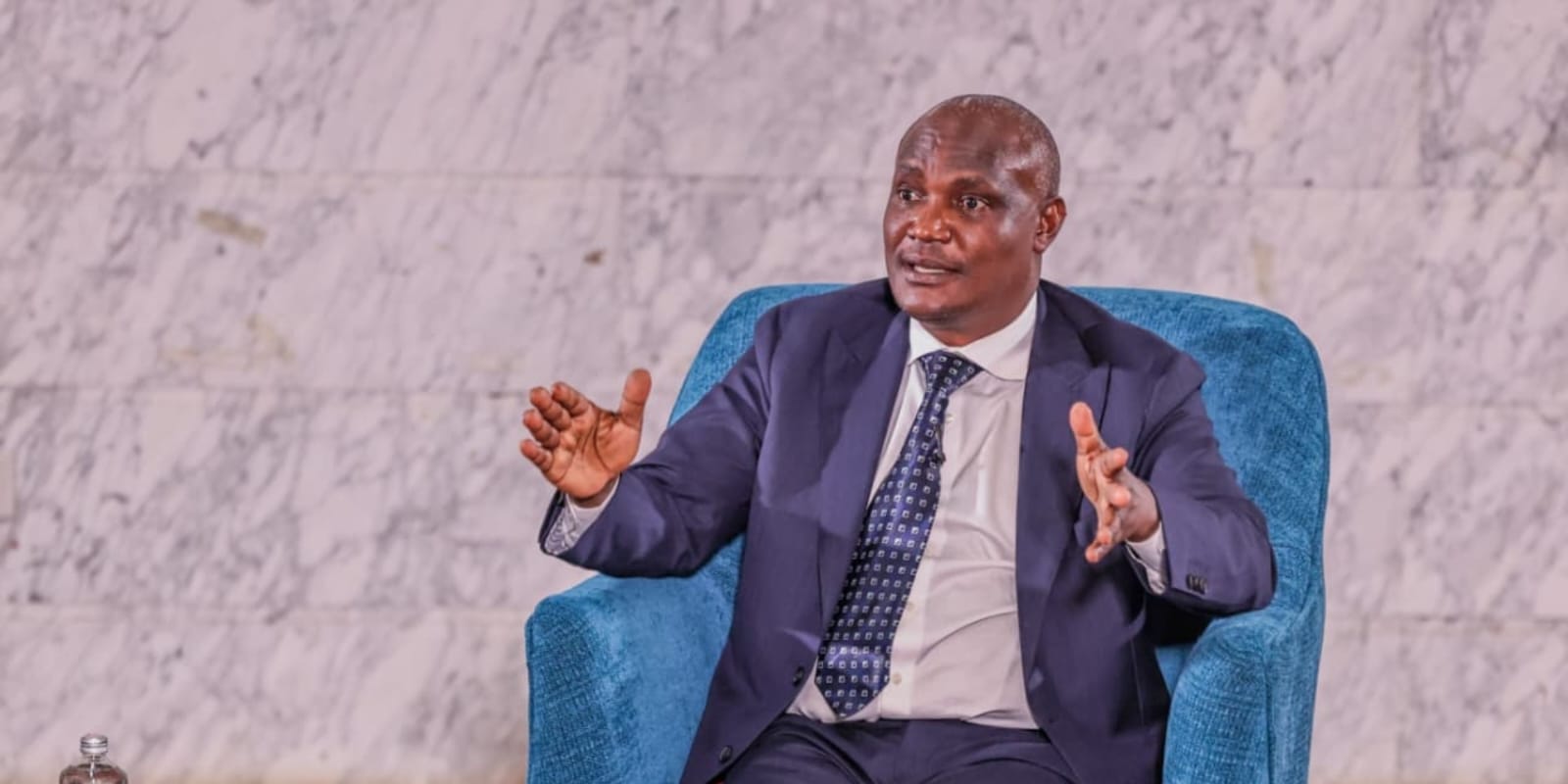
“We note that this provision is not contained in the Finance Bill, but as a Committee we’re in agreement that those earning more should pay more tax, and that we should consider moving the threshold of PAYE to Kshs. 30,000”, Hon. Julius Rutto (Kesses) stated.
The lawmakers observed that principles of fair taxation dictate that individuals with a higher income or greater wealth should pay a higher proportion of their income in taxes.
They argued that this implies a progressive tax structure to help redistribute wealth.
“Indeed, it is our opinion that there is a need to redistribute wealth under the principle of equity”, John Ariko pointed out.
Revenue Impact Concerns Raised
Committee Chairperson Hon. Kuria Kimani (Molo) informed the stakeholders that though the Cabinet Secretary for National Treasury had undertaken that the government would consider reviewing the tax bands, a simulation had shown that the move would result in a revenue dip of Kshs. 35 billion.
He pledged that the Committee would look into the proposal with particular emphasis on the net effect of increasing the disposable income through the review.
“The Cabinet Secretary for National Treasury had made the pledge to review tax bands especially for low income earners. After conducting a simulation, they got indications that the move to review the minimum taxable income to Kshs.30,000 from the current Kshs. 24,000 would result into a Kshs. 35 bn dip. We will be looking at the proposal to ascertain what is the net effect of increased disposable income”, he undertook.
Also Read: Mbadi Speaks on PAYE Rates and Time for Filing KRA Returns
Audit Firm Supports PAYE Reform Push
Audit firm, Delloite, also sought to address the matter of PAYE Tax Bands and personal relief with the Committee. They proposed that the Third Schedule to the Income Tax Act be amended by reviewing downwards income tax payable by low-income earners downwards, while introducing additional rates for better progression.
Noting that the review of tax bands aligns with the government’s agenda and the Medium Term Revenue Strategy, Deloitte urged the Committee to cap the maximum tax rate for PAYE to 30 per cent.
“More disposable income for individuals aligns with the government’s Bottom-Up Economic Transformation Agenda (BETA),” they submitted.
“They are also in tandem with the Medium- Term Revenue Strategy for FY 2024/25 – 2026/27, which proposed to review the structure of the PAYE bands to improve progressivity and harmonize the personal income tax top rate with the corporate income tax rate during the strategy period,” they added.
Follow our WhatsApp channel for instant news updates

Chairperson of the National Assembly Departmental Committee on Finance and National Planning Kimani Kuria during a committee meeting on May 21, 2026. PHOTO/ Parliament Facebook.