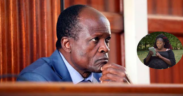
Court Throws Out Case Challenging National Prayer Breakfast
Share

A High Court judge has dismissed a case that aimed to stop the 2026 National Prayer Breakfast.
The judge determined that important constitutional issues were not properly presented in the petition, making them unusable by the court.
The petitioner’s lawyer, Lempaa Suyiaka, had asked the court to block the use of public funds to finance the 2026 prayer breakfast on the basis that it violates the separation of state and religion under Article 8 of the constitution and was discriminatory and a violation of Article 27 on equality since it was being held at the Safari Park Hotel.
The court ruled against the petitioner on both grounds.
Constitutional Rights and Parliamentary Procedures in Public Events
While the court acknowledged that much of the proceedings had focused on whether the prayer breakfast constituted establishing a state religion, the judge stressed that the argument was not part of the filed pleadings.
“Submissions are not pleadings,” the judge ruled. “I can only rule on issues that have been properly placed before this court.”
Also Read: Gender CS Clarifies Missing Children Data Amid Public Concern in Kenya
Had the petitioner amended his petition before the judgment to include his Article 8 submissions, the court would have been obligated to deal with those issues in separate proceedings.
The judge also rejected the claims of discrimination and ruled that Parliament had proved its case that the hotel was chosen through the required procurement procedures laid out under Article 227 of the constitution and that the prayer breakfast would be broadcast via live stream for wider public accessibility.
“It is reasonably accessible, and efforts are being made to broadcast it,” the judge stated.
Also Read: RMS Orders Journalists Eyeing 2027 Political Seats to Resign
Court Orders Parliament to Release Information Within 30 days Due to Violation of Access to Information Rights
However, the petitioner was successful on one ground; that Parliament violated his rights under Article 35 on access to information and fair administrative action by failing to reply to his request dated 13 March 2025.
The court ordered Parliament to release the information to the petitioner within 30 days and in a manner understandable to the average citizen.
The judge stated that the Commission on Administrative Justice should bear no blame, as they had taken a quick and proper approach to the complaint.
Follow our WhatsApp channel for instant news updates
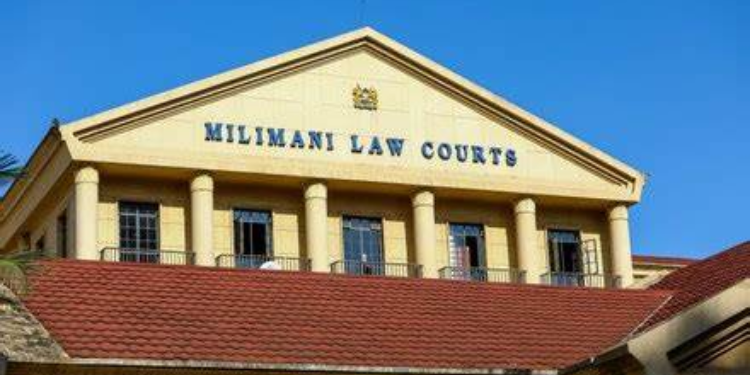
The High Court has dismissed a petition challenging the National Prayer Breakfas/ PHOTO FILES.