
Emergency Pills Can Fail Even on First Use, Doctor Warns
Share


A morning-after pill may be taken with the hope of preventing an unplanned pregnancy, but taking emergency contraception does not guarantee that pregnancy will be avoided.
Dr Paul Koigi has warned that emergency pills can fail even when used for the first time, challenging the belief that their effectiveness only becomes a concern after repeated use.
“No method of contraception is 100 percent,” he said.
Speaking during an interview on The People’s Breakfast on Thursday, Koigi explained that every contraceptive method has a potential failure rate, meaning none can eliminate the possibility of pregnancy.
His remarks come as questions continue to surround repeated use of emergency pills, with some people believing that taking the morning-after pill several times causes it to eventually stop working.
Koigi, however, said emergency contraception should not be turned into a regular form of family planning, urging people who frequently rely on it to consider longer-term options.
Doctor Warns Against Making Emergency Pills a Habit
“There are people who take them every Fridays, on weekends they have become groceries.”
Koigi said frequent reliance on emergency pills could be avoided by choosing a more consistent family-planning method suited to an individual’s needs.
“I think it is incredibly important that we make the investment in having a proper mid-term or long-term method of family planning.”
Emergency contraception is intended for unexpected situations, such as when regular contraception was not used or failed.
Also Read: Friends With Benefits: Is it a Good Idea?
Morning-after pills work mainly by delaying or preventing ovulation, while a copper IUD can also be used as emergency contraception within the recommended timeframe.
Unlike emergency pills, regular contraceptive methods are designed to provide ongoing protection against pregnancy. Condoms act as a barrier to prevent sperm from reaching an egg and also help protect against sexually transmitted infections.
Hormonal methods such as contraceptive pills and injections work mainly by preventing ovulation, while implants release hormones over a longer period after being placed under the skin.
Intrauterine Devices (IUDs) are small devices placed inside the uterus and can provide protection for several years, depending on the type. Fertility-awareness methods, meanwhile, involve tracking menstrual cycles and other body signs to identify days when pregnancy is more likely.
For people who do not want future pregnancies, permanent options include vasectomy, tubal ligation, and salpingectomy.
No Contraceptive Method is 100 Percent
Cleveland Clinic notes that different birth-control methods have different effectiveness rates and that pregnancy can still occur when contraception is used.
Also Read: Kenyan Pharmacy Introduces Smart Condoms That Can Detect STIs During Sex
Long-acting methods such as implants and IUDs are among the options that provide prolonged protection without requiring daily use.
Koigi stressed that emergency pills should remain an option for unexpected situations rather than become something people routinely depend on.
“Ideally, we even recommend that you don’t take them more than three or four times in your life, not just a year. It’s an emergency. You know, you don’t have emergencies every week. You don’t live your life from emergency to emergency,” Koigi said.
He encouraged people to plan ahead and consider a suitable regular contraceptive method, noting that proper family planning can help people make informed decisions about preventing unintended pregnancies.
Follow our WhatsApp channel for more updates
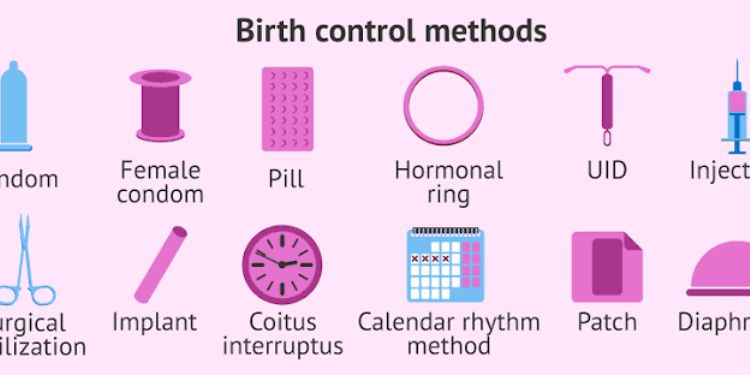
Birth control methods chart. PHOTO/ inviTRA