EPRA Issues Safety Guidelines After Rise in Petroleum Tanker, LPG Accidents
Share
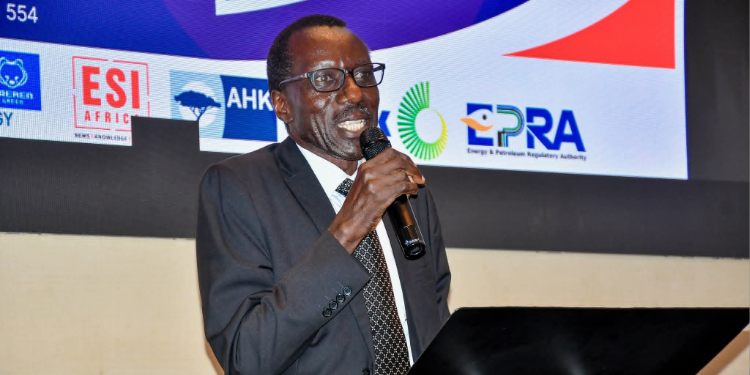
The Energy and Petroleum Regulatory Authority (EPRA) has issued safety guidelines for members of the public following continued reports of road accidents involving petroleum and Liquefied Petroleum Gas (LPG) tankers.
In a notice dated September 24, 2026, EPRA warned that petroleum products are highly flammable and can ignite or explode without warning when spilled or leaked.
Vehicle engines, electrical equipment, naked flames, and sparks from static electricity can provide sources of ignition.
“The Authority continues to receive reports of road accidents involving petroleum and Liquefied Petroleum Gas (LPG) tankers, some of which have tragically led to loss of life and injury to members of the public. The Authority extends its heartfelt condolences to the families who have lost loved ones in these incidents and wishes those injured a speedy and full recovery. It is deeply regrettable that lives continue to be lost in circumstances that could have been avoided,” the notice read.
Beyond the immediate danger of fire, petroleum and LPG spills can ignite and explode, potentially killing people or leaving survivors with severe, lifelong injuries.
The regulator therefore urged members of the public to keep away from tanker accident scenes and avoid handling spilled or leaking products.
EPRA Issues Safety Guidelines for Tanker Accidents
To help prevent further injuries, EPRA urged members of the public to observe the following measures when a petroleum or LPG tanker is involved in an accident:
- Keep a distance of at least 300 metres from the scene of any petroleum or LPG tanker accident.
- Report petroleum or LPG tanker accidents, spills or fires promptly to the relevant emergency and regulatory agencies, including the County Fire Department, the Kenya Red Cross, the National Disaster Operations Centre, EPRA, the National Transport and Safety Authority (NTSA), the Directorate of Occupational Safety and Health Services (DOSHS) and the National Environment Management Authority (NEMA).
- Do not scoop, siphon, collect, transport or handle spilled or leaking petroleum products. Doing so could cost you your life or leave you with lifelong injuries.
- Never smoke, light a fire or use a naked flame near a petroleum or LPG tanker accident scene, even when beyond the 300-metre safety distance.
- Avoid any activity that could create sparks or other sources of ignition, including unnecessarily starting or running vehicles or equipment near a petroleum spill or LPG leak.
- Never attempt to recover petroleum products or tamper with the tanker’s valves, compartments or any other equipment.
- Give way to emergency responders, law enforcement officers and other authorised personnel so that they can secure and manage the scene.
Also Read: Kenyans to Spend More on Electricity Tokens as EPRA Introduces New Charges
Authority to Enforce Safety Standards for Petroleum, LPG Transporters
Meanwhile, EPRA said it will continue enforcing safety standards for petroleum and LPG transporters, including vehicle roadworthiness inspections and driver competency requirements.
“The Authority remains committed to enforcing safety standards for petroleum and LPG transporters, including vehicle roadworthiness inspections and driver competency requirements. It will continue to work with sector stakeholders to strengthen compliance and prevent such incidents from recurring,” the authority said.
Also Read: EPRA Announces New Fuel Prices as Global Oil Surges Past $100
Additionally, the regulator reminded members of the public that losing a life in such circumstances has irreversible consequences.
“Members of the public are reminded that human life is precious, and a life lost can never be recovered,” EPRA said.
For emergencies involving petroleum or LPG, members of the public can contact EPRA through the emergency toll-free number 0800722243, hotline 0709336000, USSD code *363# or email at info@epra.go.ke.
Follow our WhatsApp channel for instant news updates
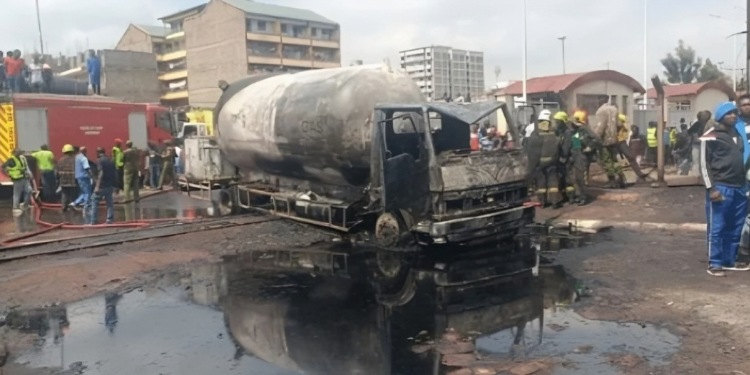
A photo of the burned-out Liquefied Petroleum Gas (LPG) tanker near the Stage Mpya / Fedha bus stop off Outer Ring Road in Pipeline Estate following its midday explosion on Monday, June 3, 2024. PHOTO/ The Standard