

Explained: How HELB Calculates Student Loans After Abolition of Funding Bands
Share

Students applying for funding from the Higher Education Loans Board (HELB) are no longer being placed in Band 1 to Band 5 categories under the New University Funding Model.
The change has left many students wondering how HELB now decides how much funding each applicant receives.
In response to an inquiry by Hivileo on how student loans are currently calculated and whether the banding system is still in use, HELB clarified that allocations are no longer based on bands.
Responding through a direct message on social media, HELB said:
“No. The bands’ categories are no longer in use. Student allocations are based on the information, internal checks, and metrics.”
How HELB Calculates Student Loans Today
According to HELB, loan allocations are now determined using information provided by students during the application process, together with internal checks and assessment metrics.
However, the loans board did not reveal the exact formula or criteria it uses to calculate funding amounts.
HELB only stated that allocations are based on the information submitted by applicants and internal assessment processes, rather than the banding system that was previously used.
This means that each application is assessed individually before a funding amount is determined.
Also Read: What to Do If Your HELB Account Details Are Wrong
Why Student Funding Is No Longer Based on Bands
The latest clarification comes months after HELB announced that student funding allocations would no longer be determined through bands.
Previously, students were placed in different categories under the government’s funding model. Each band attracted different levels of scholarships and loans depending on a student’s financial circumstances.
However, in August 2025, HELB announced that the banding system had been discontinued.
At the time, the board said funding allocations would instead be based on a student’s financial need and the cost of their programme of study.
The latest response to Hivileo further confirms that bands are no longer part of the student funding allocation process.
Background on the New University Funding Model
The New Higher Education Funding Model was introduced by President William Ruto in May 2023 as part of efforts to address funding challenges facing public universities and Technical and Vocational Education and Training (TVET) institutions.
The model replaced the Differentiated Unit Cost (DUC) system that had previously been used to fund universities.
Under the new model, government support shifted from funding institutions directly to funding students through scholarships, loans, and household contributions.
Also Read: Govt Moves to Change HELB Loans and Student Bursaries — What It Means
When it was introduced, students were grouped according to their level of financial need, ranging from vulnerable and extremely needy to needy and less needy.
Students considered more vulnerable were expected to receive a larger share of government support.
However, the model attracted criticism from students, parents, and other education stakeholders. Some argued that the categorisation process was not always accurate or transparent.
Others complained that they had been placed in categories that did not reflect their actual financial situation, raising concerns about fairness in the allocation of funding.
Follow our WhatsApp channel for instant news updates
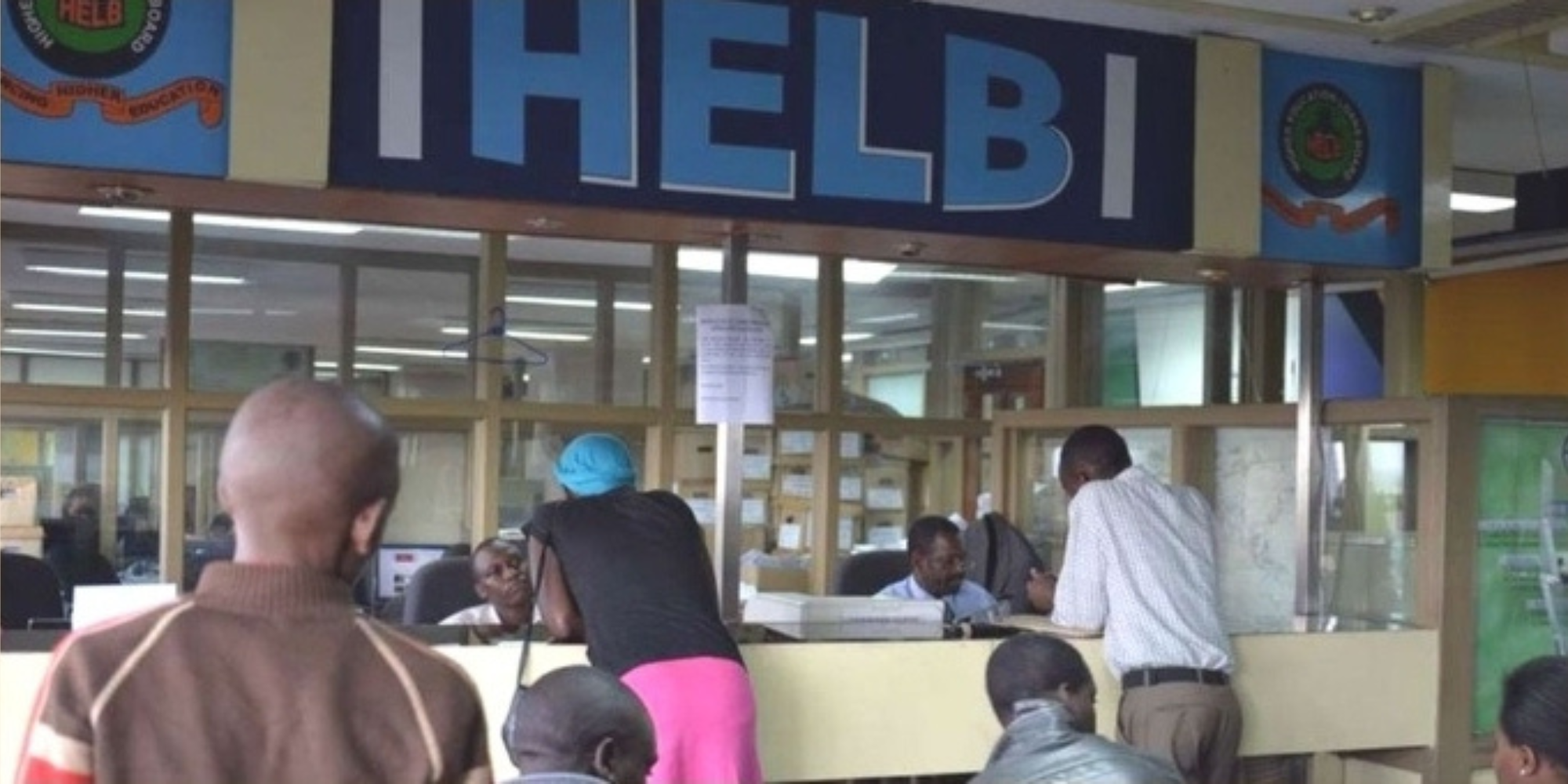
Students getting Services FROM HELB offices. PHOTO/ HELB