
EXPLAINER: Who Runs Safaricom After the Shareholding Changes?
Share

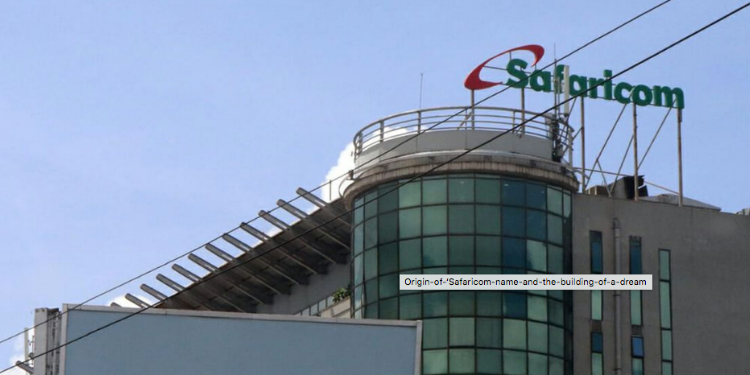
Questions over who owns Safaricom and who makes decisions at the company have become more common following the recent changes in the shareholding structure.
While the terms ownership, board of directors, management, and Chief Executive Officer (CEO) are often used interchangeably, they refer to different parts of the company’s leadership structure, and each has its own responsibilities.
Safaricom: Who Owns the Company, Who Oversees It and Who Runs It?
To understand how Safaricom is run, it is important to begin with ownership, which refers to the shareholders who have invested in the company by buying shares.
These shareholders include the Government of Kenya, Vodafone Kenya Limited, institutional investors, and individual investors who own shares through the Nairobi Securities Exchange (NSE).
Therefore, as owners, they have a financial stake in Safaricom and exercise their influence mainly through Annual General Meetings (AGMs), where shareholders vote on key resolutions and elect members of the Board of Directors.
A majority shareholder—one who owns more than 50% of the company’s shares—typically has greater voting power and influence over these decisions.
Also Read: Fact Check: What Kenyans Are Getting Wrong About the Safaricom-Vodacom Deal
Board of Directors
Once elected, the Board of Directors becomes responsible for the overall conduct of the company’s business.
According to Safaricom’s corporate governance structure, the board provides leadership, oversees governance, and determines the company’s strategic direction.
It is also responsible for ensuring the company is managed in the interests of shareholders.
In addition, the board is chaired by a non-executive chairman, whose role is to lead board meetings, ensure the board operates effectively, and set its agenda.
Despite managing the company’s day-to-day activities, the board focuses on oversight and long-term decision-making, including appointing and overseeing the Chief Executive Officer (CEO).
Senior Management
Within Safaricom, the senior management team led by the CEO is also responsible for the company’s day-to-day operations.
Also Read: How Shareholding Works in a Listed Company: Understanding Safaricom’s Divestiture
It comprises chief officers who oversee different functions across the business, including finance, technology, consumer business, enterprise business, legal affairs, and human resources.
According to Safaricom, senior management is set to implement the company’s plans, deliver services, manage employees, and ensure the company achieves the goals and targets approved by the board.
Chief Executive Officer
The CEO is the highest-ranking executive in a company and is appointed by the board to serve under its oversight.
Although they have authority over day-to-day operations, they cannot act independently of the board on major strategic matters.
At Safaricom, CEO Peter Ndegwa leads the management team and is responsible for the company’s overall operations.
His duties include:
- Implementing the board’s strategy
- Leading the executive management team
- Making key operational decisions
- Representing Safaricom before investors, regulators, and the public
- Reporting company performance to the board
Follow our WhatsApp channel for instant news updates.
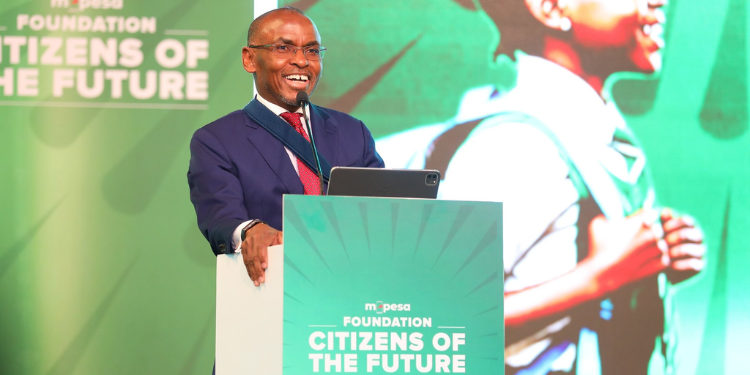
Safaricom PLC Group CEO Peter Ndegwa speaking during the launch of the Citizens of the Future Programme on October 30, 2025. PHOTO/Safaricom