
EXPLAINER: Why Solar Power Is Booming in Kenya as Electricity Prices Hit New Highs in 2026
Share
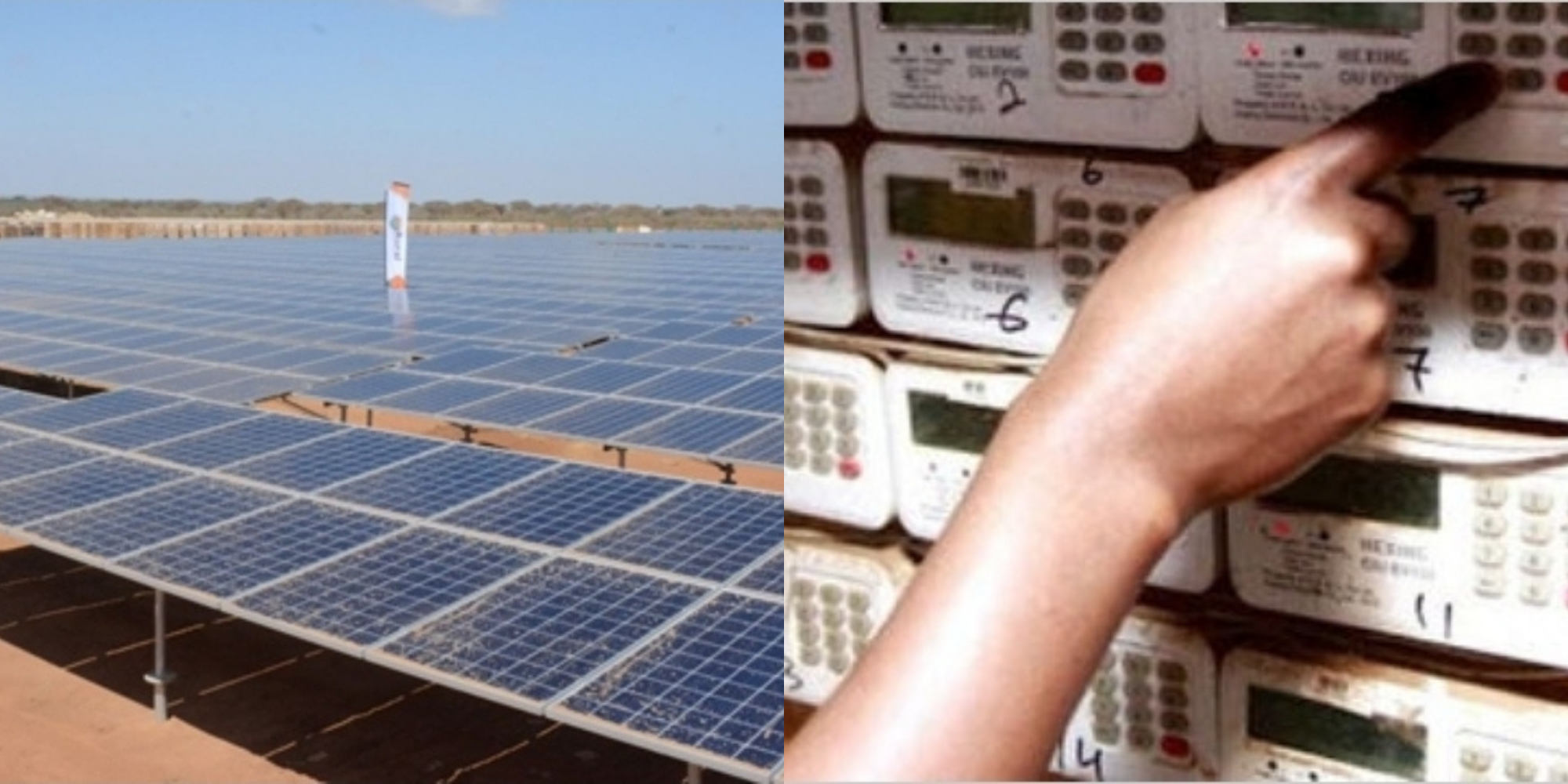
Solar power is gaining attention in Kenya as households and businesses seek alternatives to rising electricity costs.
Electricity bills continue to fluctuate due to tariff changes and pass-through charges. As a result, many consumers now turn to solar for long-term energy solutions.
According to EPRA tariff adjustments for May 2026, consumers face a combined increase of about Ksh 4.40 per kilowatt-hour.
The increase comes from fuel energy cost charges, foreign exchange adjustments, and water resource levies.
These charges reflect changes in generation and supply costs. EPRA passes these costs directly to consumers.
“PURSUANT to Clause 1 of Part III of the Schedule of Tariffs, 2023, notice is given that all Prices for Electrical Energy specified in Part II of the said Schedule will be liable to a Fuel Energy Cost Charge of Plus 306 Kenya cents per kWh for all meter readings to be taken in May, 2026,” stated EPRA.
In addition, EPRA introduced a Foreign Exchange Fluctuation Adjustment of 110.33 cents per kilowatt hour. This further increases electricity costs for households and businesses.
Also Read: Govt Breaks Silence on Possible Electricity Price Hike After Surge in Fuel Costs
Why Solar Power is Gaining Attention
Solar power is emerging as a practical alternative for many Kenyan households and small businesses.
Rising electricity costs continue to push users toward cleaner and more predictable energy options. Key reasons for adoption include:
- Households reduce electricity bills by about 50% to 70%
- Small businesses cut energy costs by up to 60%, depending on usage
- Solar systems generate power during daytime hours
- Users enjoy more stable long-term energy costs
- Households reduce dependence on grid price fluctuations
Solar systems now support daily needs such as lighting, phone charging and refrigeration. They also reduce pressure from monthly electricity bills.
Also Read: Wandayi Explains Surge in Frequent Power Outages Across Nairobi Estates in Recent Weeks
Kenya’s Solar Shift in Action: The Garissa Solar Plant
Kenya also invests in large-scale solar energy projects. The 50 MW Garissa Solar Power Plant leads this shift.
According to the Rural Electrification and Renewable Energy Corporation (REREC), the project marked a major milestone in Kenya’s energy transition.
“This is the first time that Kenya has developed a major solar power plant to harness its abundant solar energy resource to diversify the power generation mix and reduce energy costs,” REREC stated.
“We built the largest grid-connected solar power plant in the whole of East and Central Africa,” REREC added.
The plant contributes about 2% of Kenya’s national energy mix. It feeds clean electricity directly into the national grid. This supports Kenya’s move toward renewable energy.
The Bigger Energy Shift
EPRA tariff structures continue to push electricity costs higher. Because of this, Kenya’s energy debate now focuses on affordability and sustainability.
At the same time, frequent power outages also affect households and businesses across the country. These outages disrupt daily activities and increase reliance on backup energy sources.
As a result, more households and institutions are now exploring solar as a practical response.
Follow our WhatsApp channel for instant news updates
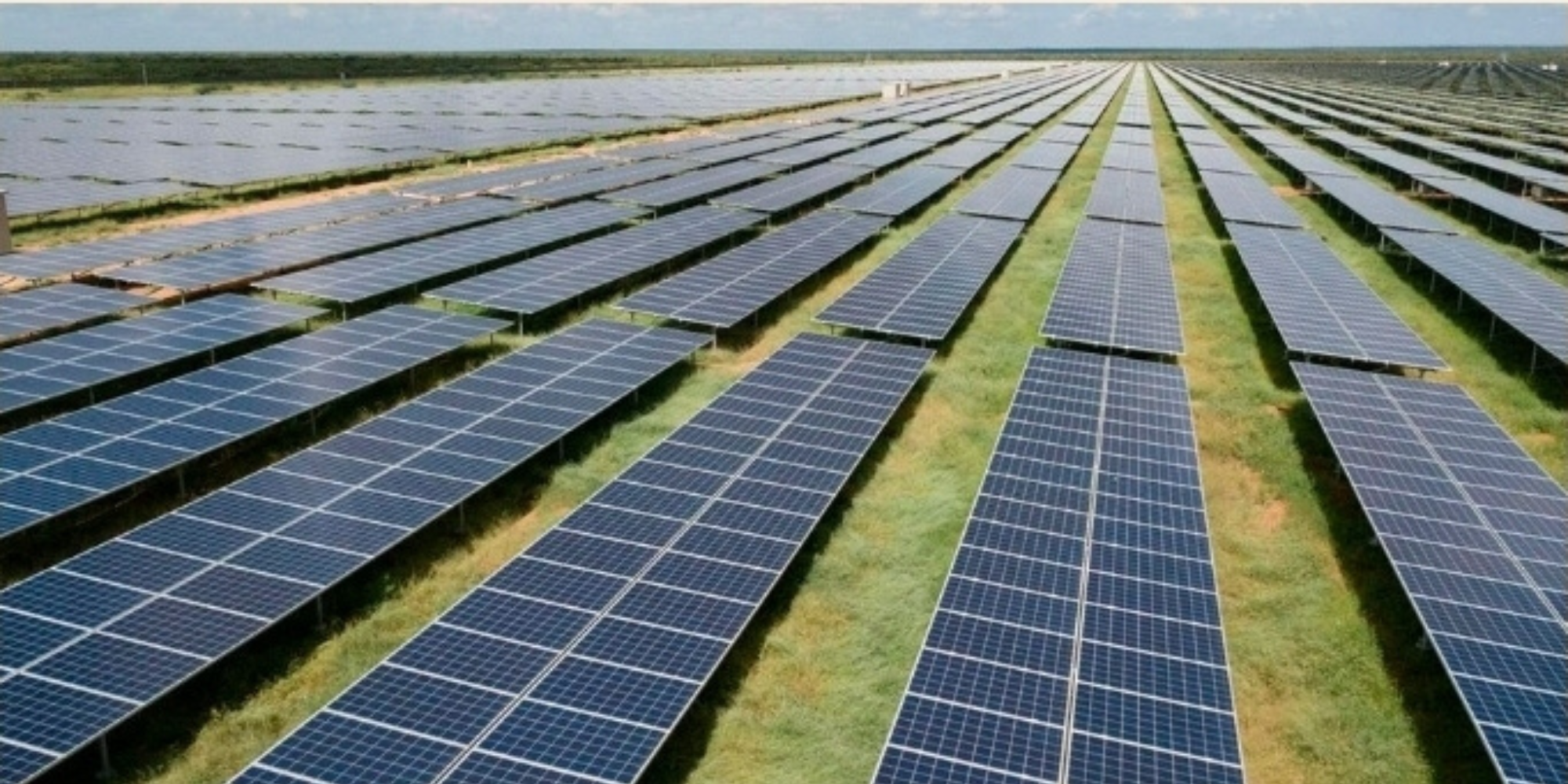
A 50-megawatt solar farm in Garissa, Kenya. More Kenyan firms are adopting solar power to cut costs and improve sustainability amid rising electricity prices and unreliable grid supply. PHOTO/ Xinhua