How HELB Recovers Loans From Graduates After Campus
Share

The Higher Education Loans Board (HELB) has set out various ways of recovering loans from beneficiaries after they complete their studies.
HELB aims to ensure loan repayment supports the sustainability of the scheme while guaranteeing that future learners continue to access funding.
Under the current scheme, HELB grants beneficiaries a one-year grace period after completion of their studies before loan repayment begins.
During the grace period, the loan does not accrue interest, but HELB encourages students to make voluntary repayments.
Once the grace period ends, repayment becomes mandatory, and the loan attracts an annual interest rate of 4%.
HELB Check Off Mechanism for Formally Employed Loan Beneficiaries
Among the key ways that HELB uses to recoup its loans is deductions from employment.
Graduates who get employed in Kenya will automatically be enrolled in the check-off mechanism.
By law, any employer should notify HELB of a loan beneficiary within a period of three months after hiring the graduate.
When informed, the employer will automatically deduct the agreed-upon amortized amount from the salary and deposit to HELB.
Digital Payment Options for Self-Repayments by Beneficiaries
HELB offers various modes of self-repayments for graduates engaged in business activities in the informal economy, freelance or overseas.
The HELB app, M-Pesa payments via the eCitizen payment portal, and the HELB self-service portal can all be used for making payments.
Self-beneficiaries of loans can track their account balances and payment schedules from the HELB loaners portal or using the *642# shortcut on their phones.
Also Read: How to Update Your HELB M-Pesa Number or Bank Details
Defaulters Will Be Punished
HELB has ensured that graduates who do not repay their loans are punished using various measures.
One of the measures used by the institution is to list defaulters with the Credit Reference Bureaus (CRB).
When graduates are listed with CRBs, they will find it difficult to access credit from banks.
Furthermore, penalties keep piling up each month until the debt increases.
The board has partnered with the Kenya Revenue Authority (KRA) and other government departments in an effort to look for graduates who work yet have not honored their loan repayment agreements.
Moreover, graduates aspiring to get jobs or seeking to vie for any public offices must get a clearance certificate from HELB, known as the compliance certificate.
Ndoto Zetu, Jukumu Letu Loan Recovery Campaign
The institution is currently encouraging beneficiaries to take advantage of the ongoing “Ndoto Zetu, Jukumu Letu” Loan Recovery Campaign.
The initiative offers loan defaulters an opportunity to enjoy up to an 80 percent discount on accumulated penalties.
HELB believes that every payment that is made makes a considerable contribution towards ensuring that another deserving student receives their education.
The board is encouraging the beneficiaries to offer their information via specific routes for discussion on flexible repayment plans and to enjoy the penalty relief scheme.
Guidelines on how to repay HELB loans
1. Repayment of the loan via USSD code *642#
- Dial *642#
- Login/Register.
- Choose Loan repayment.
- Select M-Pesa repayment.
- Enter the amount of money to be repaid.
- Key in your MPESA PIN.
- Get payment confirmation via SMS from both eCitizen and HELB.
2. Via the HELB mobile application
- Download the HELB Mobile Application from the Google Play Store.
- Log in/Register an account.
- Go to the PAY LOAN button.
- Phone number verification is done.
- The amount of money to be repaid is entered.
- Key in your MPESA PIN.
- Get SMS alerts for confirmation of payment.
3. Through HELB Self Service Portal
- Go to http://www.hef.co.ke.
- Select Self Serve from the HELB menu.
- Pick loan repayment from the services and click Make Payment.
- Insert payment amount.
- Click Pay.
- Payment successful notification received.
- Pick a payment method.
- Make a payment successfully.
- Press complete.
4. Via employer portal
- Visit www.helb.co.ke
- Upload the remittance list.
- Verify the details and click confirm.
- The e-slip generated from the system is printed out.
- Select the PAYMENTS tab and choose the remittance record.
- Click make a payment.
- Enter phone number where e-Citizen notifications will be sent.
- Click process payment.
- Select payment method.
- Complete payment.
- Statements are viewed.
- Receipt is downloaded and saved.
Also Read: HELB Loan Repayment Penalties and How to Avoid Them
Diaspora Loan Repayment Process
HELB has equally set up easy ways of making repayments by Kenyans residing abroad.
Self-Service Portal
Diaspora beneficiaries can access the HELB self-service portal and follow the standard loan repayment process online.
Wave Transfers
Graduates abroad can make instant payments through Wave using KCB Account Number 1103266314.
After making the transaction, beneficiaries are required to forward the transaction confirmation to onlinepayments@helb.co.ke or diaspora@helb.co.ke.
WorldRemit Payments
To pay through WorldRemit:
- Log in to www.worldremit.com.
- Select Bank Deposit service.
- Pick either Ksh or USD transfer method.
- Enter the amount you wish to pay.
- Input the information about the recipient based on the KCB Account Number 1103266314.
- Specify your national ID as the reference number for the transaction.
- Complete the transaction via your debit or credit card.
- Forward the confirmation of the transaction to HELB.
Bank Deposits and EFT Transfers
The beneficiaries may also opt to repay their debts using the EFT facility or bank deposits made into HELB collection accounts with various banks such as Citibank, Co-operative Bank, ABSA Bank, KCB Bank, Standard Chartered Bank, Equity Bank, National Bank of Kenya, Family Bank, SBM Bank, NCBA Bank, and Kingdom Bank.
Loan Settlement and Repayment of Excess Amounts
After paying off the total outstanding amount of the loan, it is advisable that the beneficiaries apply for the loan clearance certificate from the HELB.
After verification by the board, they shall be given a Certificate of Clearance.
The HELB has noted that loan clearance should only come from the board and not the employers.
If the loan repayment exceeds the due loan, the beneficiary should complete a Loan Recovery Enquiry Form for a refund.
Follow our WhatsApp channel for instant news updates
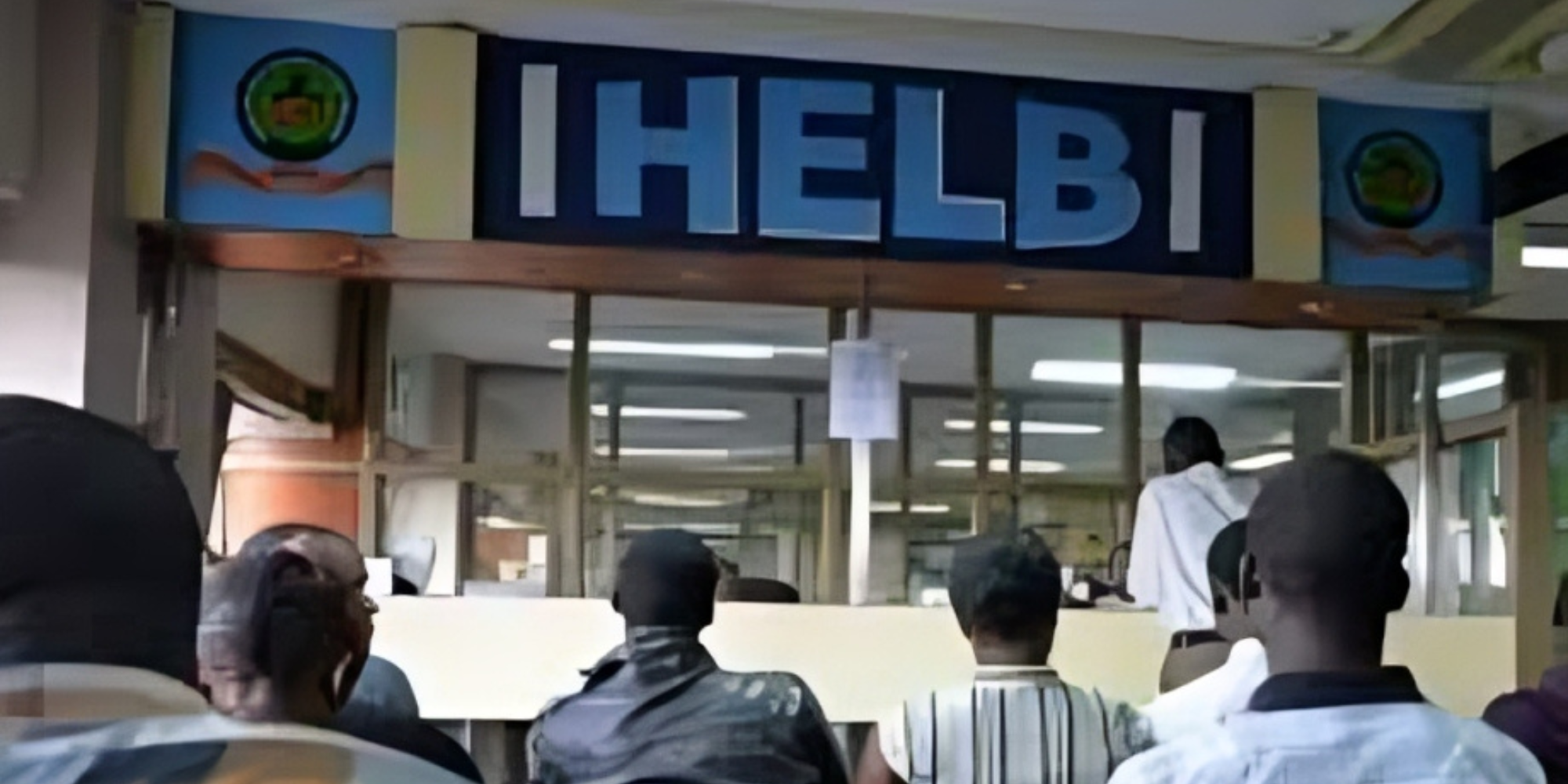
Students lining up to submit their HELB details at Anniversary Towers in Nairobi County.Photo/ file