

How Safaricom Is Transforming from a Telecom Company into a Technology Leader
Share

For many Kenyans, Safaricom has long been known as a mobile network operator offering voice, data, and mobile money services.
Over the years, however, the company has steadily expanded beyond telecommunications by investing in digital technology to meet changing customer needs.
Today, Safaricom is focusing on technology, with artificial intelligence (AI) and the next generation of M-PESA driving its transformation.
How Fintech 2.0 Is Transforming M-PESA
One of the biggest milestones in this journey came on September 19, 2025, when the company migrated its M-PESA system to Fintech 2.0, a new core platform designed to support growing transaction volumes and future digital services.
According to Safaricom, the upgrade became necessary as more customers adopted digital payments and the number of M-PESA transactions continued to rise.
“As we see transaction volumes increasing rapidly and customer behaviour evolving, it has become important for us to think about how we can keep up with these changing trends in society and technology.
Also Read: Safaricom Confirms New Ownership Structure After Vodafone Kenya Deal
To ensure we continue to solve daily challenges, we must define and leverage new technologies. That is why we are upgrading M-PESA’s core system—the platform that processes all our transactions today,” said Safaricom Chief of Financial Services Esther Waititu.
The Fintech 2.0 platform is built on microservices, cloud technology, and AI. It has increased M-PESA’s processing capacity from 4,500 to 6,000 transactions per second, with room to accommodate up to 10,000 transactions per second as demand grows.
The new platform also creates room for new services such as tap-to-pay, shared wallets, and other digital payment solutions that rely on faster and more flexible systems.
Beyond M-PESA, Safaricom is integrating AI into different parts of its business. The technology is being used to improve customer support through always-available virtual assistants, strengthen network performance, and detect suspicious transactions before they become fraud.
Investing in Future Growth and Communities
The company’s long-term plans have also received a boost after securing a 25-year Unified Licence from the Communications Authority of Kenya (CA).
Also Read: Who Owns Safaricom Today?
The license, which was acquired on May 17, 2026, gives Safaricom regulatory certainty until 2051, allowing it to continue investing in 4G, 5G, and fibre infrastructure as demand for digital connectivity continues to grow.
Alongside its technology investments, Safaricom continues to support community programmes through the Safaricom and M-PESA Foundations.
Over the past five years, the foundations have invested Ksh 22.8 billion in community projects, including Ksh 17.41 billion in education initiatives that have benefited more than 2.61 million people.
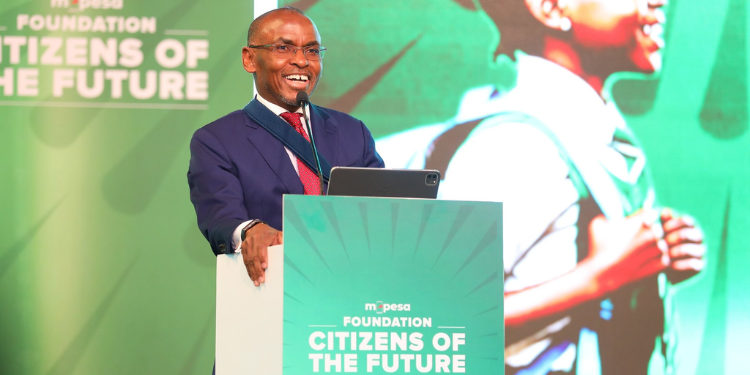
The company has also launched the Citizens of the Future programme, which aims to build or refurbish 500 schools, provide 10,000 scholarships, and equip 56,000 teachers with digital skills.
Follow our WhatsApp channel for instant news updates
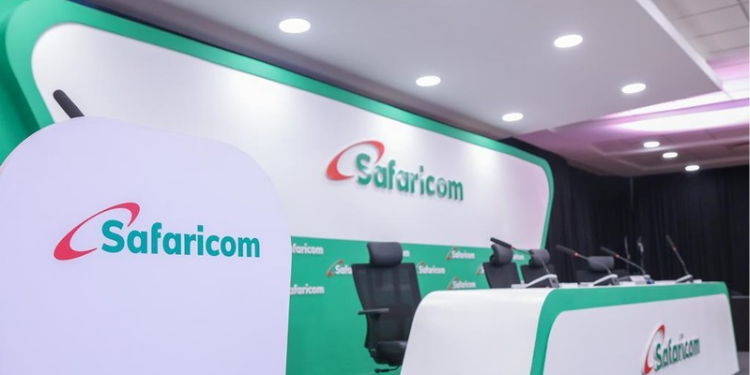
One of Safaricom’s Branches in Kenya. PHOTO/ Safaricom