
Who Owns Safaricom Today?
Share
The ownership of Safaricom has evolved since its establishment in 1997, moving from a state-owned telecommunications company to a publicly listed firm with both local and international shareholders.
The latest change came after the Kenyan government sold its 15 % shares to Vodacom Group, making the South African telecom company Safaricom’s largest shareholder with a 55 % shares.
However, despite the ownership shift, Safaricom remains a publicly listed Kenyan company, with shares held by Vodacom, the government of Kenya, public investors, and institutional shareholders.
Full Breakdown of Safaricom Ownership Structure
Following the news ownership structure, the following is a breakdown of who owns Safaricom today :
- Vodacom Group
Vodacom Group is now Safaricom’s largest shareholder, controlling a 55 % shares in the company.
The South African telecommunications firm increased its ownership after acquiring a 15% stake from the government for Ksh204 billion and an additional 5 % stake from Vodafone, moving from 35 % shares.
This has increased influence over Safaricom’s strategic direction, including decisions on investments, technology expansion, leadership appointments, and future growth plans.
As the majority shareholder, Vodacom can influence ordinary shareholder resolutions, including board appointments, approval of financial statements, and dividend decisions.
However, despite holding the largest stake, Safaricom remains listed on the Nairobi Securities Exchange (NSE), and Vodacom’s control is still subject to Kenya’s corporate and regulatory framework.
Also Read: Safaricom Explains Why It Can Use Your Bonga Points to Repay Okoa Jahazi Debt
- Government of Kenya
This is the second-largest shareholder in Safaricom despite reducing its stake from 35 % to 20 %.
With its remaining 20 shares, the government continues to benefit from Safaricom’s financial performance through dividends and retains influence as the company’s second-largest shareholder.
Beyond its ownership stake, the government also plays a regulatory role in the telecommunications and financial sectors through agencies such as the Communications Authority of Kenya and the Central Bank of Kenya.
- Public Shareholders
A quarter of Safaricom’s shares remain owned by public investors who trade the company’s stock through the Nairobi Securities Exchange.
These shareholders include individual investors who buy and sell Safaricom shares, as well as smaller investment groups.
Although they do not hold a controlling stake individually, public shareholders collectively own a portion of the company and participate in shareholder decisions through voting rights attached to their shares.
Also Read: Vodacom Completes Safaricom Stake Deal, Takes Control
- Institutional Investors
Institutional investors contribute to the 25% public ownership category, holding large blocks of the company’s shares.
This is through pension funds, insurance companies, investment firms, collective investment schemes, and foreign investors.
Although many institutional investors hold their shares through nominee accounts managed by banks and investment custodians, some nominee companies do not own these shares themselves but act as custodians.
New Ownership Structure
| Safaricom Ownership Structure | Shares (%) | Shareholder |
| Majority shareholder | 55% | Vodacom Group |
| Government shareholder | 20% | Government of Kenya |
| Public ownership | 25% | Public shareholders and institutional investors |
| Total | 100% | Safaricom Plc |
Follow our WhatsApp channel for instant news updates.
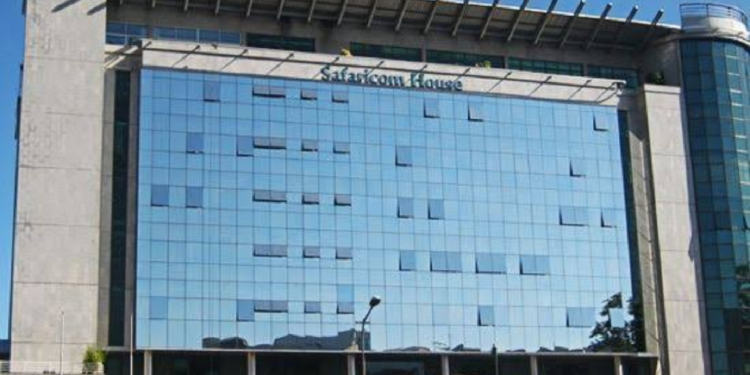
Safaricom HQ along Waiyaki Way. PHOTO/Business Today