

How to Pay Mombasa Port Charges and Clear Cargo in Kenya
Share

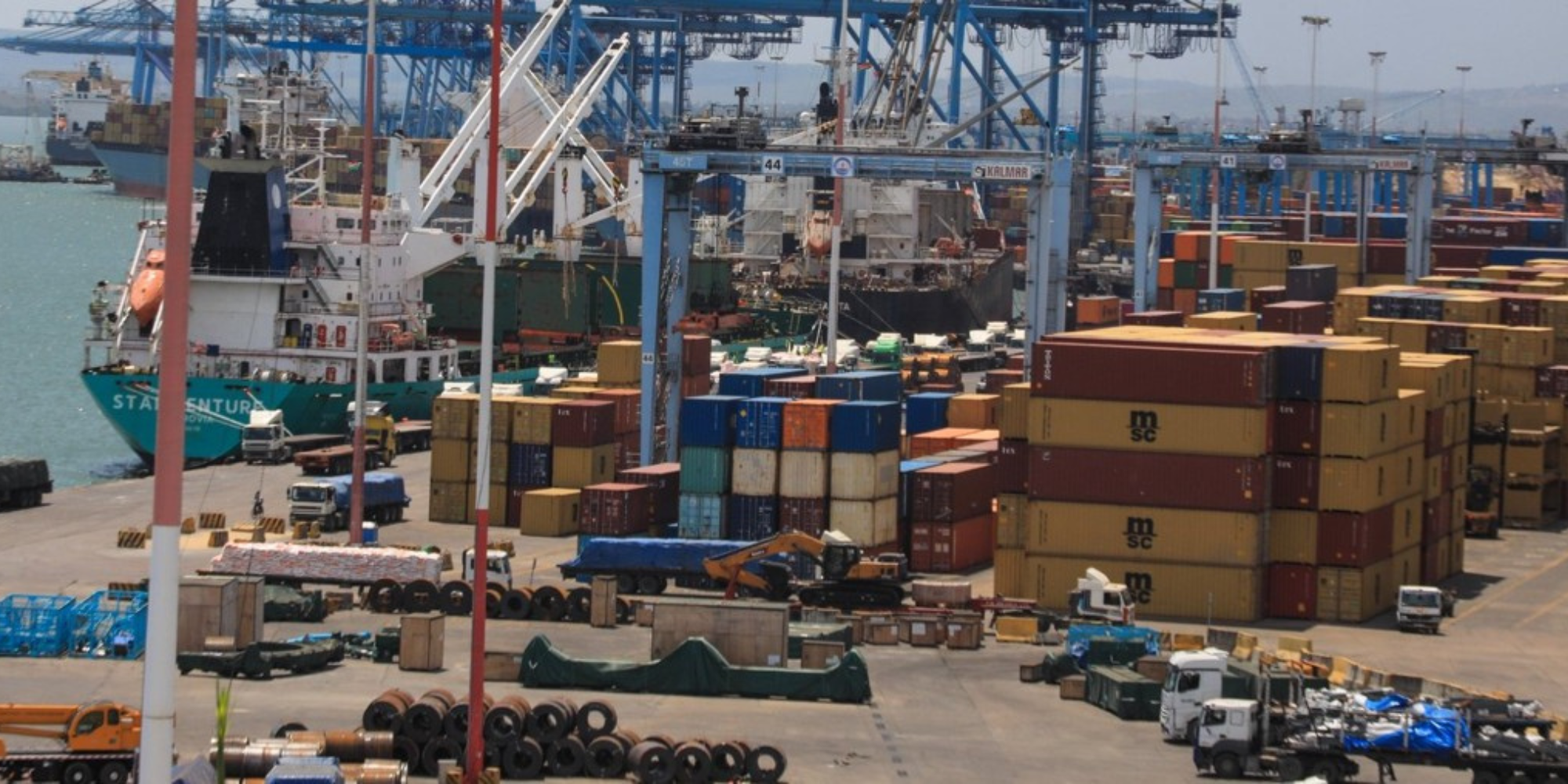
Shippers and cargo owners operating at the Port of Mombasa can now make payments for port fees, duties, and all associated charges through a digitized payment process, which aims to boost efficiency and eliminate delays in the release of cargo from the port.
There are many steps involved in the process, including working with a licensed clearing agent, paying KPA charges, paying KRA customs duties and obtaining approval before releasing the cargo.
According to the law, importers are not allowed to lodge customs entries and clear their cargoes without the services of a licensed Clearing and Forwarding Agent.
Some of the documents that the agent handles include the Bill of Lading, Import Declaration Form (IDF) and commercial invoice, among others, to generate payment references.
Clearing agents issue the electronic invoice or the Payment Registration Number (PRN) used during the payment of customs obligations.
Upon completion of the document processing, importers can pay for the different charges associated with their cargo.
Steps for Making Payment of Port Charges at Mombasa Port
The first step entails using a registered clearing agent that will oversee the customs clearance process on behalf of the cargo owner.
The agent will ensure that the cargo details are correctly submitted and will also provide the proper payment instructions to the importer.
The second step entails paying the charges by Kenya Ports Authority, which include wharfage, storage, cargo handling, and other port-related charges.
Charges of the KPA can be paid directly from the corporate bank accounts of customers who are account holders of the KPA.
Alternatively, payment can be made through the KPA payments portal using the M-Pesa Paybill number 929929 by providing your customer or invoice number.
The third step involves making a payment to the Kenya Revenue Authority of the customs duties and tax.
Payments for import duties can be done via the eCitizen website, whereby one signs into his eCitizen account, navigates to his customs entry, and selects the modes of payment that are available.
An importer may also make payments via the iTax portal of the Kenya Revenue Authority using the Payment Registration Number provided after assessment.
Tax payments can be made via the M-Pesa Paybill number 572572.
Also Read: How to Register as a KPA Port User: Requirements, Documents and Process Explained
Making Payments via the eCitizen Portal
The eCitizen portal has enabled importers and clearing agencies to access a number of government services at one digital location rather than depending on a variety of separate systems.
In the first place, users need to log in or sign up at the eCitizen portal through their credentials.
Users will have to create an account through the use of their Kenyan identification data.
Once logged in, users have to go to the “Search or Browse Services” section and select the Kenya Ports Authority service type.
Then, the system will generate an invoice or payment reference, which is an important document providing information on the cargo, like the number of containers or the manifest information.
This reference will be used during the payment process.
Payments can be made through the use of M-Pesa by providing the Paybill number 222222 of the eCitizen, bank transfers, mobile banking services, or any other available payment method.
An electronic receipt will be generated after completing the payment process and users will have to download or print it.
The last step is showing the evidence of payment to the clearing agency or the port authority.
Once all required payments are verified, the cargo release order, the delivery order, and the gate pass can be issued.
Also Read:How to Register a Business in Kenya Online: Full eCitizen Guide
Significance of the Mombasa Port to Regional Commerce
Mombasa Port continues to be the largest port in Kenya, as well as an important entry point for commerce in East and Central Africa.
Strategically located at the Indian Ocean coast, the port caters to Kenya and its neighbouring landlocked states, such as Uganda, Rwanda, South Sudan, and parts of the Democratic Republic of Congo.
This port is under the management of the Kenya Ports Authority and operates as a transit point for containers, automobiles, fuel, and other bulk cargo due to its deep natural harbour.
It is linked to the Standard Gauge Railway network and other transportation networks within the country.
Follow our WhatsApp channel for instant news updates
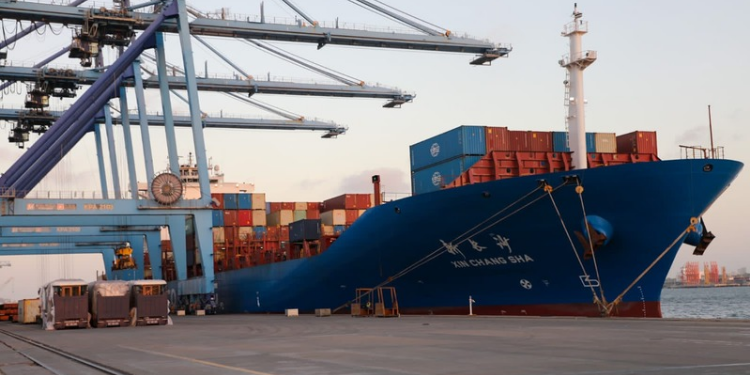
The image shows a container vessel docked at the port of Mombasa
Image/KPA/X