Kenya on Alert as UN Predicts High Chance of El Niño
Share
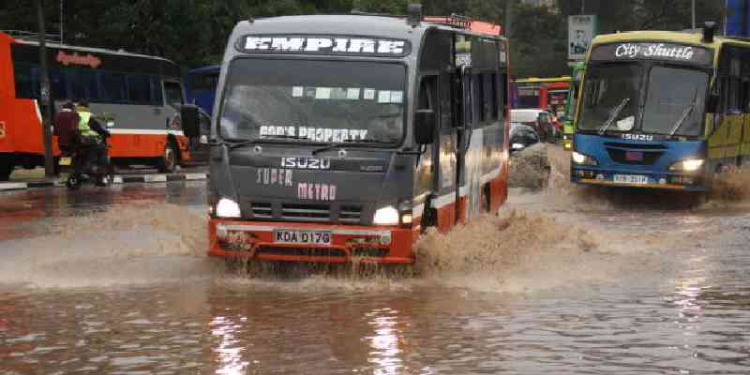
The United Nations weather agency has warned that an El Niño weather pattern could develop in the coming months, potentially affecting Kenya and many other countries.
In an update released on Tuesday, June 2, 2026, the World Meteorological Organisation (WMO) said there is an 80% chance that El Niño conditions will develop between June and August this year. The probability that the event will continue until at least November is above 90%.
Reacting to the forecast, UN Secretary-General António Guterres urged countries to prepare for the possible impacts.
“The science is clear: El Niño is arriving on our doorstep in the coming months with 90% certainty. The world must treat it as the urgent climate warning it is,” Guterres said.
UN Warns of Possible El Niño Return
He warned that El Niño would make the effects of global warming worse and could lead to more extreme weather events around the world.
According to Guterres, the impacts could become more severe, spread further across regions, and cross borders rapidly.
Also Read: Kenya Met Lists Regions Expected to Receive Rainfall Between June 2 and 8
The UN chief called for stronger climate action, including a faster transition to renewable energy, protection of vulnerable communities, and wider access to early warning systems.
WMO Monitoring Conditions
According to the WMO, most climate models indicate that the El Niño event is likely to be moderate or even strong, although there is still some uncertainty about its exact strength and timing.
WMO Secretary-General Celeste Saulo said the organisation would closely monitor weather conditions and continue providing forecasts to help governments and communities prepare.
“The WMO community will be carefully monitoring conditions in the coming months to inform decision-making by governments, humanitarian agencies, and climate-sensitive sectors,” Saulo said.
She added that seasonal forecasts and early warning systems are essential for saving lives and reducing the impact of extreme weather on economies and communities.
About El Niño
El Niño is a natural climate pattern caused by warmer-than-normal sea surface temperatures in the central and eastern Pacific Ocean. It usually occurs every two to seven years and lasts between nine and twelve months.
For countries within Africa, El Niño is often associated with above-average rainfall and a higher risk of flooding.
Also Read: Kenya Met Lists Areas to Experience Rainfall in the Last Weekend of May
Previous El Niño events have triggered floods that displaced families, damaged roads and infrastructure, and increased the spread of waterborne diseases in parts of the region.
The WMO noted that the effects of El Niño vary from one region to another. While it often brings wetter conditions to the Horn of Africa, it can cause drought in places such as Australia, Indonesia, Central America, and parts of southern Asia.
The agency also said there is no evidence that climate change makes El Niño events more frequent or stronger.
However, rising global temperatures can amplify their impacts by increasing the amount of heat and moisture in the atmosphere, making extreme weather events such as heavy rainfall and heatwaves more likely.
Follow our WhatsApp channel for instant news updates
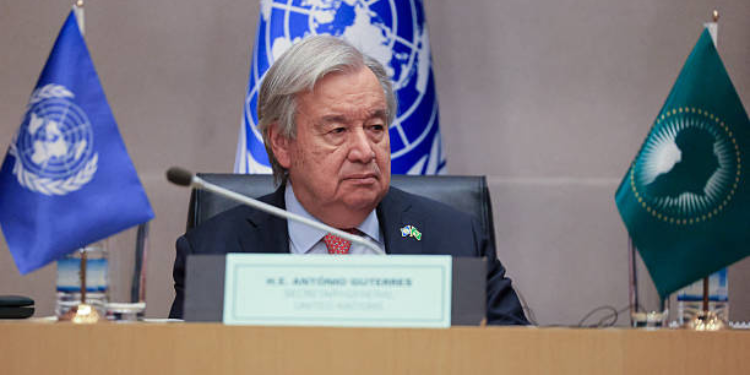
UN Secretary-General Antonio Guterres, during a trilateral meeting held in Addis Ababa on May 13, 2026
PHOTO/UN Spokesperson