Kenya Railways Sends Message to Nairobi Residents Amid Matatu Strike
Share
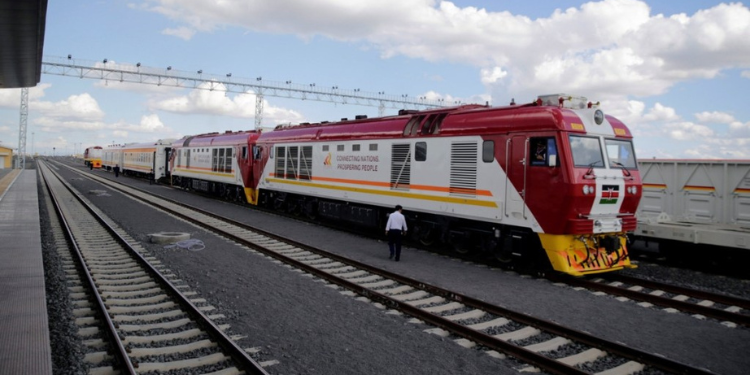
Kenya Railways has reaffirmed the importance of the Nairobi Commuter Rail service as a reliable alternative to the ongoing matatu strike.
The commuter rail runs key routes linking Ruiru, Syokimau, Embakasi and Lukenya to Limuru offering city workers and students an affordable and stress-reducing travel option away from daily traffic.
The service reduces pressure on Nairobi’s roads, cuts travel times, and supports a cleaner, more efficient urban environment.
“Every train journey helps ease pressure on our roads, cuts travel time, and supports a cleaner, more efficient city,” Kenya Railways said, encouraging residents to “ride the rail, move smarter, and keep Nairobi moving.”
What’s Causing Traffic Chaos Today? Matatu Strike Disrupts Nairobi Transport
Traffic in Nairobi was severely disrupted on Monday, February 2, 2026, as sections of matatu operators either stayed off the roads or staged road blockades ahead of and during peak travel hours.
The situation unfolded amid conflicting statements from transport leaders about whether a nationwide strike was proceeding or had been suspended.
Despite an official notice issued on Sunday by the Federation of Public Transport Sector (FPTS) announcing a suspension of the strike after consultations with authorities and boda boda leadership, many matatu operators defied the suspension and withdrew services.
Also Read:Matatu Strike Leaves Passengers Stranded Across Nairobi
Major Roads Blocked; Commuters Stranded
Commuters were left stranded, and traffic snarled across key transport corridors throughout the city:
- Thika Super Highway-Significant delays with vehicles barely moving.
- Waiyaki Way and Outer Ring Road-Matatus and some private vehicles parked across lanes or placed obstacles on carriageways, grinding movement to a halt.
- Outering Road at Kariobangi Roundabout- Complete standstill as operators blocked this vital link connecting eastern and northern suburbs.
Long queues built up at bus stops across estates as passengers struggled to find alternative transport.
Many resorted to boda bodas, ride-hailing services, or walking long distances to reach work or return home.
Also Read: Government Responds to Reports of Street Families’ Burial at Lang’ata Cemetery
Underlying Causes of the Strike and Operator Grievances
Operators have cited rising insecurity on Kenyan roads, including attacks and harassment by boda boda riders and repeated cases of public service vehicles being torched, as key issues affecting their industrial action.
Although transport sector leaders held consultations and announced a strike suspension for dialogue, sections of the matatu industry, particularly some owner groups, maintained that the action would go on until government intervention improved safety and law enforcement.
With roads severely disrupted, police were deployed in large numbers across major junctions, attempting to direct traffic, remove blockages, and enforce order, including removing number plates from vehicles obstructing public roads.
Rail as an Alternative: The Commuter Rail Advantage
Today’s disruptions have highlighted the growing need for reliable alternatives to road transport.
The Nairobi Commuter Rail provides a smoother, more predictable commute for those headed to or from work, helping residents avoid the stress of prolonged traffic jams.
It also supports broader goals of easing road congestion and promoting sustainable urban mobility.
With ongoing debates over transport reforms and expanding rail services, many residents are calling for increased investment and awareness of rail as a dependable backbone of the city’s transport ecosystem.
Follow our WhatsApp channel for Instant News Updates

The image shows vehicles at stall…no ongoing operations
PHOTO /File