

Kenya, Uganda and Tanzania Finance Ministers to Present Budgets Amid Middle East War Fears
Share


East African finance ministers in Kenya, Uganda and Tanzania are set to deliver their fuel budgets for 2026/27 to their respective parliaments on Thursday, June 11, 2026.
Several markets and investors are keen to gauge their plans to cushion their economies against potential oil price shocks stemming from the conflict in the Middle East.
The region is highly exposed due to its dependence on petroleum and fertilizers that are largely imported, and a half percentage point reduction was made to the African Development Bank’s growth forecast for the region in 2026.
Kenya’s Finance Minister John Mbadi is set to face the following challenge of large debt repayments;
- Sluggish economic growth.
- Temporary reduction in petroleum taxes.
- A Yawning fiscal deficit for the country.
Also Read: Gulf Energy Announces Job Opportunities for Kenyans: How to Apply
Economic Challenges and Fiscal Policies Being Discussed
“Treasury has consistently underperformed budget targets in recent years and the fiscal balance has remained in a primary deficit, insufficient to stabilize public debt and restore market confidence,” stated Andrew Matheny, senior economist at Goldman Sachs.
Markets are looking for an indication of a more credible fiscal path and Matheny expects them to look for evidence of a more credible fiscal path forward, consisting of either spending cuts or genuine revenue measures that narrow the deficit.
The finance ministry anticipates a budget deficit of 5.4% of GDP in the fiscal year, down from the estimate of 6.4% in 2026.
President William Ruto is looking for re-election in August 2027, and he mentioned that his administration had avoided a debt default during the first two years of their term, encouraging stronger tax enforcement.
However, government departments have indicated funding delays, and households have lamented the impact of increased taxation on their disposable incomes.
Also Read: Breaking Down the Real Cost of Hosting the World Cup
Economic Strain on Uganda Due to Rising Fuel Prices and the Broader Implications for Kenya and Tanzania
Uganda, a neighbor to Kenya, is also under strain, with analysts warning that the fuel price shock from the Iran conflict may pressure the country’s budget plans.
“We should not assume a back-to-normal trend, so it’s important that we have a shock mitigation measure,” said Enock Nyorekwa Twinoburyo, an economics lecturer at Makerere University.
He also commented that the “higher oil prices have driven up demand for foreign currency, and that has manifested in foreign exchange shock.”
The three countries’ fiscal years run from July to June, and investors will want to ascertain the credible measures they have implemented to keep the deficits under control while also taming inflation and currency volatility.
Follow our WhatsApp channel for instant news updates
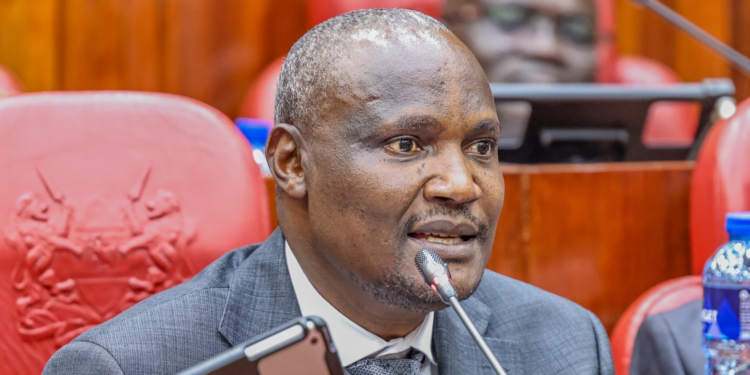
Finance Minister John Mbadi faces the challenge of balancing high debt repayments, slowing growth, a temporary cut in petroleum taxes, and a wide fiscal deficit. PHOTO/TCS