
MPs, Tax Experts Push VAT Law Changes to Speed Up Refunds and Boost E-Mobility Sector
Share

Members of the National Assembly’s Finance and National Planning Committee have intensified calls for reforms to Kenya’s Value Added Tax framework.
The issues arose during stakeholder consultations for the Finance Bill, 2026, conducted in Kiambu County on Friday May 22.
Parliamentarians and tax analysts observed that the current VAT zero-rating system is becoming less efficient since delays in payment of refunds are making it difficult for businesses to operate, while at the same time creating gaps that are being abused for fraud valued in millions of shillings.
The debate largely centered on whether Kenya should retain zero-rating or shift more products to VAT exemption status to reduce pressure on the government.
Committee member Peter Kaluma voiced concern over the mounting financial burden linked to VAT refunds, revealing that the Kenya Revenue Authority requires at least Ksh 50 billion to settle outstanding claims.
“I am a strong supporter for Value Addded Tax (VAT) exemption rather than zero-rating which imposes a huge burden to the government every year. With VAT exemption rather than, you do not claim anything from the government,” he stated.
Push to Protect Kenya’s Expanding Electric Mobility Industry
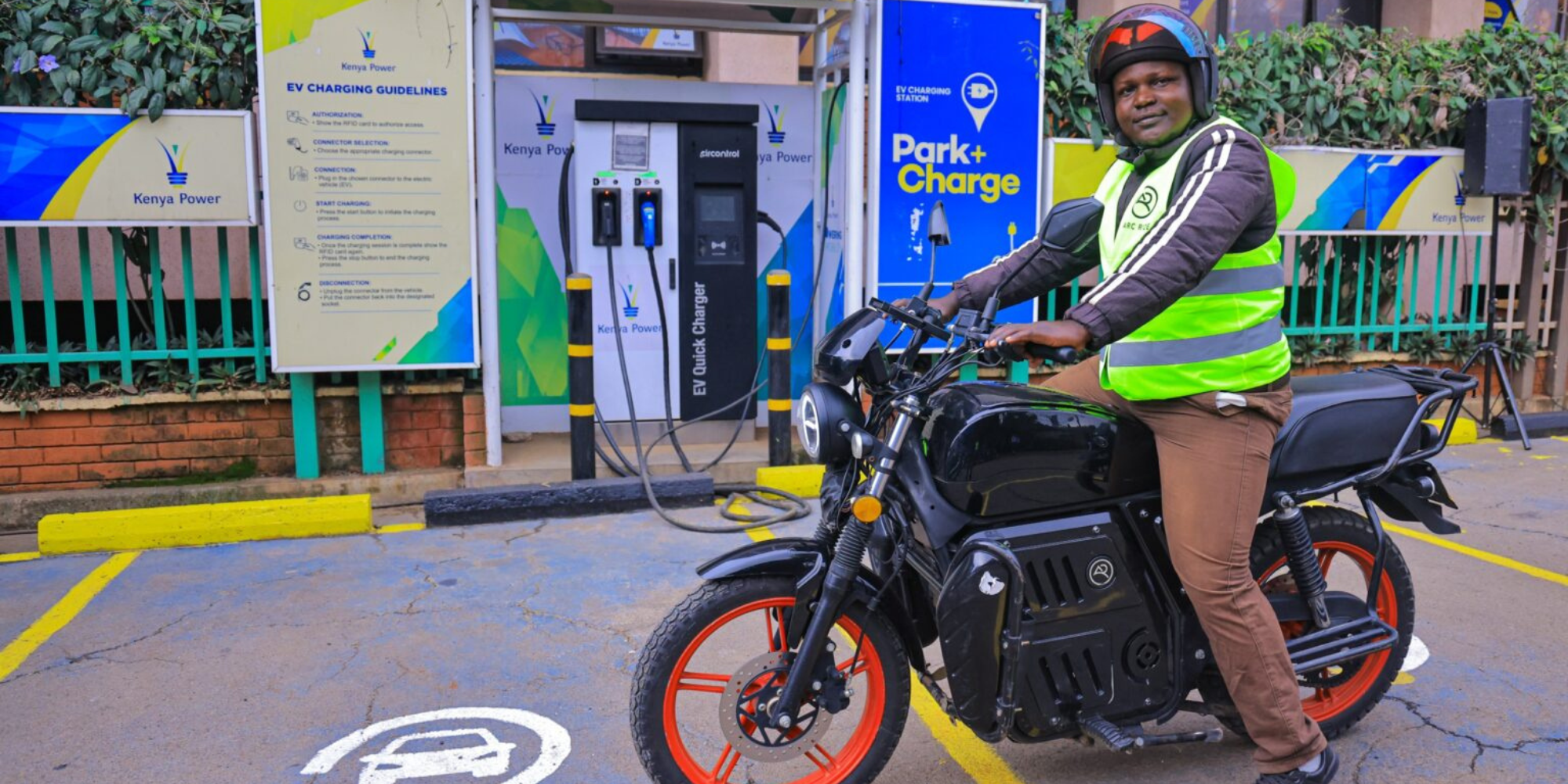
The discussion gained momentum after tax and business advisory firm Ichiban opposed a proposal in the Finance Bill seeking to remove zero-rated VAT status from electric bicycles, electric motorcycles, and buses.
The company cautioned that the proposal could derail Kenya’s rapidly growing electric mobility sector, which has become a significant source of employment and environmental innovation.
According to the firm, the sector has seen remarkable growth in recent years due to supportive tax incentives and policy direction.
“Hon. Members, Kenya’s electric vehicle (EV) market is experiencing a massive surge, with cumulative registrations skyrocketing by over 2,700 per cent from 1,378 units in 2022 to 39,324 units in 2025,” Ichiban representative Christine Nderitu said.
“This rapid adoption is heavily driven by the e-mobility sector; as of February 2026, electric motorcycle sales accounted for an estimated 15 per of all new bike registrations, a major leap from just 7.1 per cent in 2024,” Nderitu added.
Stakeholders maintained that preserving tax incentives for electric mobility aligns with Kenya’s National Electric Mobility Policy and the government’s Bottom-Up Economic Transformation Agenda (BETA), both of which seek to encourage green growth and youth employment.
Also Read:Electric Vehicle Surge Drives KPLC to Ksh 382M Charging Revenue
Legislators Split on VAT Exemption and Zero-Rating
While lawmakers acknowledged the importance of supporting electric mobility, some members maintained that VAT exemption would offer a more sustainable fiscal alternative than zero-rating.
Session Chair David Mboni said previous engagements with former Treasury Cabinet Secretary Njuguna Ndung’u had revealed that only a handful of firms account for the majority of VAT refund claims.
“I support e-mobility. In fact that is the way to go for this county, but we have a serious refund challenge,” Mboni remarked.
However, Ichiban’s Robert Waruiru argued that the issue lies not with zero-rating itself, but with weaknesses in the legal and administrative systems governing refunds.
“We cannot run away from the fact that there is a problem of refunds. It is very likely that the problem emanates from the legal architecture of this provision. In Ethiopia you get your refund in 30 days, the same as in Rwanda where delayed refunds are paid with interest,” he explained.
Waruiru also criticized Kenya’s cumbersome refund approval process.
“Reimbursement must pass through multiple bureaucratic stages involving the Exchequer and the Controller of Budget before payments are released,” Waruiru noted.
Also Read:Private Sector Urges Kenya, Tanzania to Remove Trade Barriers, Fast-Track Integration
Businesses Warn of Economic Impact from Delayed Refunds
Further pressure for reform came from Alpha Tax and Business Advisory Services founder Christine Kahema Muthui, who told MPs that billions of shillings owed to businesses remain tied up in delayed tax reimbursements.
She disclosed that KRA currently owes taxpayers Ksh 32.9 billion in pending refunds, while another Ksh 14.5 billion has already been processed but remains unpaid.
Muthui also highlighted Ksh 9 billion in unused tax offset vouchers that became inaccessible after the National Treasury suspended the arrangement.
“Hon. Chair, delay in disbursing these refunds has a multiplier effect and has brought down some businesses. We should adopt measures to allow securitization of refunds. In some countries refunds are traded in the stock exchange,” Muthui told the committee.
“It is not fair to lock incomes that would have been allowed into the economy and spurred growth,” she added.
She proposed amendments to the Public Finance Management Act to allow KRA to retain refund allocations directly from collected revenues before remitting the balance to the Consolidated Fund.
Committee member Julius Rutto acknowledged the seriousness of the situation, saying the National Treasury has not been adequately allocating funds for VAT reimbursements.
“KRA are finding it difficult to use the money they collect to fund refunds, because the National Treasury does not budget for the refunds,” Rutto observed.
The parliamentary committee resolved to convene a joint engagement involving stakeholders and the National Treasury to explore long-term solutions to the refund crisis.
Meanwhile, stakeholders welcomed a separate Finance Bill proposal seeking to eliminate VAT on drinking water, describing it as a progressive move aimed at easing the cost of living.
“I am happy that after 4 years of advocating for the removal of VAT on drinking water, the National Treasury has moved to consider our proposal,” Muthui told lawmakers.
Follow our WhatsApp channel for instant news updates

MPs propose Ksh 3,000 monthly stipend for 110,000 village elders to support peace-building and grassroots security work .PHOTO/PK FB