

Story of Jacinta Mwatela: The Woman Who Said No to Kibaki
Share

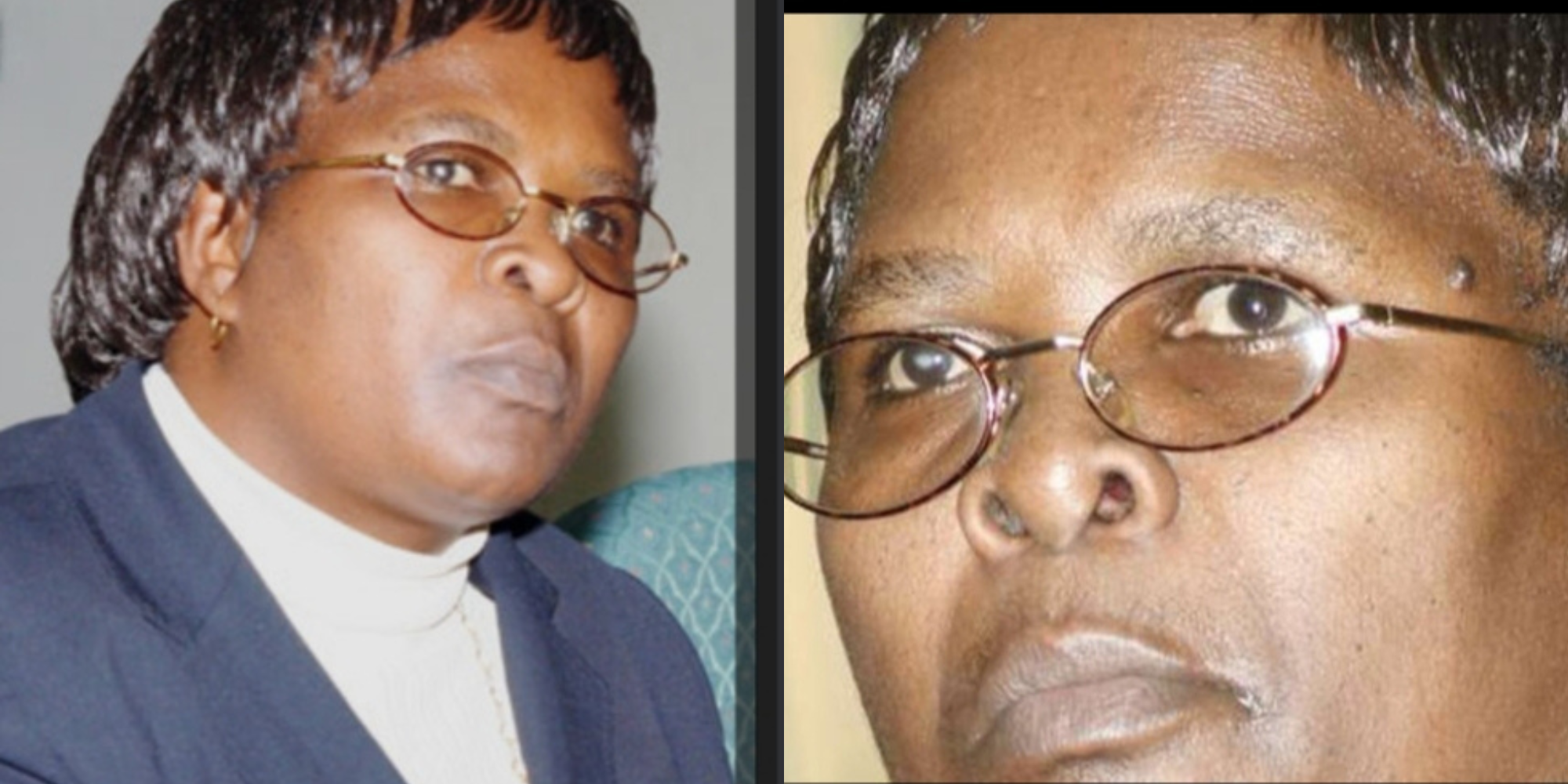
For decades, Jacinta Mwatela worked quietly behind the scenes at the Central Bank of Kenya (CBK).
But when Kenya faced some of its biggest corruption scandals, she emerged as one of the country’s most respected public servants.
Known for her firm stand on integrity and procedure, Mwatela built a reputation for refusing to approve deals she believed were irregular, even when powerful figures pushed for them.
Her actions earned her praise from many Kenyans and made her a symbol of principled public service.
Mwatela joined the Central Bank of Kenya in 1977 as a graduate trainee. Over the years, she worked in several departments and steadily rose through the ranks.
In 2005, she became the first woman to be appointed Deputy Governor of the Central Bank of Kenya.
The following year, she served as Acting Governor, making history as the first woman to hold the position.
Her colleagues and observers often described her as independent, professional, and unwilling to bend rules for political or personal interests.
Standing Firm During the Goldenberg Scandal
Mwatela gained national attention during investigations into the Goldenberg scandal, one of Kenya’s largest corruption cases.
As a senior official in the Exchange Control Department, she questioned payments and procedures linked to the controversial export compensation scheme.
During later investigations, she provided evidence and maintained that officials should be held accountable for decisions made under their authority.
Her testimony helped investigators understand how the scheme operated within government institutions.
Her famous remark that raising concerns with her superiors was like “playing a guitar to a goat” became one of the most memorable moments of the inquiry.
Also Read: Politician Narrates How Her Brother Died While Defending Orengo
Jacinta Mwatela and the De La Rue Currency Printing Dispute
Years later, Mwatela again found herself at the centre of controversy over a proposed currency printing deal involving De La Rue.
As chair of CBK’s tender committee and deputy governor, she questioned procurement procedures and opposed what she believed were irregular attempts to award contracts.
Parliamentary records show she strongly opposed procurement processes she felt did not comply with the law.
Her stance reportedly put her at odds with powerful interests within government and the banking sector.
Rejecting a Presidential Appointment
In September 2008, President Mwai Kibaki appointed Mwatela as Permanent Secretary in the Ministry of Northern Kenya and Arid Lands.
Instead of accepting the promotion, she publicly declined the appointment and reported back to CBK. She argued that her transfer was irregular because her contract as deputy governor had not expired.
She also suggested that the move was linked to her opposition to the currency printing deal.
The decision shocked many Kenyans because few senior public officials had ever turned down a presidential appointment.
Also Read: Kenya Power Announces Planned Power Interruptions in Several Counties on June 4
A Life Guided by Simplicity
Years after leaving public service, stories about Mwatela’s modest lifestyle continue to surface.
Recently, her son, Kikonde Mwatela, shared a personal memory on social media. He recalled that when his mother became the acting CBK governor, she was assigned an official Range Rover but rarely used it because she preferred driving her old Peugeot 504.
According to him, she only got rid of the Peugeot a few years ago and still drives one of his cars today.
He said her example taught him the value of independence and living without being beholden to anyone.
Her legacy continues to inspire many Kenyans who believe integrity and accountability should remain at the heart of public service.
Follow our WhatsApp channel for instant news updates

Jacinta Mwatela, together with her son Kikonde Mwatela. PHOTO/Mwatela