Trump Says No Fees Will Apply in Strait of Hormuz Under 60-Day Truce
Share
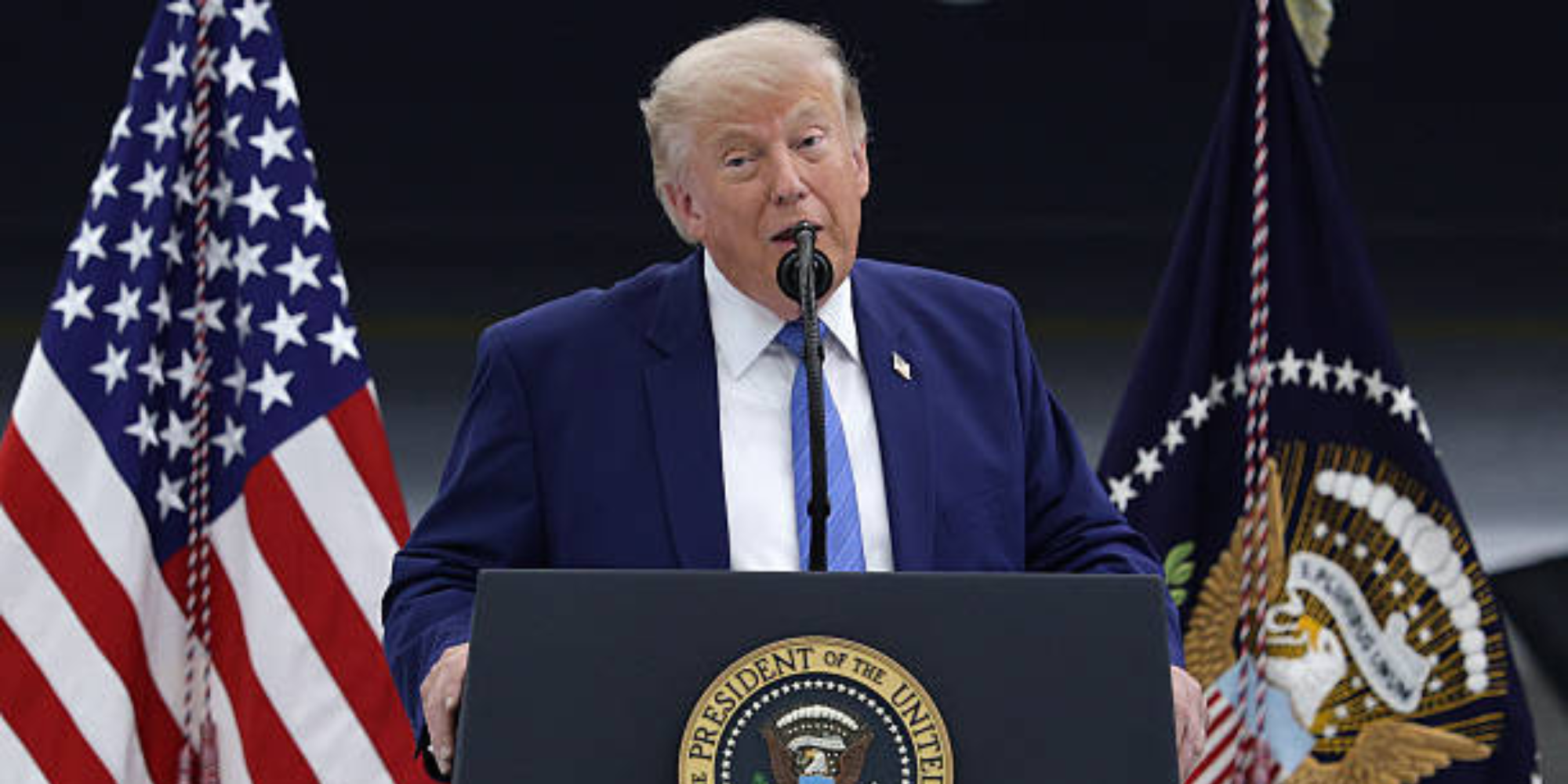
US President Donald Trump has declared that no tolls will be charged for ships passing through the Strait of Hormuz during the ongoing 60-day ceasefire period with Iran.
Trump announced on Saturday, June 20, through a social media post, just hours after Iran announced the closure of the strategic waterway, one of the world’s most important oil and shipping routes.
Previous reports indicated that Iran had considered charging ships to use the Strait of Hormuz after the ceasefire period ends, a proposal strongly opposed by the United States.
Trump and senior US officials have repeatedly insisted that the waterway should remain open and toll-free.
The Strait of Hormuz connects the Persian Gulf to the Gulf of Oman and carries a significant share of the world’s oil and gas exports.
Any disruption in the route can have major consequences for global energy markets.
Trump Delivers Message on the Strait of Hormuz
In his post, Trump insisted that ships should continue to enjoy toll-free passage through the waterway during the ceasefire period.
“There will be NO TOLLS in the Hormuz Strait for 60 days during the Cease Fire Period.”
He further stated that no tolls would be imposed after the 60 days unless the United States decided to introduce them if ongoing negotiations failed.
Trump suggested that any future charges would be intended to compensate the United States for what he described as its role in protecting shipping routes and maintaining stability in the Middle East.
Also Read: Blow to Trump as Iran Closes Strait of Hormuz Amid Peace Talks
Iran Closes Strait of Hormuz
Trump’s comments came after Iran’s Khatam al-Anbiya Central Headquarters announced the closure of the Strait of Hormuz.
Iranian authorities said the move was a response to what they described as violations of a ceasefire agreement by the United States and Israel.
The Islamic Revolutionary Guard Corps (IRGC) Navy later warned ships against approaching the waterway and said the closure applied to all vessels.
Tehran accused Israel of continuing military operations in Lebanon and argued that Washington had failed to ensure compliance with ceasefire commitments.
Iranian officials described the closure as the “first step” in a broader response and warned that additional measures could follow if the situation worsens.
Also Read: Iran Reopens Strait of Hormuz After Signing Agreement With Trump
Peace Talks Continue in Switzerland
Despite the renewed tensions, diplomatic efforts between Washington and Tehran are continuing.
US and Iranian officials are expected to meet in Switzerland as part of negotiations aimed at transforming a recently signed memorandum of understanding into a broader peace and nuclear agreement.
Reports indicate that US Special Envoy Steve Witkoff is participating in the talks, while Iranian Foreign Minister Abbas Araghchi is expected to join the discussions.
US Vice President JD Vance recently said the 60-day negotiation period had officially begun and expressed optimism about the prospects for a final agreement.
The talks follow a US-Iran agreement reached earlier this month with support from regional mediators.
The arrangement provides a 60-day window for both sides to negotiate a wider deal focused on reducing tensions, addressing Iran’s nuclear programme, and ensuring the free movement of ships through the Strait of Hormuz.
Follow our WhatsApp channel for instant news updates

Vessels seen at the Strait of Hormuz from Musandan Oman on June 15
PHOTO/The Guardian