

When Protection Fails: Kenya’s Femicide and Child Safety Crisis
Share

By Dr. Luchetu Likaka
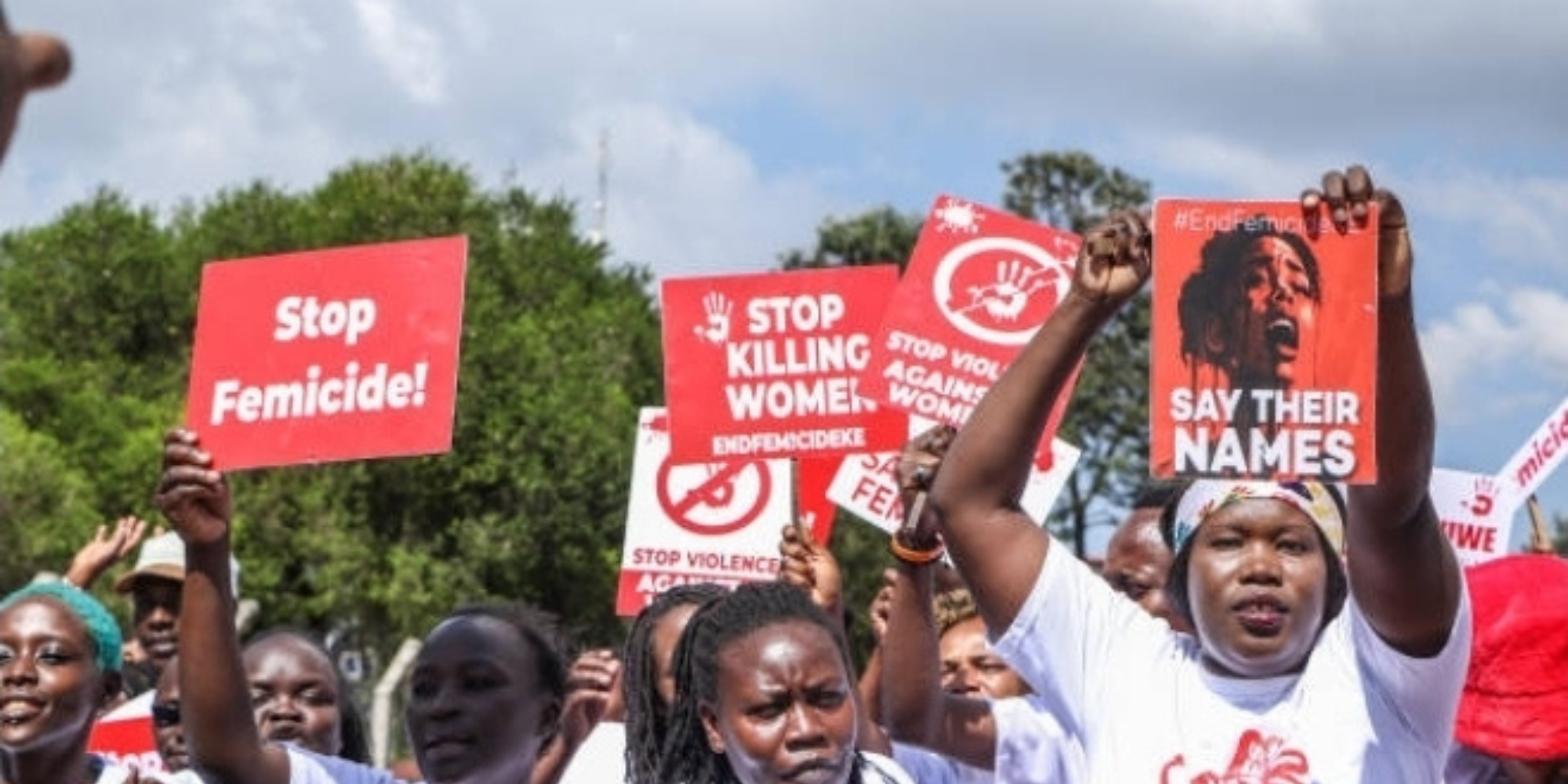
Femicide and child safety no longer stand as separate concerns in Kenya; they now signal a deepening protection crisis.
Rising cases of women killed under violent circumstances, alongside increasing reports of missing children, kidnapping, trafficking, and exploitation, reveal a troubling pattern.
Each incident raises urgent questions about whether institutions mandated to protect citizens are responding effectively enough.
As these cases continue to surface, they steadily erode public confidence in state protection systems.
At the same time, the urgency surrounding femicide and child safety has drawn scrutiny toward key institutions such as the State Department for Children Services, the Directorate of Criminal Investigations (DCI), and the National Intelligence Service (NIS).
Although these agencies operate under different mandates, they collectively anchor Kenya’s protection and security framework.
Consequently, many Kenyans now question whether gaps in prevention, intelligence gathering, investigation and coordination allow these crimes to persist.
Strengthening Systems for Femicide and Child Safety
In particular, the State Department for Children Services oversees child protection systems, rehabilitation services, and safeguarding interventions.
Kenya has enacted progressive legal frameworks, including the Children Act, to protect vulnerable populations.
However, weak implementation and inconsistent enforcement continue to undermine these efforts.
Rising cases of child disappearances and trafficking expose these failures and deepen concerns around femicide and child safety.
Also Read: Femicide and Child Kidnappings: We Must Treat This Crisis as a National Disaster
Investigative Gaps and Response
Similarly, the Directorate of Criminal Investigations has established specialized units to combat trafficking, exploitation, and gender-based violence.
The agency conducts investigations, carries out rescue operations, and supports prosecutions. Even so, many citizens believe the agency reacts more than it prevents.
Criminal networks operate for long periods, exposing weaknesses in surveillance, intelligence use, and early disruption; gaps that directly affect femicide and child safety outcomes.
In addition, the National Intelligence Service plays a critical role in detecting and disrupting organized crime.
Criminal networks involved in femicide and child safety threats rely on recruitment systems, transport routes, digital platforms, and financial coordination.
Effective intelligence work must identify and stop these operations early, before they escalate into violence or exploitation.
Rising Cases, Delayed Intervention
Meanwhile, increasing reports of child disappearances and exploitation continue to alarm the public.
Each case reflects a child separated from family and exposed to harm.
At the same time, recurring femicide cases reinforce a harsh reality—institutions often intervene too late.
These patterns expose systemic delays in addressing femicide and child safety threats.
Beyond statistics, femicide and child safety reveal clear institutional strain.
Despite constitutional protections and laws addressing gender-based violence and child protection, cases continue to trigger national outrage.
Warning signs often emerge before violence occurs, yet systems fail to act in time. This failure leaves at-risk individuals exposed.
Consequently, institutions must shift from reactive responses to preventive action.
Authorities often step in after femicide occurs or after a child goes missing.
To reverse this trend, systems must strengthen community surveillance, integrate databases, expand digital monitoring, speed up reporting mechanisms, and improve intelligence sharing. Prevention must begin before harm occurs.
Also Read: Gender CS Clarifies Missing Children Data Amid Public Concern in Kenya
Breaking Institutional Silos
Furthermore, fragmentation across institutions weakens response efforts. Child protection agencies, investigators, intelligence units, border control, and victim support services often operate independently.
Criminal networks exploit these gaps. Effective responses require coordination, shared intelligence, and unified action to address femicide and child safety threats.
Importantly, acknowledging these challenges does not dismiss the efforts of officers working under pressure.
Many continue to serve with commitment despite limited resources.
However, institutions must evaluate whether they have adequate funding, technology, coordination, and structure to respond effectively to femicide and child safety risks.
A Call for Stronger Protection Systems
Looking ahead, Kenya must strengthen protection intelligence systems, expand monitoring of trafficking networks, improve rehabilitation infrastructure, and enhance coordination mechanisms.
Leaders must treat femicide and child safety as urgent, interconnected challenges that demand sustained action.
Ultimately, a nation’s safety depends on results, not promises.
Parents judge safety by whether their children return home. Communities judge protection by whether systems shield women and vulnerable populations from harm.
The persistence of femicide and threats to child safety shows that current systems fall short.
These questions are difficult but necessary. Kenya must build systems that prevent femicide and protect children before tragedy strikes. Stronger action now will save lives later.
Follow our WhatsApp channel for instant news updates
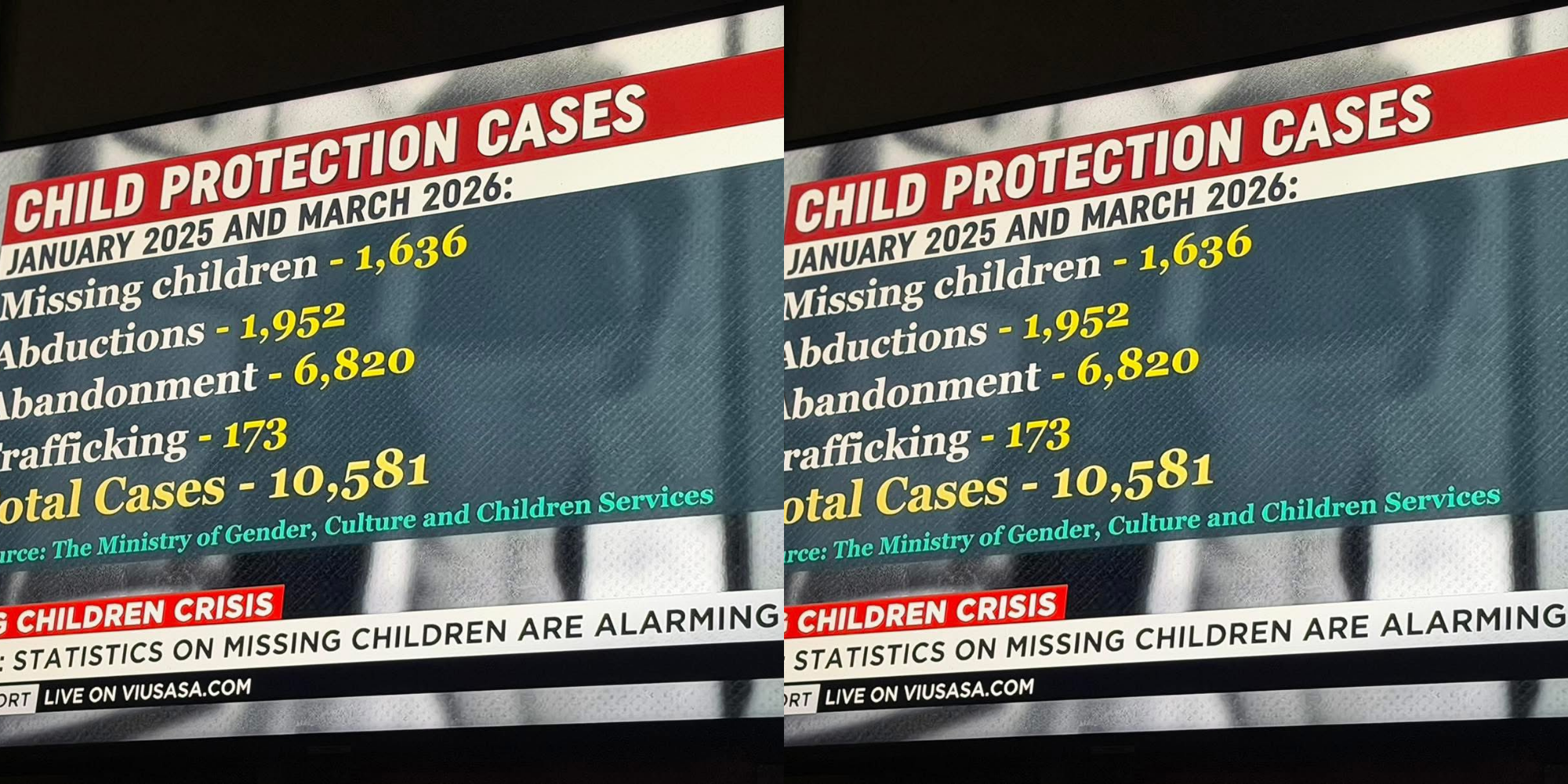
Child protection cases date published by the Ministry of Gender, Culture and Children Services. PHOTO/Screengrab