
Nigeria, Rwanda Issue Directives After WHO Declares Ebola Global Health Emergency
Share
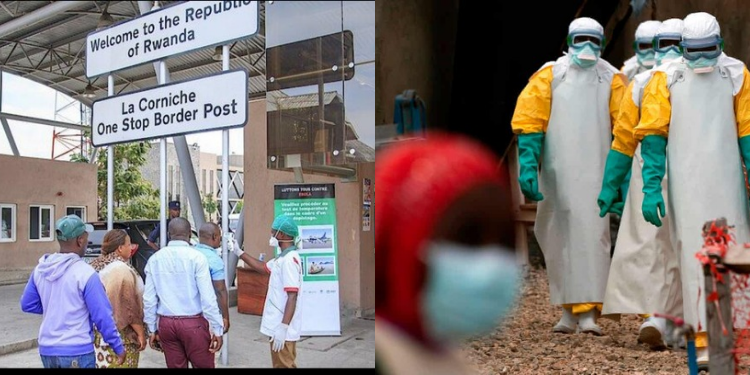
The World Health Organization (WHO) has classified the Ebola outbreak in the Democratic Republic of the Congo (DRC) as a Public Health Emergency of International Concern (PHEIC).
The outbreak has raised concern across the region, prompting neighbouring countries to tighten health security measures and issue public advisories.
Health authorities in both Nigeria and Rwanda say they are on high alert but stress that no cases have been confirmed in their territories.
Rwanda Confirms No Ebola Cases, Tightens Border Surveillance
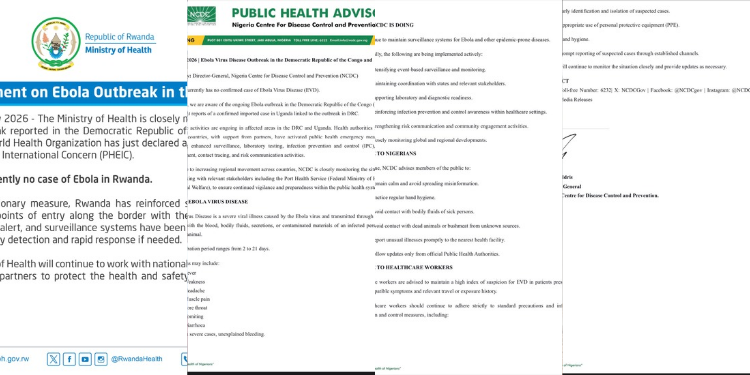
The Ministry of Health in Rwanda confirmed that there are currently no Ebola cases in Rwanda.
In a statement, the ministry said it is closely monitoring the situation in the DRC and has increased preventive measures, especially at border points.
It stated that surveillance systems have been strengthened to detect any suspected case early.
“We wish to inform the public that there is currently no case of Ebola in Rwanda,”the ministry said.
It added, “Reinforced screening and vigilance at all border points with the DRC have been put in place. Health teams are on standby for any suspected cases.”
Also Read:Duale Issues Directives to Counties Amid Ebola Outbreak Concerns
Ebola: Nigeria Rules Out Confirmed Cases, Boosts Preparedness
The Nigeria Centre for Disease Control and Prevention (NCDC) also confirmed that Nigeria currently has no Ebola cases.
However, it said it is actively strengthening surveillance, laboratory readiness, and infection prevention systems across the country.
The agency noted that it is working with state governments and partners to ensure early detection and rapid response.
The NCDC warned citizens to stay alert but calm.
“Nigeria currently has no confirmed Ebola cases but is aware of the outbreak in the DRC and a confirmed imported case in Uganda.”
“We continue to maintain surveillance systems for Ebola and other epidemic-prone diseases,”read part of the statement.
What Health Authorities Are Doing
Both countries have intensified preventive measures, including:
- Strengthening disease surveillance systems
- Increasing screening at border points
- Preparing health facilities for possible cases
- Training health workers on infection prevention and control
- Enhancing public awareness campaigns
Also Read:Govt Issues Warning to Kenyans After WHO Declares Ebola a Global Health Emergency
About Ebola Virus Disease
Ebola is a severe illness that spreads through direct contact with infected bodily fluids or contaminated materials.
Common symptoms include:
- Fever
- Headache
- Weakness
- Muscle pain
- Vomiting
- Diarrhoea
- In severe cases, unexplained bleeding
Public Urged to Stay Calm and Alert
Health authorities in both Nigeria and Rwanda are urging citizens to avoid misinformation and rely only on official updates.
They also advise strict hygiene practices and immediate reporting of unusual symptoms to health facilities.
Both governments say they will continue monitoring the situation closely in coordination with regional and international health partners.
Follow our WhatsApp channel for instant news updates
Nigeria, Rwanda Issue Directives After WHO Declares Ebola Global Health Emergency
PHOTO/Collage/Rwanda/Nigeria