
KCB Facilitates Ksh1.07 Trillion Fuel Imports Under Kenya’s G-to-G Deal
Share
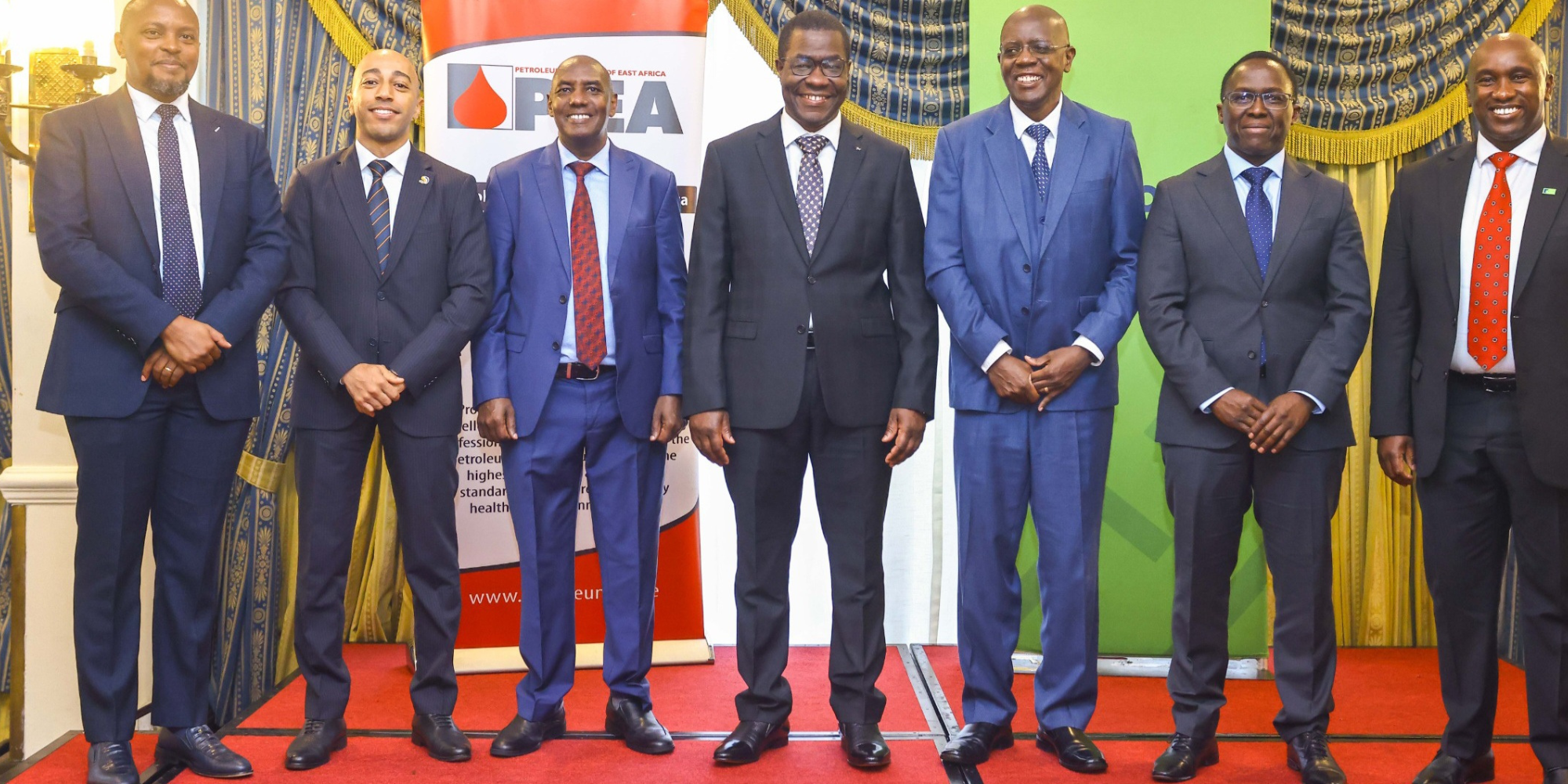
KCB Bank has revealed that it has issued Letters of Credit worth more than Ksh1.074 trillion under Kenya’s Government-to-Government (G-to-G) fuel import programme, positioning itself as one of the key financiers behind the country’s efforts to stabilise fuel supply.
Speaking during the Petroleum Institute of East Africa (PIEA) Q2 State of the Oil Industry Briefing in Nairobi on Monday, KCB Director of Corporate Banking Peter Ng’eno said the bank stepped in when Kenya faced significant fuel financing challenges in 2022.
According to Ng’eno, the country was grappling with mounting pressure on fuel imports, rising foreign-exchange demand, and the need to maintain a steady supply of petroleum products.
“The Government sought a financial partner capable of supporting a new importation framework that would stabilise fuel supply while easing pressure on the country’s foreign exchange reserves. KCB was ready to answer that call,” he said.
Financial Systems
Ng’eno said the experience showed the importance of strong financial systems in safeguarding the country’s energy security, noting that access to reliable financing is as critical as physical fuel infrastructure in ensuring uninterrupted supply.
He also observed that financial institutions have an increasingly important role in supporting energy supply chains, particularly during periods of global market volatility.
Also Read: Who Is Abdi Mohamed? Meet the Absa Bank Kenya CEO Who Has Resigned
The KCB executive also cited recent tensions in the Middle East as a reminder of the vulnerabilities of countries that rely on imported petroleum products.
Additionally, he said disruptions along major shipping routes can quickly drive up costs, insurance premiums, foreign exchange demand, and working capital requirements for importers.
East Africa Energy
Despite the challenges, Ng’eno said East Africa has an opportunity to strengthen its energy resilience by investing in a diversified energy mix that supports industrial growth while embracing cleaner and more efficient energy sources.
He noted that KCB is developing financing solutions to support investments in renewable energy and other emerging technologies, saying such investments will be key to meeting the region’s growing energy demand and improving long-term economic competitiveness.
Also Read: Global Oil Prices Fall Below Ksh 9066 Per Barrel, Raising Hopes for Cheaper Fuel
Ng’eno added that strengthening the region’s energy sector will require collaboration between governments, industry players and financial institutions.
He further said governments should continue implementing enabling policies while the private sector invests in innovation and financial institutions provide the capital needed to support sustainable growth.
Follow our WhatsApp channel for instant news updates
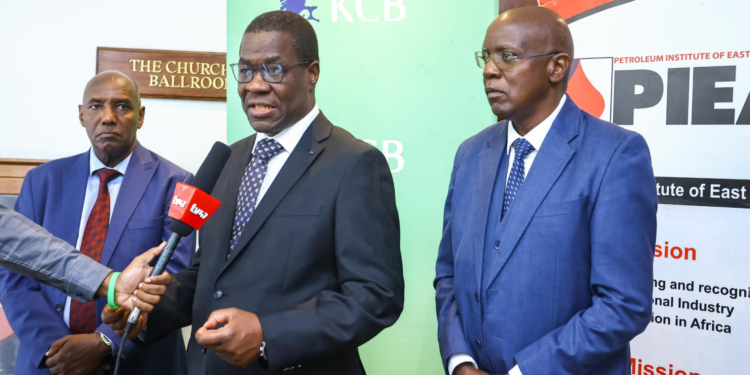
Opiyo Wandayi speaking during the PIEA quarter 2 2026
PHOTO/File

![KCB Announces New Leadership Changes After AGM [Full Details]](https://hivileo.co.ke/wp-content/uploads/2026/01/Photo-of-KCB-Bank-branch-in-KENCOM-Nairobi-183x96.png)


![KCB Announces New Leadership Changes After AGM [Full Details]](https://hivileo.co.ke/wp-content/uploads/2026/01/Photo-of-KCB-Bank-branch-in-KENCOM-Nairobi-80x80.png)
