Has Streaming Killed Radio in Kenya? Here’s What Changed
Share
By Owen Konzolo
Are we not listening to the radio anymore? Kenya’s radio landscape is changing, and with it, the experience of listening itself.
In the coming years, most Kenyan radio stations we grew up with will be off the air. Few will be surprised; fewer still will notice. Between Netflix series and Spotify podcasts, who listens to FM radio today? I can’t remember the last time I did, save for matatu rides with other commuting strangers or my grandma’s home, where Uncle Fred Obachi Machoka’s distorted voice emerging from a bulky black device makes me feel like I’ve traveled back in time.
But there was a time when the black Panasonic radio was a permanent fixture in our home: at 6 am every morning, static gave way to Waweru Mburu’s unintelligible Swahili and a Les Wanyika or Swahili Nation song. If, for any reason, the radio was silent one morning, something felt missing from our day.
When Radio Was the Heartbeat of Kenyan Homes
The radio was once Kenya’s most beloved and accessible mass medium, truly democratic as it reached even the tiniest villages in the country. Its hyperlocal nature was welcome: unlike today, when everyone around the world consumes the same media, it seemed to address the people of a single town or city, catering to their grievances, lifestyles, and personal tastes.
Every evening at 8 pm, Waweru Mburu hosted his show ‘Yaliyotendeka’ on Radio Citizen. This was primetime: for families following matters of accountability and exposing people abusing power and political positions in various government dockets, turning on the household radio meant being transported to a more spirited, livelier version of the country as a whole, as Willy M Tuva spotlighted local talents, anecdotes from city life, and real-life heroes beyond Kenya.
Also Read: CA Introduces Changes to Aircraft Radio Licences
For generations before us, the radio was practically a smartphone, tuned in for news, fresh music, late-night Love Gurus on Classic 105, tell-all celebrity interviews, interactive quizzes, social-awareness jingles, and detective stories—as bizarre as it seems now to imagine these shows in audio-only formats.
My father remembers ‘Jee Huu ni Ungwana’ and Sunday afternoons with ‘The Score (Kiss 100)’. My mother’s brother recalls standing outside her home for hours, eavesdropping on a neighbor’s radio because her family didn’t own one yet.
She dreamily wondered what John Nene—host of ‘Bingwa Wetu (KBC Radio Taifa)’—must look like. “Visual media restrict imagination. What you see is what you are compelled to believe is reality,” observes Seth, an avid radio listener. “The radio, on the other hand, leaves your imagination unfettered.”
Streaming Changed the Way We Listen
Maybe this unusual combination of mystery and vulnerability is what made this medium a scene-stealer in so many film and TV scripts: to this day, I can vividly hear Uncle Fred Obachi’s iconic ‘The blackest man in Black Africa’ from Roga Roga Show and Shillah Mwanyigah as our playlist connoisseur in her mid-morning interactive segments and the widely popular Request Line. Her definitive, sultry catchphrase and call to action to her audience was: “Hook me up!”
“The radio offers something streaming platforms can’t: human connection in real time,” said former Radio host Edward Kwach. “It is a collective experience: you’re listening to the same voice, same song at the same moment as thousands of others in your city.
There is companionship and unpredictability. You never know what’s next, and this element of surprise can’t be replicated by an algorithm.”
In that sense, can the lonely experience of building a relationship with a robot ever match the excited squeal after hearing a song you love on the radio, knowing it was picked by a person who probably loves it just as much as you do?
It’s hard to tell if traditional FM radio in Kenya has a future, even though surveys show it still holds a strong audience share in rural counties. Industry players saw the digital migration approaching, but major networks are now pivoting to podcasts and social media to capture urban listeners.
Meanwhile, local broadcasters continue to request policy reforms to expand their news mandates. If tight broadcasting restrictions on discussing current affairs remain in place, it’s no wonder presenters have to rely on feigned cheerfulness that barely resonates with a population plagued by the cost of living and a bleak economic outlook.
Can Kenyan Radio Reinvent Itself?
“To bring Gen Z into the fold, the radio must be more interactive, personality-led, and culture-driven,” said Mwalimu Rachael, a renowned radio host, while being hosted on Mic Cheque Podcast.
“There need to be more niche, community-driven shows, collaborations with creators instead of just celebrities, and a seamless integration with digital platforms.”
Also Read: Kenya Tests First Digital Radio in Nairobi
Mwalimu has been pushing a more radical idea for years: FM radio stations stepping up their social media presence is no longer enough.
“For ages, I’ve been telling stations that for the radio to survive, we must eventually shift to a subscription model as on Spotify or YouTube Premium,” revealed a Mass Communications lecturer at a Media Training College in South B, Nairobi.
“When someone gets a subscription, you let them choose a genre of music they like. Then you marry a podcast with personalized songs, information, and entertainment.”
Even on its last legs, the radio is putting up a formidable fight: at least in Kenya, where it continues to have a lot of listeners. Amongst Gen Zers, apps like RadioGarden, which let you tune in to live stations from around the world, are sparking intrigue. Some months ago, I spent hours tuned into a station in Casablanca instead of just picking a playlist on Spotify.
It made me feel like I was part of something bigger: surrendering control to a human being’s taste in music instead of an algorithm’s. Just like this, over the years, I have found some of my favorite music to date and unexpected moments of catharsis:
After a brutal falling-out with a friend, I once reminisced about the time the radio played ‘Still the One’ by Sauti Sol. After my Granddad passed away, hearing ‘Mose Fan Fan’s Papa Lolo’ on the radio near midnight shook me out of a months-long numbness.
Today, we all seem to be increasingly detached from our surroundings and the people around us. Our hyperindividualistic algorithms polarise us even further, but the radio urges us to notice. To let music and the world surprise us. To always remember there are so many others: listening, feeling, searching for a sense of belonging, just as we are.
Follow our WhatsApp channel for instant news updates
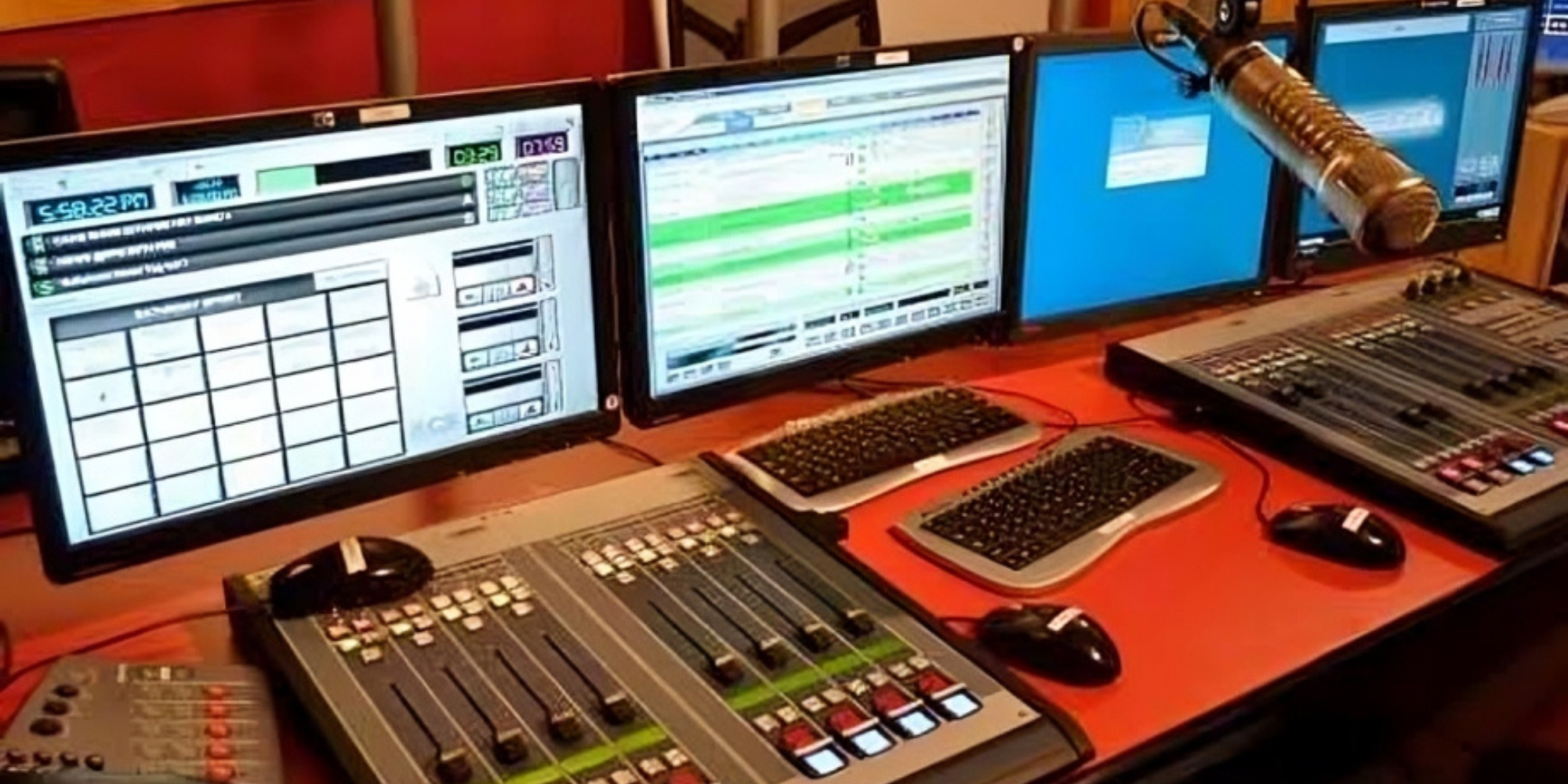
Why is Radio Losing Followers. Photo/ File