
New Twist as Fresh Details Emerge in the Murder of Cecil Ouma
Share
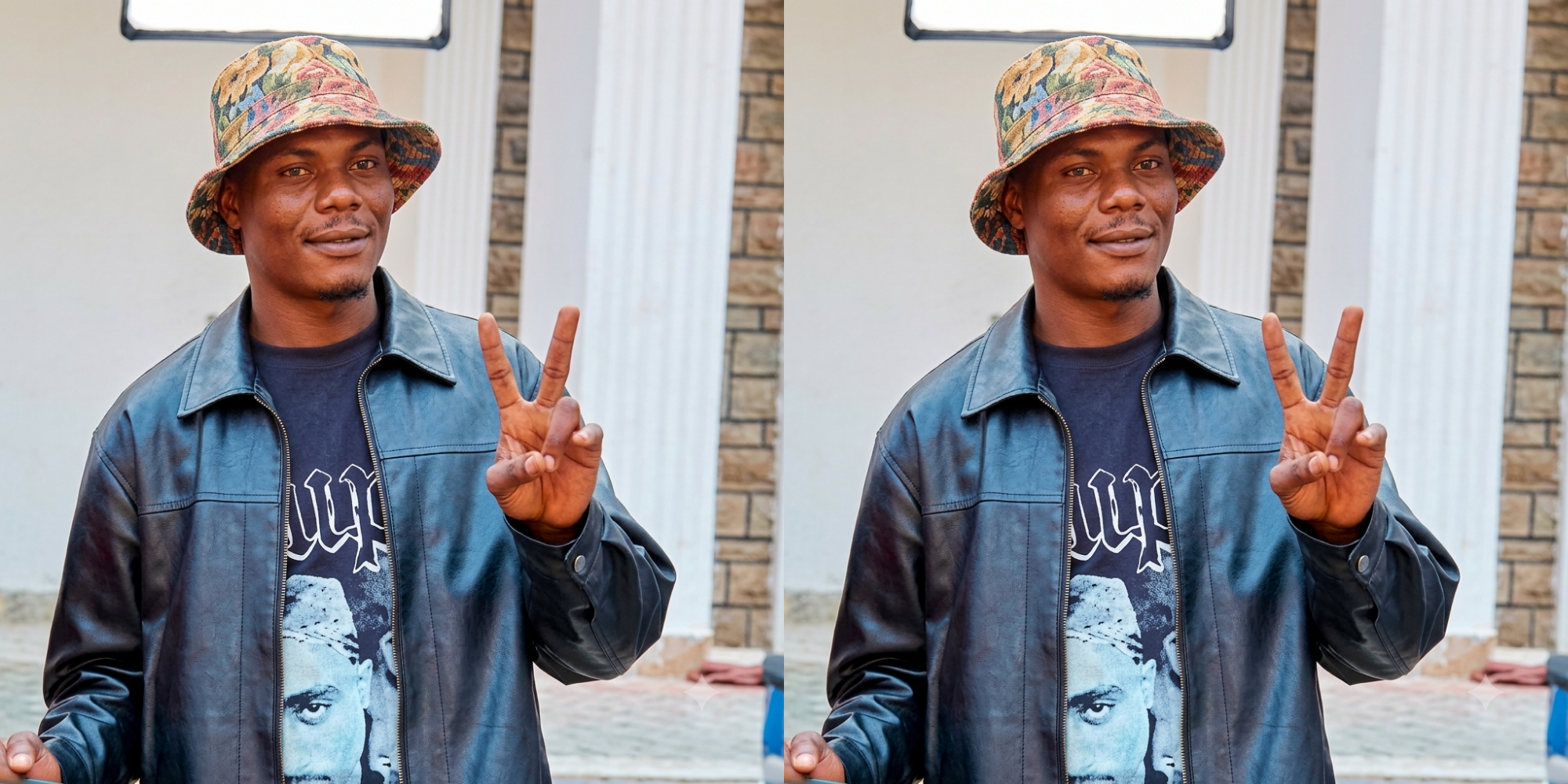
Fresh details have emerged in the investigation into the fatal shooting of youth leader Cecil Ouma, revealing two sharply conflicting accounts now at the centre of the probe.
While forensic findings point to a close-range shooting with no signs of struggle, Youth Affairs and Creative Economy Principal Secretary Fikirini Jacobs insists the fatal shot occurred during a confrontation inside his official vehicle.
PS Jacobs presented a different version when he recorded his statement with DCI officers in Nairobi.
According to his account, chaos erupted shortly after he concluded a youth empowerment meeting at Kariokor Social Hall. A group of youths surrounded his vehicle, demanded payment, and blocked his driver from leaving.
In response, Jacobs attempted to calm the situation by offering Ksh 10,000, which he borrowed from a colleague after realizing he had no cash.
He further claimed that Cecil Ouma forced his way into the vehicle as they tried to leave. Once inside, Jacobs alleged that the 29-year-old turned violent and attempted to grab his bodyguard’s firearm, triggering a struggle that ended when the gun discharged.
Pathologists Examination of Cecil Ouma
On Thursday, June 2, 2026, pathologists confirmed that Cecil Ouma died from massive internal bleeding caused by a single gunshot wound. Family pathologist Dr Joseph Ndung’u examined government pathologist Dr Bernard Midia.
“He died as a result of a single gunshot wound to the left side of the chest. There was a lot of bleeding inside the chest. There was a lot of internal bleeding and that was the cause of death,” Dr Ndung’u said.
Further examination showed that the bullet entered through Ouma’s left forearm before tearing through his chest, puncturing a lung, fracturing his spine, and lodging behind it.
Moreover, Dr Midia classified the injury as a near-contact gunshot wound, reinforcing the close-range nature of the shooting.
“This was a close-range shooting. We classify this as a near-contact gunshot wound from what we found,” he explained.
Importantly, the doctors found no signs of a physical struggle.
“There were hardly any signs of physical injury. It was mainly due to the gunshot. No evidence of struggle from what we found. There were no defensive wounds,” Dr Midia added.
Witnesses and Rights Groups Dispute Claims
However, Ouma’s family, witnesses, and human rights organisations strongly dispute that account.
For instance, human rights officer Odhiambo Ojiro, speaking on behalf of the Police Reforms Working Group and the Kenya Human Rights Commission, said witness testimonies contradict the PS’s version.
“It has been confirmed through key witnesses that in that vehicle were the PS, his driver, PA, the bodyguard and Ouma. You cannot say that if he got into a confrontation with them, he could overpower them all. He had no weapon and posed no serious threat,” said Ojiro.
In addition, he argued that the autopsy findings weaken claims that the shooting resulted from a physical altercation.
At the same time, witnesses described a different sequence of events. They said Cecil Ouma voluntarily entered the PS’s vehicle after fellow youths selected him to collect allowances on their behalf.
Soon after, a disagreement reportedly arose over the amount offered. While inside the vehicle, Ouma allegedly lowered a window and shouted, “Wananigeuzia” before someone shut it.
Moments later, witnesses claim, the vehicle moved toward Pangani, where individuals allegedly pushed Cecil Ouma out. Immediately afterward, they say, the bodyguard fired into the air.
Even so, investigators have yet to verify these claims and continue piecing together the sequence of events.
Questions Over Evidence Handling
Meanwhile, rights groups have raised fresh concerns about how officers handled key evidence.
They claim that officers allowed the vehicle involved to leave Pangani Police Station before conducting a forensic analysis and later cleaned it.
Additionally, Ojiro alleged that the vehicle initially carried civilian registration plates before later appearing with government plates. Although senior officials often use multiple plates, investigators have not independently verified these claims.
In the meantime, PS Jacobs has pledged full cooperation with investigators.
“I have responded to the invitation by the investigative agencies and I will continue to make myself available for any investigations pertaining to this tragic death,” he said.
As a result, investigators from the Directorate of Criminal Investigations (DCI) and the Independent Policing Oversight Authority (IPOA) have intensified efforts to reconcile the two narratives. Notably, IPOA has already taken custody of the recovered bullet for ballistic analysis.
Follow our WhatsApp channel for instant news updates
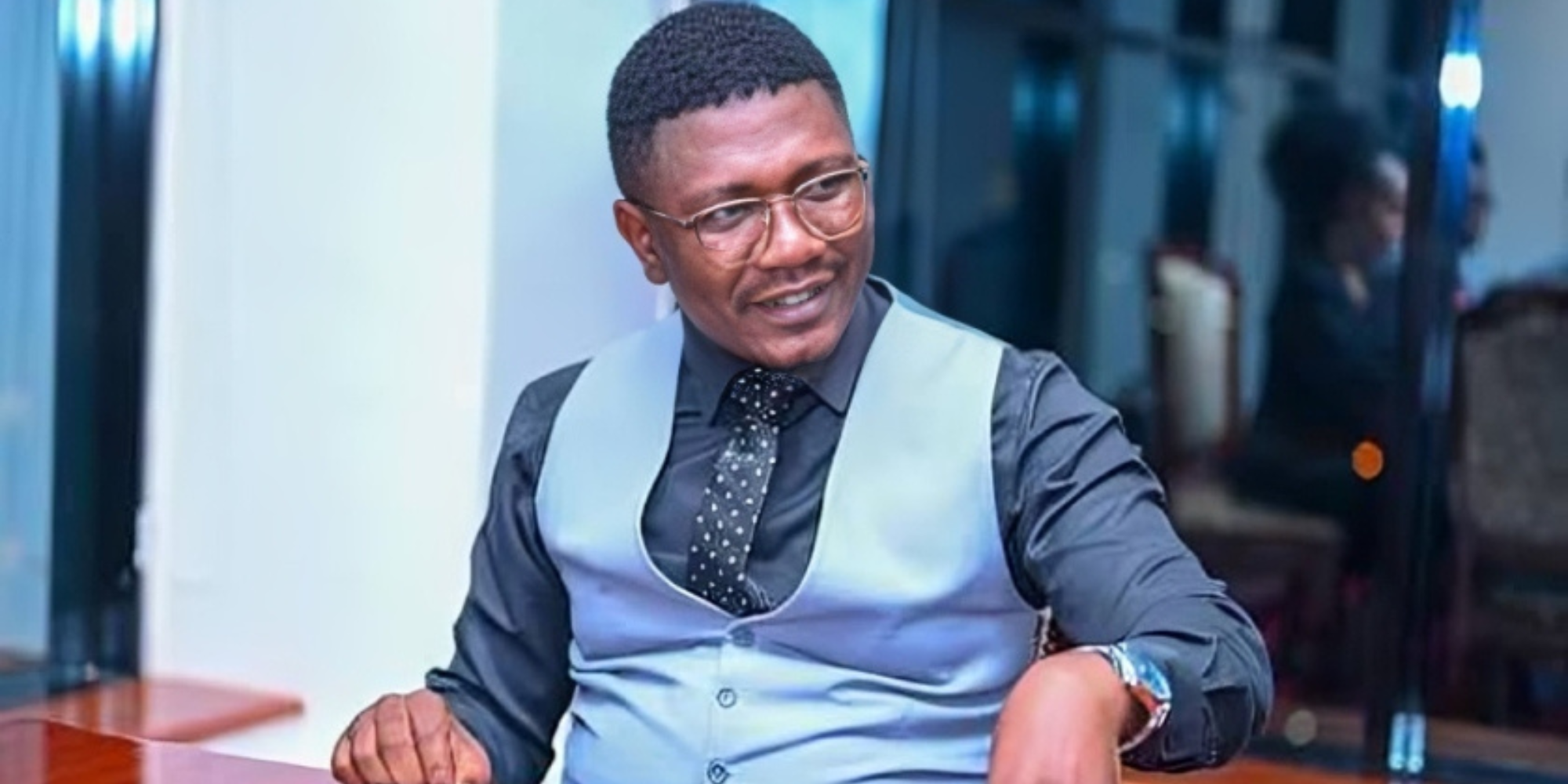
Youth Affairs Principal Secretary Fikirini Jacobs. Photo/ file