7 American Workers Deployed to Combat Ebola in DRC Quarantined at Laikipia Facility
Share
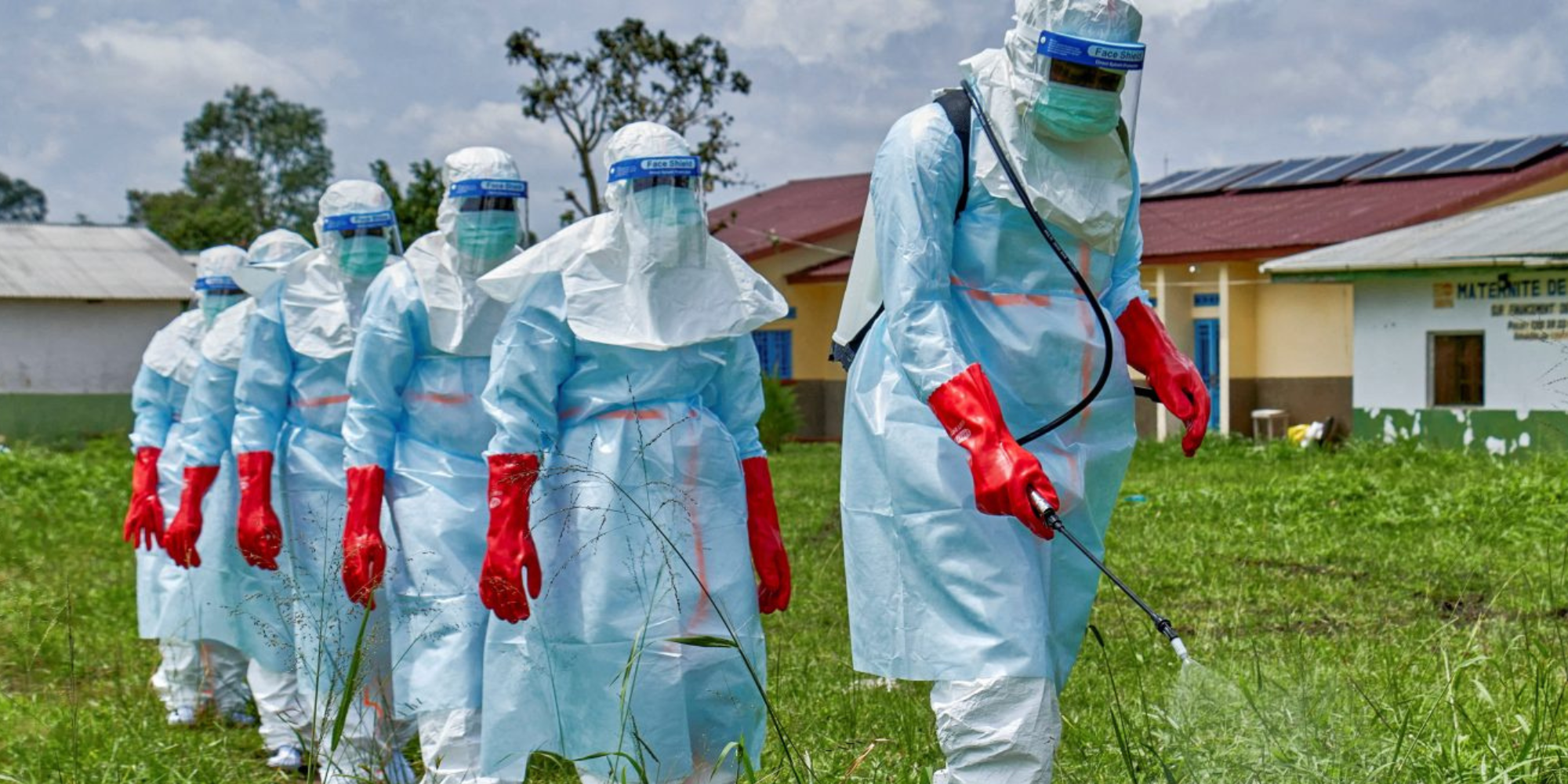
Seven American humanitarian workers who had been deployed to combat the Ebola outbreak in the Democratic Republic of Congo (DRC) have become the first known occupants of the controversial U.S.- backed bio-isolation facility at Laikipia Air Base in Kenya, despite an ongoing legal dispute and widespread public opposition surrounding the project.
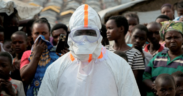
According to Reuters, the seven aid workers, all employed by the Christian humanitarian organisation Samaritan’s Purse, are serving a mandatory 21-day quarantine after the United States introduced strict travel measures requiring American citizens exposed to Ebola in the DRC to remain in a third country before being allowed to return home.
According to the organisation, none of the workers has shown symptoms of Ebola, and their isolation is purely precautionary.
Franklin Graham, President and CEO of Samaritan’s Purse, confirmed the development, saying the organisation currently has seven Disaster Assistance Response Team members undergoing quarantine in Kenya.
“None of them has any symptoms, but they are being quarantined by the Kenyan government for 21 days,” Graham told Reuters.
“The workers had been involved in frontline Ebola response operations in eastern Congo,” Graham added.
Court Orders, Public Resistance and Political Storm
The quarantine marks a major milestone for the highly contentious 50-bed bio-isolation facility constructed inside Laikipia Air Base, a project financed by the United States government for Americans potentially exposed to Ebola while working in the Democratic Republic of Congo and neighbouring Uganda.
Residents, civil society organisations, medical professionals, and opposition leaders questioned why Kenya should host American citizens exposed to one of the world’s deadliest viruses when the United States possesses advanced bio-containment facilities of its own.
Protests were witnessed with demonstrators calling for the cancellation of the project immediately.
Violent protests also ensued in Laikipia, causing death and injury, while the whole issue developed into a constitutional and diplomatic row.
The court battle was mounted by Katiba Institute alongside the Law Society of Kenya, contending that the government did not conduct itself in terms of risk assessments and consultations before giving its approval to the project.
This resulted in the High Court issuing a conservatory order stopping the implementation of the project until the case is sorted out, meaning that no exposed or sick person shall be admitted to the project.
However, construction activities continued despite the court order.
Satellite imagery, flight records, and U.S. officials indicated that specialist equipment, medical supplies and personnel continued arriving at the airbase, prompting accusations that both governments were ignoring judicial directives.
Also Read: Court Rules on Duale Contempt Case Over Laikipia Ebola Facility Construction
Health Minister Found in Contempt
The dispute intensified when Health Cabinet Secretary Aden Duale appeared before the High Court after being found in contempt for failing to ensure construction stopped as ordered.
Following the ruling, Duale announced the immediate suspension of all construction, site preparation, and related activities pending the determination of the substantive petition.
“I have directed the immediate complete cessation of any intended construction, site preparations, or related activities concerning the Laikipia Air Base facility,” Duale told the court.
Duale maintained that the government never intended to disregard judicial authority.
Government lawyers have maintained that fears surrounding the facility are scientifically unfounded because it is situated inside a highly secured military installation located far from densely populated communities and designed with strict infection-control protocols.
Why the United States Chose Kenya
The policy follows new American travel restrictions requiring citizens exposed to Ebola in outbreak zones to spend 21 days outside the United States before returning home.
A U.S. State Department official told Reuters the move was conducted under the supervision of U.S. Public Health Service clinicians
“Americans currently at Laikipia voluntarily moved to the Kenya facility for precautionary monitoring and isolation. The move was undertaken strictly out of an abundance of caution,” he said.
The facility is intended primarily for asymptomatic Americans who participated in Ebola response efforts in Congo and Uganda.
Also Read: Trump Sanctions Rwandan Mining Firms Over Eastern DRC Conflict
Funding, Preparedness, and the Ebola Threat
The United States has committed approximately $13.5 million( approximately Ksh 1.74 billion), towards Kenya’s Ebola preparedness programme, including the development of the Laikipia facility and strengthening emergency response capacity.
Samaritan’s Purse is expected to receive several million dollars from the Trump administration to support Ebola response operations.
The organisation remains among the largest foreign humanitarian agencies combating the outbreak in the Democratic Republic of Congo, working alongside the World Health Organisation to contain transmission.
The current outbreak involves the Bundibugyo strain of Ebola, for which there is neither a licensed vaccine nor a proven treatment.
According to the World Health Organisation, more than 828 people have died since the outbreak began in mid-May, with transmission continuing in difficult-to-access communities.
After touring the Laikipia facility, Graham praised its capabilities.
“It’s a state-of-the-art facility. If somebody did get sick, that’s the place you want to take them,” Graham said.
Follow our WhatsApp channel for instant news updates

Health CS Duale during the launch of the Kenya AIDS Integration Strategic Framework -2025-2026 in Nairobi on June 18
PHOTO/Duale