KRA Revenue Breakdown: The 5 Sectors Behind the Record Ksh 2.84 Trillion Collection
Share
The Kenya Revenue Authority (KRA) has collected Ksh2.844 trillion in the 2025/26 financial year, representing a 10.6% increase from the Ksh2.572 trillion collected in the previous financial year.
In a press release dated July 10, KRA attributed the growth to improved tax compliance, digital transformation initiatives, and strong performance from key sectors of the economy, despite a challenging operating environment.
The Kenya Revenue Authority (KRA) collected KES 2.844 trillion, representing an increase of KES 272.953 billion over the KES 2.572 trillion collected in FY 2024/2025. Revenue collection for the Financial Year 2025/2026 registered a robust double-digit growth of 10.6%, significantly outperforming the 6.8% growth recorded in the previous financial year,” read part of the press release
KRA Reveals Manufacturing, Energy Among Top Revenue Contributors
According to the authority, five sectors accounted for approximately 62% of the total revenue collected during the financial year.
Also Read: Good News for Kenyans as KRA Scraps Excise Duty on Bottled Water
The manufacturing sector emerged as the largest contributor, generating Ksh462 billion in tax revenue, followed by the energy sector at Ksh445 billion.
The other top contributors were the financial and insurance sector, the information and communication technology (ICT) sector, and the wholesale and retail trade sector.
In addition, KRA noted that the five industries played a major role in driving overall revenue growth.
The authority also announced that its Customs and Border Control Department exceeded its annual revenue target by collecting Ksh988.8 billion, representing 100.8% performance against the target, adding that the growth was supported by increased collections from both oil and non-oil imports.
Betting and Digital Taxes Record Strong Growth
KRA further stated that Corporation Tax collections grew by 14 %, while Excise Tax on betting services increased by 24.9 %, enabling the authority to surpass its revenue target for betting taxes.
Also Read: How to File Your Employment Income Tax Returns in 2026
It also reported that collections from the Significant Economic Presence Tax (SEPT), which replaced the Digital Service Tax following the Finance Act 2025, more than doubled during the year, attributing it to continued investment in technology.
The authority cited the Electronic Tax Invoice Management System (eTIMS), enhanced use of artificial intelligence and data analytics, integration of tax systems with government procurement platforms and betting operators, and improved cargo scanning technology as some of the initiatives that boosted revenue collection.
It also noted that efforts to expand the tax base, recover outstanding tax debts, and simplify tax payments through digital channels contributed to the improved performance.
Follow our WhatsApp channel for instant news updates.
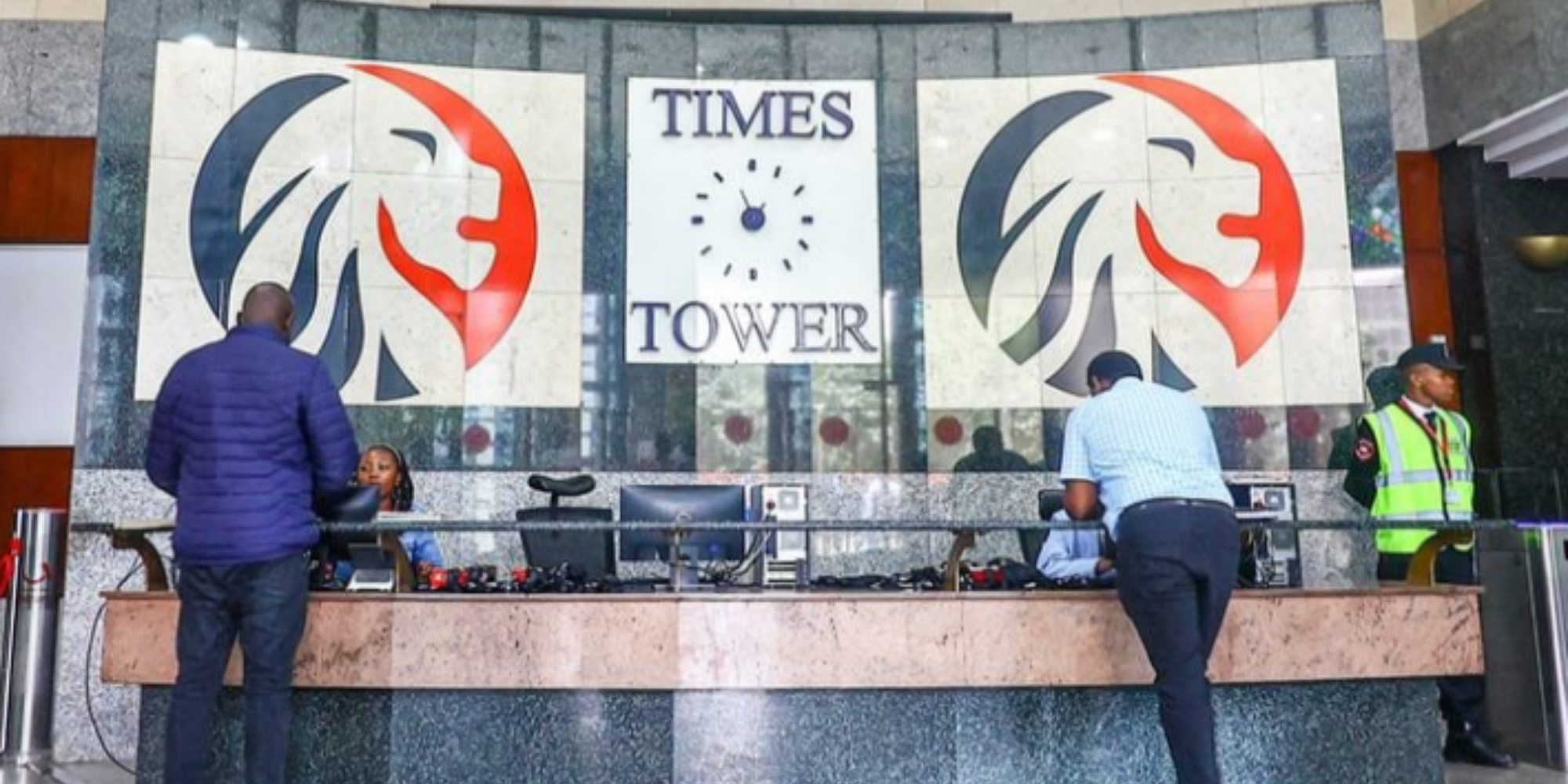
KRA Office Headquarters in Times Tower. PHOTO/KRA