
Scientists Predict High Chance of El Niño in 2026
Share

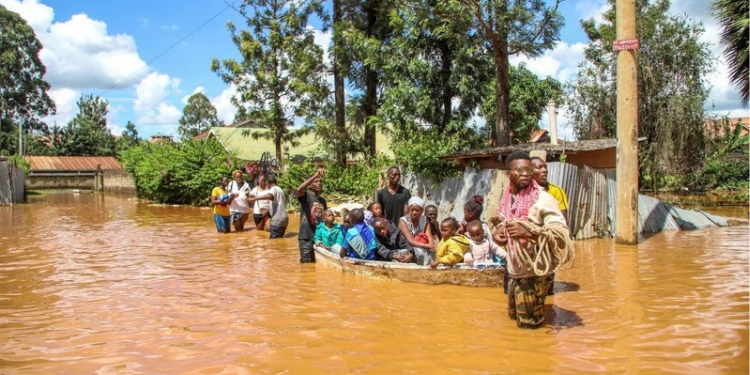
The Climate Prediction Center (CPC) under the U.S. National Weather Service warns that El Niño conditions are increasingly likely to develop in 2026.
The outlook signals a major shift in global weather patterns as the tropical Pacific Ocean continues to warm.
The latest forecast shows a clear transition from neutral conditions toward El Niño, the warm phase of the El Niño–Southern Oscillation (ENSO).
Climate models show a steady rise in probabilities from mid-2026. Scientists now expect the event to persist into early 2027.
“El Niño is likely to emerge soon (82% chance in May-July 2026) and continue through Northern Hemisphere winter 2026-27 (96% chance in December 2026 – February 2027).” The agency also states that the CPC stated.
Forecast data shows El Niño probability rising above 90 percent in the second half of 2026. Meanwhile, neutral conditions will drop sharply during the same period. La Niña conditions remain very unlikely across the forecast window.
Ocean and Wind Patterns Drive El Niño Development
Scientists track sea surface temperatures and atmospheric circulation across the equatorial Pacific to make these projections.
Current observations show warming ocean waters and shifting wind patterns. These conditions now support the development of El Niño.
El Niño shapes weather patterns across the world. Its effects differ by region, but it often increases rainfall in some areas and triggers dry conditions in others.
In East Africa, including Kenya, El Niño events often bring heavier rainfall during the October–December season. This pattern raises flood risks and can disrupt transport, farming and livelihoods in vulnerable regions.
Also Read: Kenya’s Food Basket Under Threat as Drought and Floods Strike at Once
East Africa Braces for Wetter-Than-Normal Conditions
In East Africa, climate patterns often respond strongly to El Niño events. Kenya, Uganda, Somalia, and parts of Ethiopia typically experience above-average rainfall during the short rains season.
At times, this leads to flooding in low-lying areas and landslides in hilly regions. However, some areas also benefit from improved water availability and better pasture conditions depending on local intensity and timing.
Also Read: What to Expect: Kenya Met Publishes May Weather Forecast
Forecast Uncertainty During Seasonal Transition
Experts still caution that forecasts during this period face uncertainty. The “spring predictability barrier” often weakens model accuracy and creates fluctuations in ENSO predictions.
Despite this challenge, current projections from the U.S. climate agency show strong confidence that El Niño will develop. If it strengthens as expected, it will influence global weather patterns well into 2027.
Follow our WhatsApp channel for instant news updates

CPC forecasts strong El Niño development in 2026–2027, likely impacting global weather patterns and East Africa rainfall. PHOTO/ CPC X