

Why Six Nations Have Already Qualified for the 2030 FIFA World Cup Without Playing a Qualifier
Share

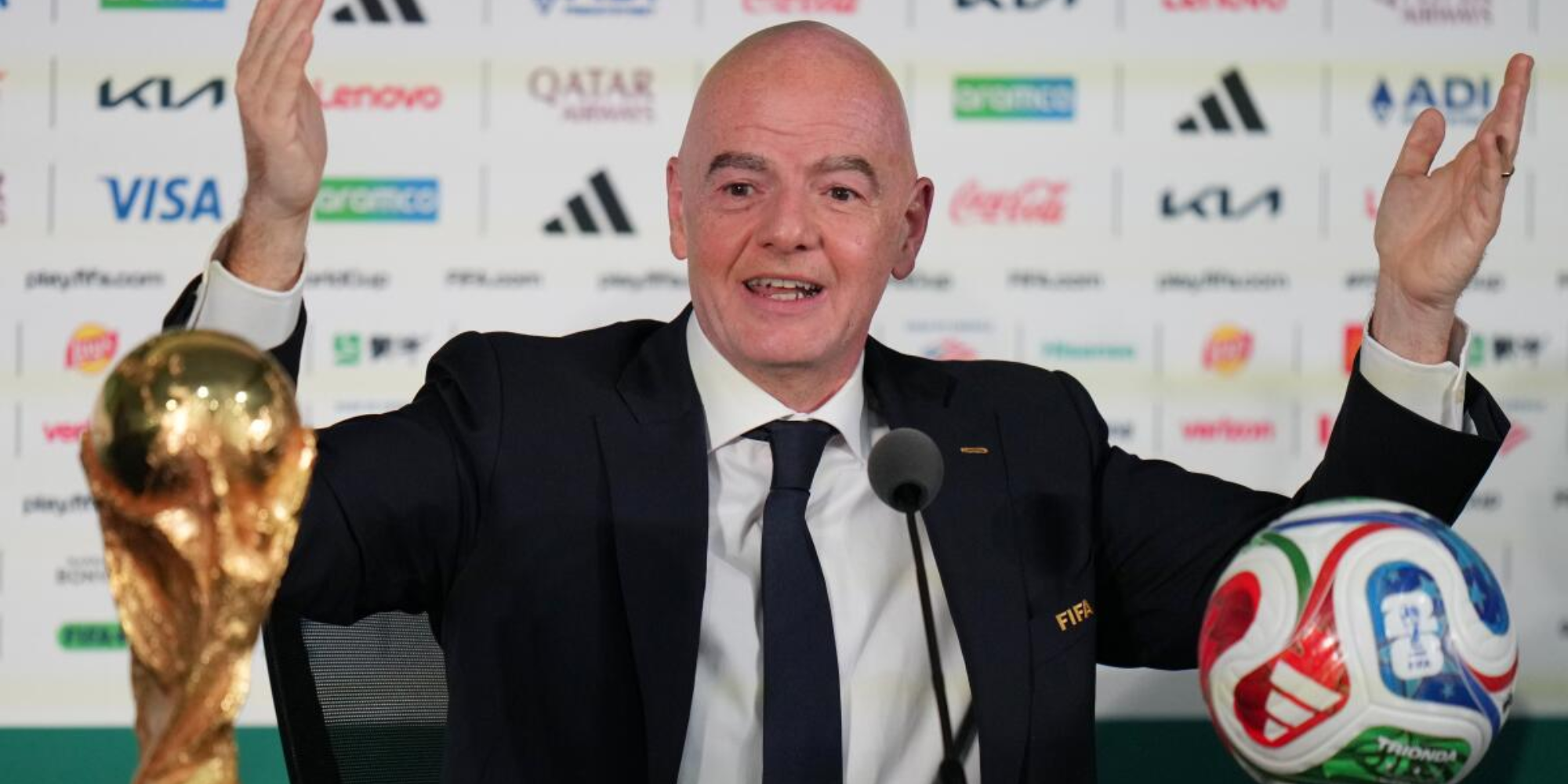
Six different teams representing their countries have qualified for the FIFA World Cup 2030 without having to play any qualification matches, which has led to many people discussing this particular move.
Spain, Portugal, Morocco, Uruguay, Argentina and Paraguay have all been granted automatic qualification after FIFA officially designated them as hosts of the historic centenary edition of the tournament.
Unlike previous World Cups that featured one or two host nations, the 2030 edition will be staged across six countries spanning three continents, making it the most geographically diverse tournament in the competition’s history.
The arrangement was approved by FIFA Congress following recommendations from the FIFA Council.
Spain, Portugal and Morocco will serve as the primary hosts, while Uruguay, Argentina and Paraguay will each stage one commemorative opening match to celebrate 100 years since the inaugural FIFA World Cup was held in Uruguay in 1930.
Under FIFA’s tournament regulations, all six host nations automatically qualify for the finals.
Why Six Countries Qualify Automatically for FIFA World Cup
FIFA’s official regulations state that host nations receive automatic entry into the World Cup finals.
For the 2030 edition, that privilege extends to all six designated host countries because they each have official hosting responsibilities.
Spain, Portugal and Morocco form the main hosting partnership and will stage the overwhelming majority of the tournament’s matches.
FIFA has confirmed they will host most of the competition, while Uruguay, Argentina and Paraguay will each organize one centenary celebration match before the tournament shifts permanently to Europe and North Africa.
The special arrangement was designed to commemorate the centenary of the FIFA World Cup.
Uruguay hosted and won the first World Cup in 1930, defeating Argentina in the final.
Argentina’s inclusion recognizes its role as the inaugural runner-up, while Paraguay was selected because it is home to CONMEBOL, South America’s football governing body.
Also Read: The Spectacle of Modern Sport: How FIFA Turned the 2026 World Cup into a Different Show
Historic Tournament Across Three Continents
The 2030 World Cup will become the first edition of the tournament to be played across Europe, Africa and South America.
Following the three centenary matches in South America, the remaining fixtures will be played in Spain, Portugal and Morocco.
FIFA says the match calendar has been specifically designed to provide additional travel and recovery time for teams involved in the opening matches before they continue the tournament in the main host countries.
The tournament also represents an unprecedented collaboration between UEFA, CAF and CONMEBOL, bringing together three football confederations for a single World Cup.
How Qualification Slots Are Affected
Automatic qualification does not create additional places at the World Cup.
Instead, each host nation occupies one of the qualification slots allocated to its continental confederation.
Spain and Portugal qualify from UEFA’s allocation, Morocco from CAF’s allocation, while Uruguay, Argentina and Paraguay take three of CONMEBOL’s allocated places.
Also Read: 2026 FIFA World Cup Prize Money: Champions, Runners-Up and Every Team’s Earnings
The remaining qualification spots for each confederation will be contested through the normal continental qualifying competitions.
This means European nations will compete for fewer available UEFA places than originally allocated because Spain and Portugal have already claimed two automatic berths.
The same principle applies to African and South American qualifying campaigns.
Looking Ahead To 2030
The 2030 FIFA World Cup is expected to feature 48 teams under the format introduced for the 2026 tournament, although FIFA has recently been discussing proposals to expand the competition to 64 teams for the centenary edition.
As of now, however, the governing body has not formally adopted such a change.
Follow our WhatsApp channel for instant news updates
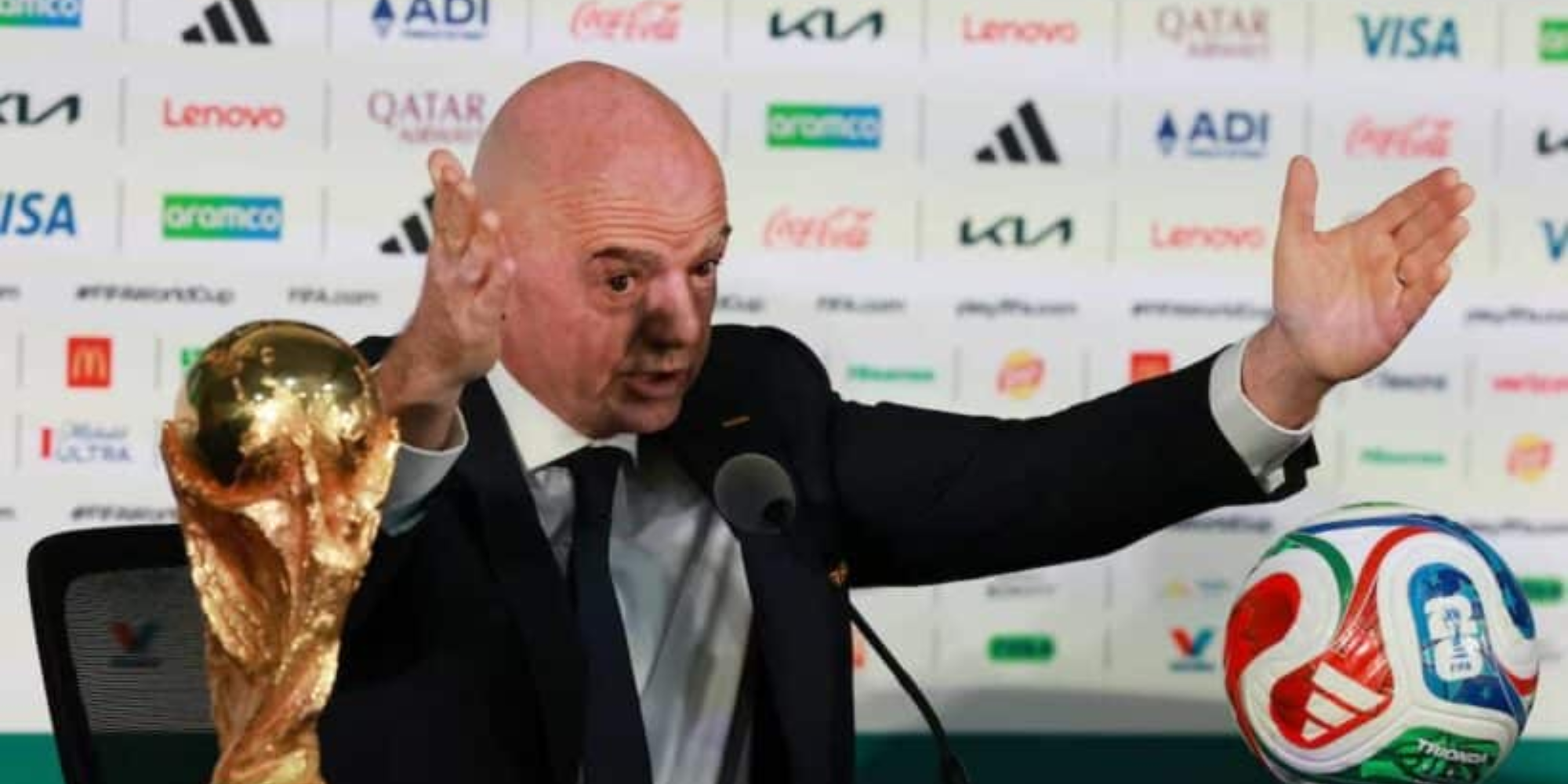
FIFA President Gianni Infantino Press Conference – Estadio Azteca, Mexico City, Mexico – June 10, 2026 FIFA President Gianni Infantino with the FIFA World Cup trophy during the press conference. PHOTO/ REUTERS/Henry Romero