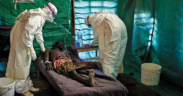
Kenya on High Alert After Deadly Ebola Outbreak Confirmed in DRC
Share
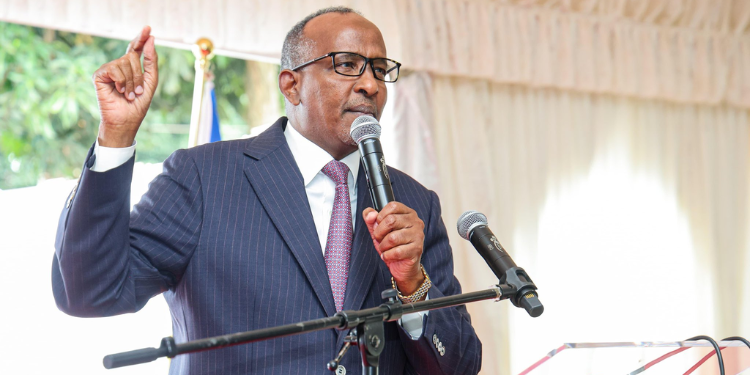
Kenya’s Ministry of Health has placed the country on heightened alert after confirming an Ebola Virus Disease outbreak in the Democratic Republic of the Congo’s Ituri Province. The alert comes amid rising concern over possible cross-border transmission through regional travel routes.
As of May 16, 2026, the Ministry has confirmed that Kenya has not recorded any Ebola cases. However, it warns that the region still faces a moderate risk of importation because of frequent movement of people and goods across Eastern Africa.
“The Government is closely monitoring the evolving situation together with regional and international public health partners. While the overall risk to the Kenyan public remains low, there is a moderate risk of importation into the country due to regional travel, trade and population movement,” the ministry stated.
Health officials reported that laboratory tests in the Democratic Republic of Congo confirmed Ebola virus in 13 out of 20 samples taken from suspected cases.
Authorities also recorded 246 suspected cases and 65 deaths, including four deaths among confirmed cases. Early findings further indicated a non-Zaire strain, while genomic sequencing continued to determine the exact variant.
Meanwhile, the outbreak remained concentrated in Eastern DRC. The area experienced high cross-border movement involving Uganda, South Sudan and other neighbouring countries. This situation raised concerns over possible regional spread if containment efforts slowed down.
Also Read: Latest: Kenya Issues Update on Deadly Hantavirus Outbreak
Government Response and Preparedness
In response, the Ministry of Health activated emergency systems to strengthen national preparedness. It rolled out several key measures, including:
- Formation of a National Ebola Preparedness Team
- Activation of the National Public Health Emergency Operations Centre (PHEOC)
- Enhanced screening at airports, border points, and other entry points
- Strengthened surveillance for viral haemorrhagic fevers
- Improved laboratory diagnostic capacity
- Continuous training of healthcare workers
- Public awareness and risk communication campaigns
- Coordination with regional and global health partners
At the same time, Kenya has continued working closely with global health bodies, including the World Health Organization (WHO) and the Africa Centres for Disease Control and Prevention. These partnerships aim to improve monitoring and strengthen response coordination.
What is Ebola Virus Disease?
Ebola Virus Disease is a severe and often fatal illness. It spreads through direct contact with infected body fluids, contaminated surfaces, or infected animals.
Health officials stressed that infected persons did not spread the virus before symptoms appeared. This helped authorities focus on early detection and containment.
Symptoms to Watch
Authorities urged the public to seek medical attention immediately if the following symptoms appeared, especially after travel to affected areas:
- Fever
- Severe weakness and fatigue
- Headache and muscle pain
- Vomiting or diarrhoea
- Abdominal pain
- Unexplained bleeding or bruising in severe cases
Early treatment improved survival chances and reduced transmission risk.
Also Read: Global Panic Grows After Deadly Hantavirus Outbreak
Public Advisory
The Ministry of Health has urged Kenyans to remain calm but vigilant. It has also encouraged strict preventive measures, including:
- Maintaining high standards of personal hygiene
- Avoiding contact with the bodily fluids of sick individuals
- Avoiding handling sick or dead animals
- Seeking immediate medical care if symptoms develop
Authorities also warned against misinformation and urged the public to rely only on verified updates from official sources.
“Members of the public are advised to rely only on official information from the Ministry of Health and recognized international public health agencies, and to refrain from spreading unverified information that may cause unnecessary panic,” the advisory stated.
The government said it would continue monitoring the situation closely and issue updates as new information emerged, while strengthening preparedness systems nationwide.
Follow our WhatsApp channel for instant news updates
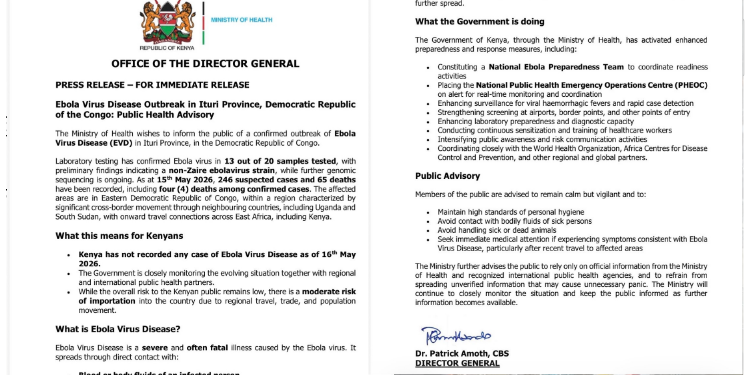
Advisory issued by the Ministry of Health to alert Kenyans following an Ebola outbreak in DRC, confirmed on May 16, 2026, urging vigilance and calm as surveillance and preparedness measures intensify nationwide. PHOTO/ MoH X