OPINION: The Hidden Currency Behind Winning Senior Leadership Positions
Share

By Dickens Owino
A strong personal communication strategy and targeted publicity now shape career advancement, especially in the race for senior leadership positions.
They move an individual from being merely qualified to becoming visible, authoritative, and trusted.
Through clear messaging, leaders showcase their vision, competence, and ability to drive institutional success to both decision-makers and the public.
In this context, the recent race for the position of Commissioner General at the Kenya Revenue Authority (KRA) drew significant public attention.
It was not just another recruitment exercise. Instead, it became a high-stakes contest for one of the most demanding and influential public sector roles in Kenya.
At the same time, both insiders and outsiders entered the race. They brought strong technical backgrounds, leadership experience, and deep institutional knowledge.
However, as the process unfolded, qualifications alone did not define the frontrunners.
Notably, one factor stood out: how candidates positioned themselves through communication.
Communication and Positioning as a Competitive Advantage
Against this backdrop, Mr. Adan set himself apart through deliberate and strategic positioning.
He treated communication as his main tool. Despite criticism from some quarters, he clearly understood the assignment.
His team consistently placed him in the media, where he projected competence, confidence, and readiness for the role.
As a result, his messaging emphasized experience, leadership capability, and suitability.
This approach shaped public perception and strengthened confidence among stakeholders. Whether by design or momentum, his communication strategy worked in his favour.
Also Read: OPINION: Why Kenya Must Reject Ethnic Cartels in the Race for KRA Boss
Leveraging Visibility and Shaping the Narrative
Meanwhile, George Omondi Obell emerged as another compelling figure. As an insider at the Authority, he had built a strong track record. Many observers expected his name to appear on the final shortlist.
Even so, when he did not make the cut, he turned the moment into an opportunity. Instead of fading from the conversation, he gained more visibility.
Public attention gradually shifted from the recruitment process to his performance and achievements as Commissioner for Micro and Small Taxpayers.
Consequently, he expanded his public profile. More Kenyans began to recognize his work, understand his impact, and see his leadership potential. In effect, he used the moment to position himself strategically.
Soon after, the public discourse began to revolve around two names: Mr. Adan and Mr. Obell. Both demonstrated a clear understanding of modern leadership contests. While others focused on the process, they focused on perception, visibility, and narrative control.
Also Read: Adan Mohamed to Be Sworn in as KRA Commissioner-General Despite Court Ruling
The New Currency of Leadership Success
Ultimately, this race offers a clear lesson for professionals targeting senior positions.
Today, success no longer depends solely on interviews, qualifications, or networks. Instead, personal branding, strategic communication, and public positioning play an equally decisive role.
More importantly, perception now shapes opportunity. Visibility builds credibility. A well-crafted narrative can open doors that credentials alone cannot.
At the leadership level, competence is only the starting point. Leaders must also inspire trust, command confidence and influence stakeholders. Communication makes this possible.
Therefore, professionals must go beyond listing achievements. They must actively communicate their impact, articulate their vision, and demonstrate their value to the right audience.
In the end, silence no longer works as a strategy. Positioning does.
Follow our WhatsApp channel for instant news updates
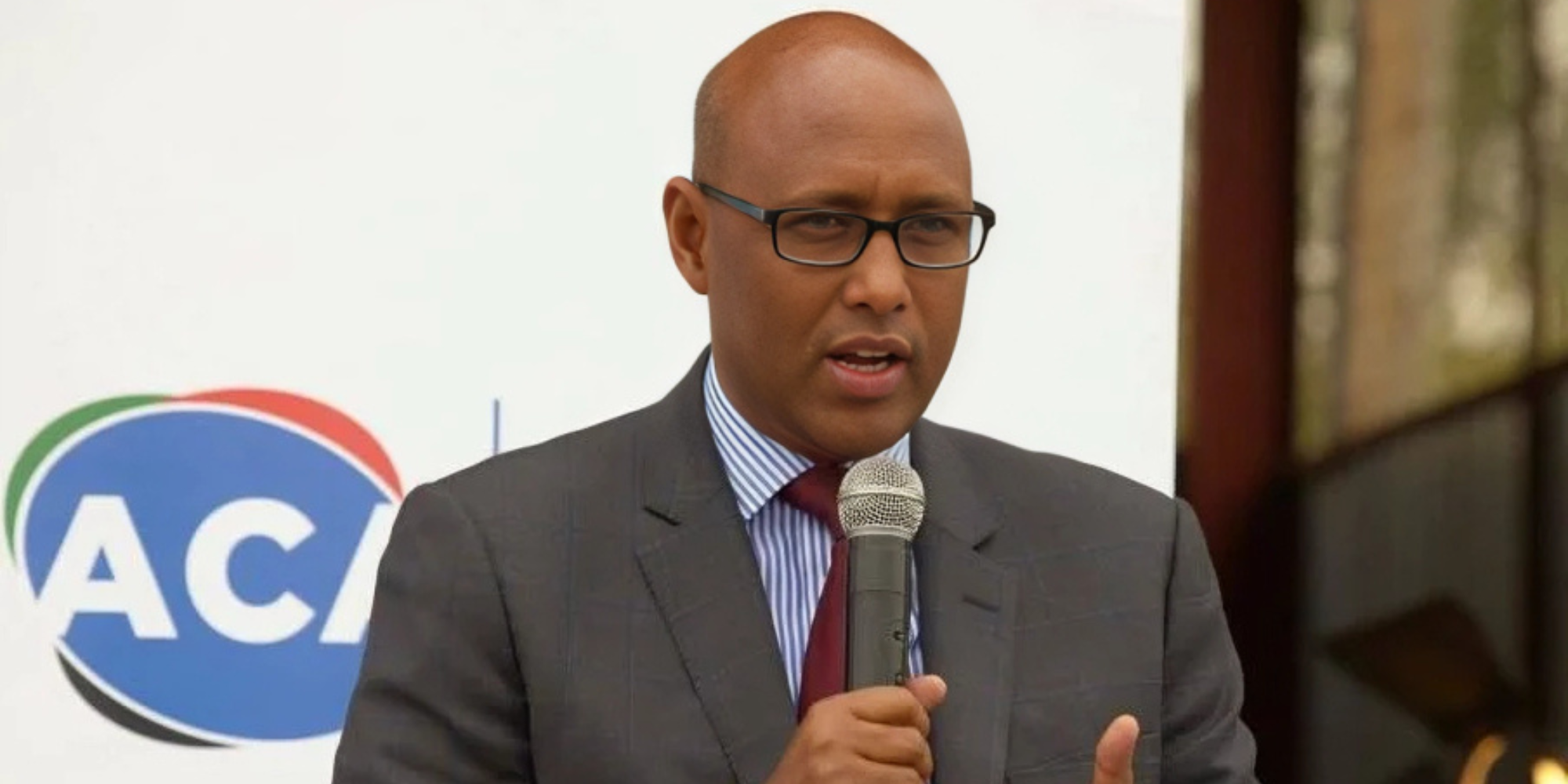
Adan Mohamed KRA New Appointed Boss. Photo/ KRA