What the Vodacom-Safaricom Deal Means for Kenya
Share
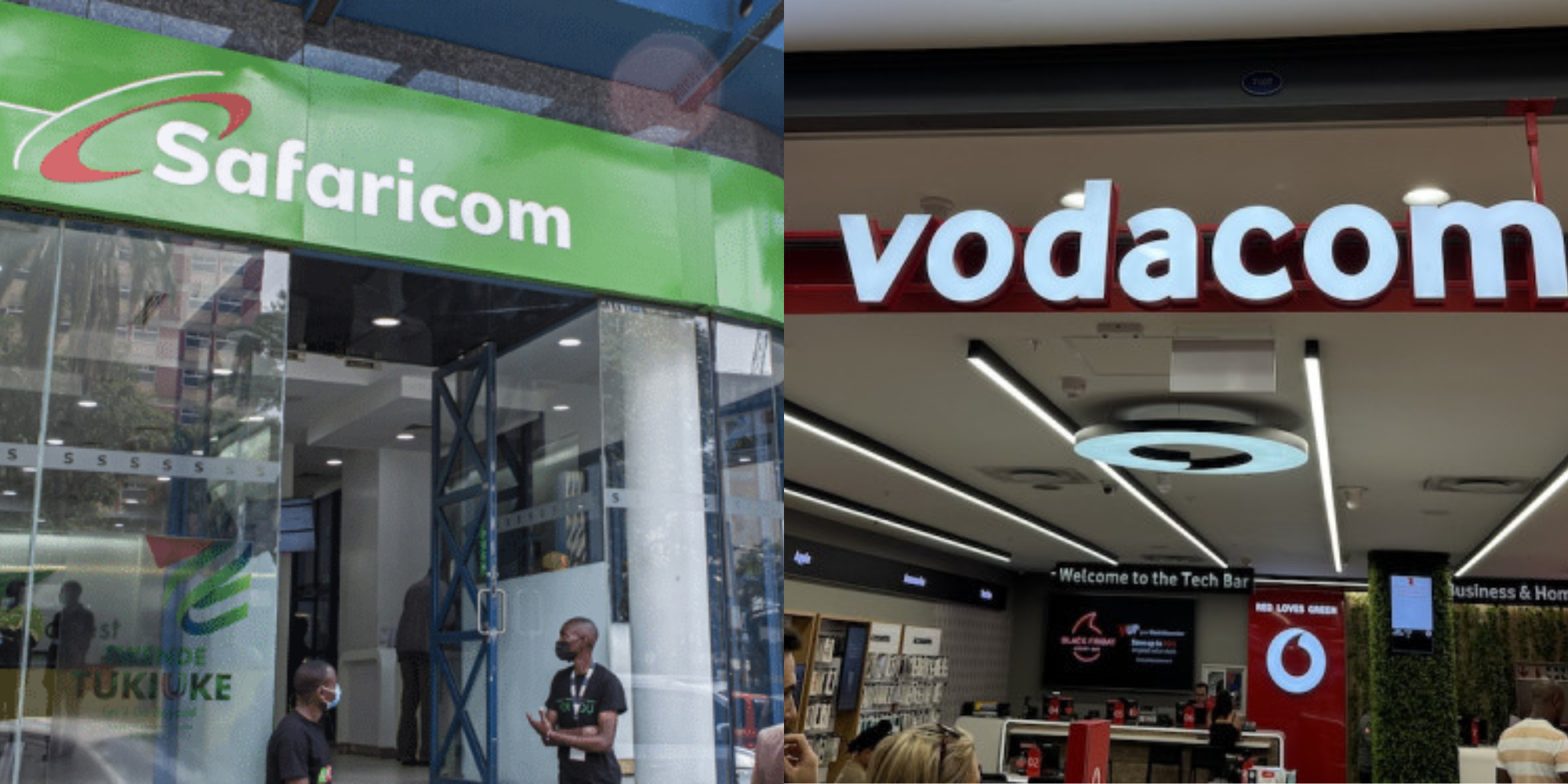
The Vodacom Group, South Africa’s telecommunications group, has formally assumed majority ownership of Safaricom after buying out a stake worth Ksh 244.5 billion ($2.1 billion), taking its effective ownership to 55%, the largest ownership change in the telecommunications giant’s history.
The acquisition transaction, which took place on June 30, 2026, was preceded by months of legal battles and regulatory processes that enabled the South African telecommunications group to assume ownership of Kenya’s largest publicly listed firm.
Through the block trade at the Nairobi Stock Exchange (NSE), Vodacom acquired a total of 15% of Safaricom shares from the Government of Kenya and another 5% from Vodafone Group, thereby owning the majority stake in the firm for the first time.
About 6.01 billion shares were traded at Ksh 34 per share in the transaction.
Apart from buying additional shares, Vodacom made an advance payment of approximately Ksh 40.1 billion to the National Treasury in return for future dividend payments of the remaining government stake.
Hence, the government will be denied annual dividends from Safaricom for two or three years until the payment is recovered.
How the Vodacom-Safaricom Deal Took Place
The deal was initially unveiled in December 2025 as Vodafone Group and Vodacom proposed a restructuring of their ownership structure in Safaricom.
The deal drew immediate attention in light of the fact that Safaricom is the most lucrative company in Kenya and has the largest mobile money transfer service in the country, M-Pesa.
Legal actions followed soon as petitioners sought to have the sale quashed because the divestiture of the government shareholding required further public participation by the people.
Conservatory orders were initially made by the High Court restraining the implementation of the deal.
On June 26, 2026, the Court of Appeal lifted the conservatory orders, saying it was in the public interest for the deal to proceed as the main case is heard.
On June 30 of the same year, Vodacom completed the purchase through the NSE, becoming the majority shareholder of Safaricom.
Also Read:Vodacom Completes Safaricom Stake Deal, Takes Control
Timeline of the Transaction
The transaction took place over several months:
- December 4, 2025: Vodafone and Vodacom make the transaction announcement.
- May 22, 2026: A new shareholder agreement with respect to governance changes, including the appointment of the CEO and members of the board of directors, is registered.
- June 26, 2026: The Conservatory Orders, which had been preventing the transaction from going forward, are removed by the Court of Appeal.
- June 30, 2026: Vodacom purchases the stake, raising its stake to 55 per cent.
- July 31, 2026: A vote will take place regarding constitutional changes to Safaricom’s governance at the Annual General Meeting.
Reasons Behind the Acquisition
The deal was meant to streamline the ownership process as well as enhance Vodacom’s control over one of the fastest-growing telecoms and digital financial service companies in Africa.
Through majority ownership, Vodacom will be able to consolidate Safaricom’s financial performance in its books as well as Vodafone Group’s international financial reports using IFRS standards.
This is because previously, Safaricom’s financial performance would only be recorded as that of an associate company rather than a subsidiary.
This deal also improves the coordination process behind Safaricom’s regional strategy, especially in its operations in Ethiopia, and helps integrate M-Pesa into the Vodacom digital financial service network in Africa.
For Kenya, the deal has helped earn the country more than Ksh 200 billion through the sale of shares by the National Treasury.
Present Ownership Structure
Post completion of the deal, the ownership structure of Safaricom is as follows;
- Vodacom Group – 55%
- Kenya Government – 20%
- Nairobi Stock Exchange public shareholders – 25%
Safaricom’s Governance Reforms
Ownership by the majority is projected to bring about changes in the governance of Safaricom with regard to the 14 special resolutions planned for passing during the AGM on July 31st.
Some of these reforms include giving Vodafone Kenya sole right to appoint the CEO of Safaricom, provided that it maintains its ownership of more than 50%.
It will have five seats on the board, equivalent to one seat for every 10% of shares held.
The Chief Financial Officer of the firm would act as the CEO in case of the absence of the real chief executive.
The Government of Kenya will,l however, keep some critical “Golden Share” protections despite the reforms.
Major decisions like any alteration of Safaricom’s identity,y as well as expansion to outside Kenya and Ethiopia, will need 75% supermajority and the Government’s approval.
Also Read: How Safaricom Is Transforming from a Telecom Company into a Technology Leader
Protecting Kenya’s National Interests
To alleviate the public’s fears of a foreign majority stake, the new Articles of Association have kept many safeguards in place as per the constitution.
The offices of the chairperson and CEO of Safaricom shall always be reserved for Kenyans.
Safaricom’s executive management team and its leadership hierarchy would always continue to be mostly made up of Kenyans, despite the foreign majority stake.
In terms of business, no disruptions are expected for customers at least in the initial period following the completion of the deal.
Safaricom has clarified that services like M-Pesa, voice, mobile internet, and corporate activities would all run smoothly for its over 30 million active users despite the full integration of Safaricom into the pan-African telecoms and financial services group of Vodacom.
The Capital Markets Authority also granted an exemption to Vodacom from issuing a mandatory offer to minority shareholders.
Safaricom shares will continue to trade freely on the NSE.
Follow our WhatsApp channel for instant news updates

Nairobi Securities Exchange name post on a building. PHOTO/ NSE