Will Fuel Prices Rise Again? Wandayi Breaks Silence on Kenya’s Fuel Supply
Share

The Cabinet Secretary for Energy and Petroleum, Opiyo Wandayi, has addressed the nation on the status of petroleum supply in Kenya, assuring consumers that the country has sufficient fuel stocks despite growing concerns over possible shortages and another increase in pump prices.
Opiyo Wandayi said Kenya’s petroleum import system remains resilient, with adequate national stocks and a stable supply chain ensuring fuel remains readily available across the country.
Addressing the media on July 14, Wandayi said the renewed military escalation around the Strait of Hormuz has caused attacks on commercial vessels, significantly reduced oil tanker traffic through the strategic shipping route, and increased uncertainty in global oil markets.
He noted that the Strait has repeatedly opened and closed over recent days, creating an unpredictable operating environment for international energy trade.
He explained that the volatility has caused international oil price benchmarks, including daily Platts assessments, to fluctuate sharply from one trading session to another, making it difficult to predict the direction of global fuel prices in the coming weeks.
“The market remains unsettled, and the Strait of Hormuz continues to operate below its normal commercial traffic levels. We are now operating under what can only be described as a new normal, where the Strait is reopened for a few days before being closed again. This has created significant uncertainty across international energy markets,” Wandayi said.
Global Crisis Fuels Market Uncertainty
Despite the international disruptions, the Cabinet Secretary emphasized that Kenya’s fuel supply has remained stable throughout the crisis because of the government’s Government-to-Government (G2G) fuel import arrangement.
According to Wandayi, the arrangement has enabled Kenya to source petroleum cargoes from multiple loading regions beyond the Gulf, ensuring every scheduled shipment has arrived and been offloaded on time without disrupting supplies to consumers.
Also Read:Kenyans Could Face Higher Fuel Costs Ahead of EPRA Review as Global Oil Prices Rise
“Our foremost objective as government has been to ensure a steady and uninterrupted supply of petroleum products despite the many challenges emerging from the Middle East. Every scheduled cargo has arrived on time, and fuel has remained available at filling stations across the country,” he stated.
G2G Arrangement Shields Kenya
The Energy CS said the G2G framework has proved particularly valuable during periods of global market instability because it protects Kenya from rising freight and insurance costs that have affected countries relying on spot market purchases.
He explained that while international importers have experienced escalating transport and insurance premiums following every new disruption in the Gulf region, Kenya has continued paying fixed freight and premium costs negotiated under the G2G arrangement.
“That fixed cost has remained constant even as benchmark prices continue to fluctuate. It has kept our landed costs under control and ensured deliveries remain on schedule. Our suppliers have also been able to source fuel from alternative regions without transferring those additional costs to Kenyan motorists,” Wandayi said.
Government Extends VAT Relief and Announces Subsidy
Although Kenya has secured its fuel supply, Wandayi acknowledged that rising global crude oil prices will eventually exert pressure on local pricing cycles.
To cushion consumers and businesses from global price shocks, the government announced two key interventions.
First, the Cabinet Secretary revealed that, following consultations with the National Treasury, the application of the reduced 8% Value Added Tax (VAT) on petroleum products has been extended for another three months until October 14, 2026.
Secondly, the government will deploy Ksh 945 million from the Petroleum Development Levy during the July-August 2026 fuel pricing cycle to maintain current pump prices.
“These interventions reflect our broader commitment to protecting consumers, supporting businesses and safeguarding the economy from external shocks while ensuring petroleum products remain as affordable as possible under prevailing global market conditions,” he said.
Also Read:Kenyan Motorists Brace for Possible Fuel Price Hike After Global Oil Surge
Government Assures Kenyans of Adequate Fuel
The Cabinet Secretary assured motorists, public transport operators, manufacturers, farmers, businesses and investors that adequate fuel stocks remain available nationwide.
“This ministry will continue working closely with industry players to maintain a consistent and uninterrupted supply, defend the fixed terms of our Government-to-Government arrangement, and keep Kenyans fully informed as global developments continue to evolve,” Wandayi said.
He concluded by noting that while Kenya cannot control international factors driving global oil prices, the government remains committed to minimizing their impact on consumers through targeted interventions and the continued implementation of the G2G fuel import programme.
“I therefore wish to reassure motorists, public transport operators, manufacturers, farmers, businesses, investors and indeed all consumers that there is adequate fuel across the country, and the government remains steadfast in ensuring that this situation continues for the long haul,” Energy CS Wandayi concluded.
Follow our WhatsApp channel for instant news updates
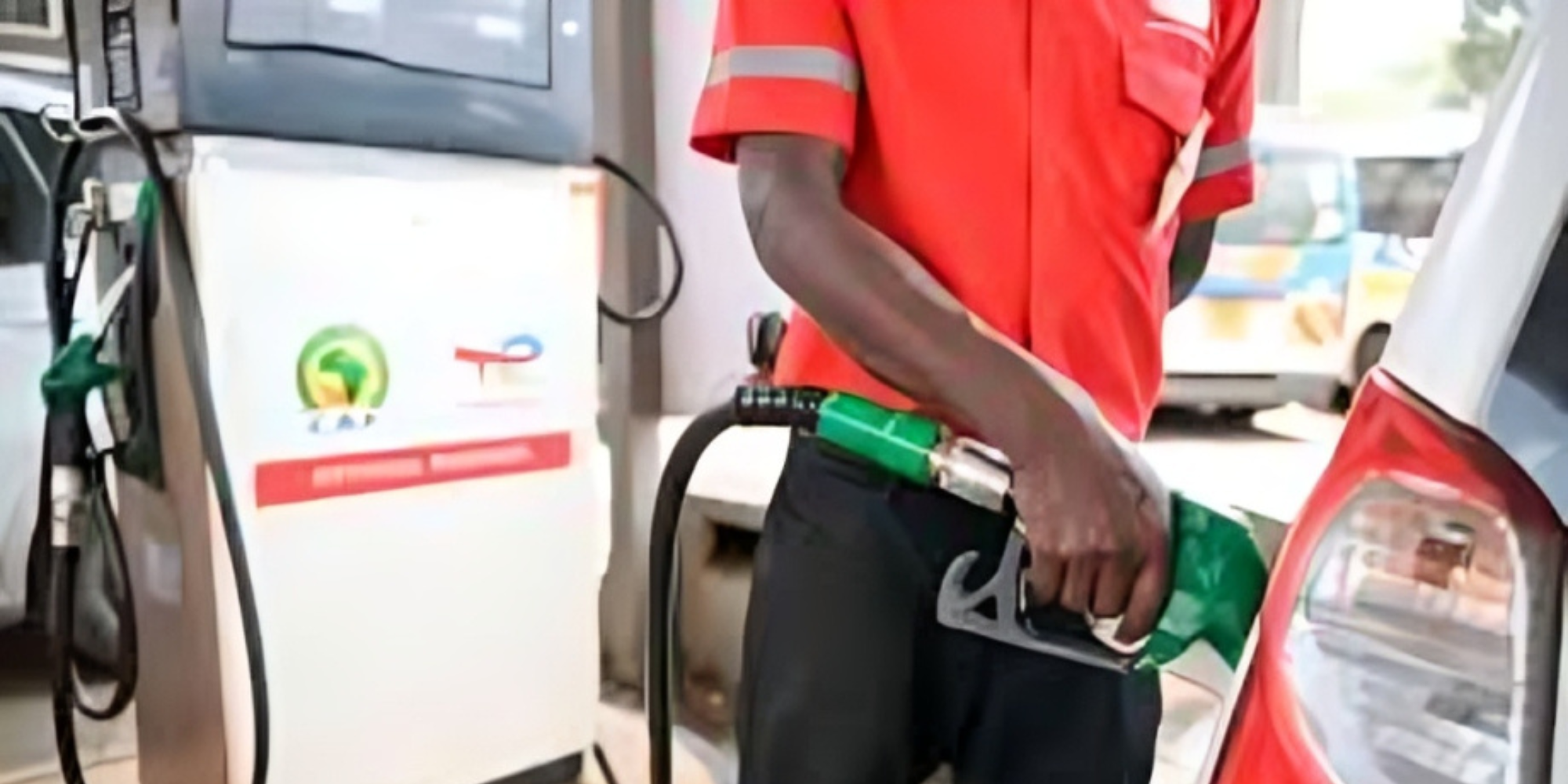
Fuel petrol station in kenya. Photo/ file