Kenyan Motorists Brace for Possible Fuel Price Hike After Global Oil Surge
Share
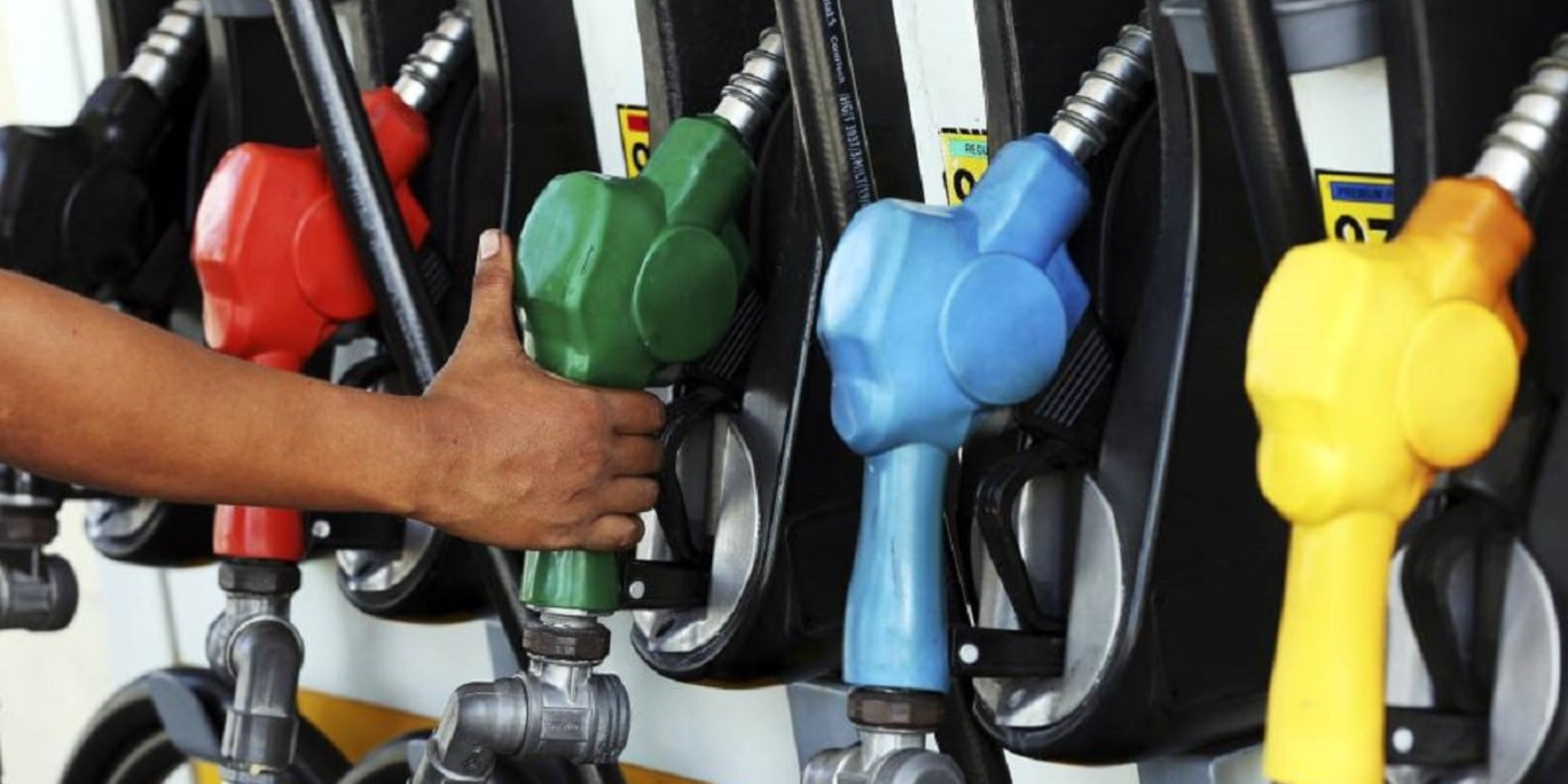
The price of fuel in Kenya might soon go up in the next review by the Energy and Petroleum Regulatory Authority (EPRA), which is set to take place on July 14, owing to the increase in the price of international crude oil by almost 5% due to the reemergence of tensions between the United States and Iran.
The price will most certainly reflect the price of crude oil if the trend is maintained, since Kenya imports all its petroleum products.
On Wednesday, the price of Brent crude futures increased by 5.14% to stand at $77.97(approximately Ksh 10,078.40) per barrel, while that of the U.S. West Texas Intermediate (WTI) crude was recorded at 4.77% to reach $73.80(approximately Ksh 9,539.39) per barrel, the highest in approximately two weeks.
This is attributable to warnings issued by the United States about the possibility of military strikes on Iran.
Tensions Around the Globe Force Oil Prices Upwards
The new upward price trend followed the warning by Donald Trump of further US military action in Iran, implying that all efforts of diplomacy in this regard have failed.
Furthermore, Trump also stated that the memorandum of understanding signed between the United States and Iran is “dead”, meaning that he has no intention of negotiating with Iran anymore.
Also Read:Global Oil Prices Continue to Fall, but Kenyans May Have to Wait Longer for Cheaper Fuel
These statements came amid reports that the general license on selling Iranian oil has been withdrawn, increasing global demand expectations.
Supply Risks Are Back in the Global Markets
Oil prices have remained under pressure as concerns grow over possible disruptions to supplies from the Middle East, particularly through the Strait of Hormuz, one of the world’s busiest oil shipping routes.
The Strait of Hormuz has traditionally carried nearly one-fifth of the world’s oil supplies, making it a critical route for global energy trade.
Recent attacks on commercial ships have raised fresh concerns about the security of tanker traffic through the waterway, increasing fears of potential supply disruptions.
Also Read:Global Oil Prices Fall Below Ksh 9066 Per Barrel, Raising Hopes for Cheaper Fuel
Tankers Reverse Course as Security Worries Mount
It is reported that some oil and liquefied natural gas tankers turned back instead of passing through the Strait of Hormuz as security concerns grew following the latest attacks.
The developments have raised fears that the Strait of Hormuz could face further disruptions if tensions in the region continue to escalate.
The renewed tensions come just weeks after global oil markets began recovering following a brief ceasefire between the United States and Iran, which had helped prices return to pre-conflict levels.
Follow our WhatsApp channel for instant news updates
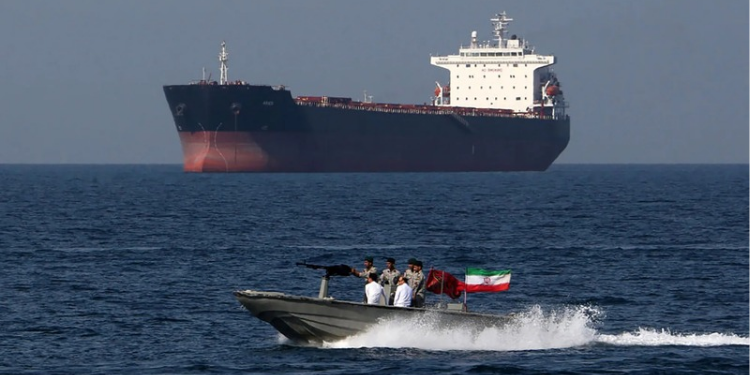
A small Iranian Naval patrol boat cruises past an oil tanker in the Strait of Hormuz canal. PHOTO/ Bloomberg