
OPINION: Why IPOA Is Struggling to Hold Police Accountable
Share
By Dr. Luchetu Likaka
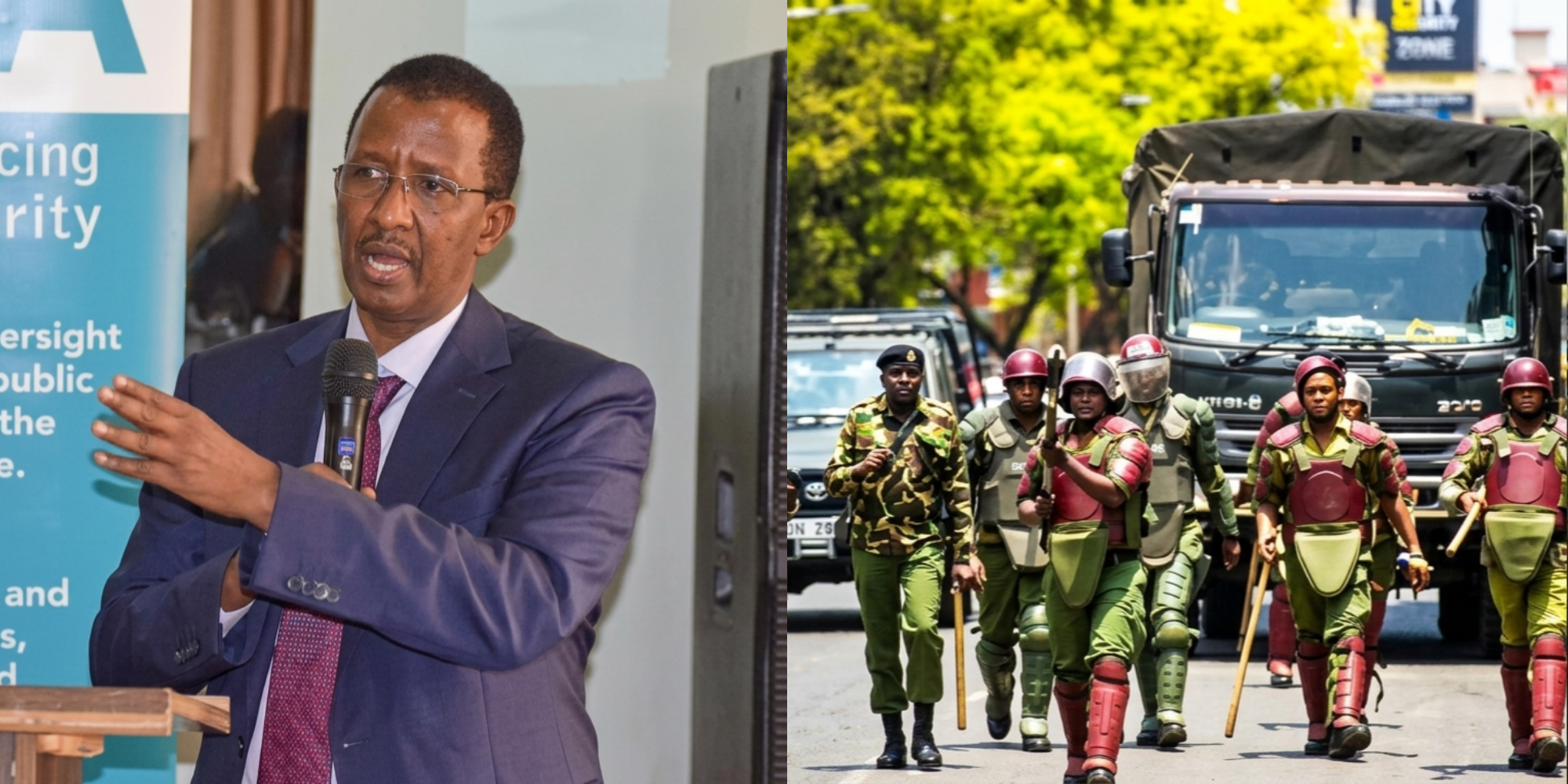
The Independent Policing Oversight Authority (IPOA) was established as a critical pillar of police accountability in Kenya.
Its mandate was clear: investigate police misconduct, promote professionalism within the National Police Service, and restore public confidence in law enforcement.
More than a decade later, however, a growing number of Kenyans are questioning whether IPOA still delivers on this promise.
Increasingly, IPOA appears to be a watchdog that barks loudly but rarely bites.
It continues to issue statements, launch investigations and release reports. However, the public increasingly wonders whether these actions lead to meaningful accountability.
One of the biggest concerns is the persistent gap between investigations and convictions. Cases involving alleged police brutality, extrajudicial killings, enforced disappearances, and excessive use of force often attract public attention and trigger investigations.
Yet many of these cases drag on for years, while others fade into the bureaucratic maze of the criminal justice system. Justice delayed becomes justice denied.
Also Read: Two Years Later, IPOA Still Can’t Identify Officer Who Killed Rex Maasai
IPOA and Accountability Questions
Recent public protests in Kenya have further amplified concerns about IPOA’s effectiveness. Whenever allegations of police excesses emerge, IPOA promises investigations.
However, it rarely communicates clear, timely outcomes. For victims and their families, these delays create the perception that accountability mechanisms exist only on paper.
Another challenge lies in institutional dependence. IPOA was designed as an independent oversight body, yet it relies heavily on the very institutions it oversees.
It depends on access to evidence, witness cooperation, police records, and prosecutorial support. When these processes slow down, IPOA’s ability to deliver justice weakens.
An oversight body without strong enforcement tools risks becoming symbolic instead of transformative.
Transparency Gaps and Eroding Trust
Public confidence continues to decline due to limited transparency. Citizens want more than announcements of ongoing investigations.
They want clear answers on outcomes: how many officers face prosecution, how many have been convicted, and how many recommendations authorities have implemented.
Without consistent reporting on results, public trust continues to erode.
This situation widens the accountability gap. When citizens lose confidence in oversight institutions, they begin to believe that police officers operate with impunity.
This perception threatens both democracy and public security because effective policing depends on public trust and legitimacy.
Also Read: OPINION: We Are Raising Children Who Can’t Handle Frustration
Strengthening the Body for Measurable Impact
To regain credibility, IPOA must shift beyond investigations and demonstrate measurable impact.
It should publish regular updates on major cases, strengthen collaboration with prosecutorial agencies, advocate for stronger enforcement powers, and prioritize the timely resolution of high-profile complaints.
Most importantly, it must ensure that accountability not only happens but is also clearly visible.
Kenya does not merely need an oversight authority; it needs one that commands public confidence through visible results.
Unless IPOA demonstrates the capacity to hold officers accountable regardless of rank or circumstance, it risks losing relevance at a time when accountability matters most.
The question facing IPOA today is not whether it has the legal mandate to oversee the police. It is whether it still possesses the institutional courage, capacity, and effectiveness required to fulfil that mandate in the eyes of the Kenyan public.
Follow our WhatsApp channel for instant news updates
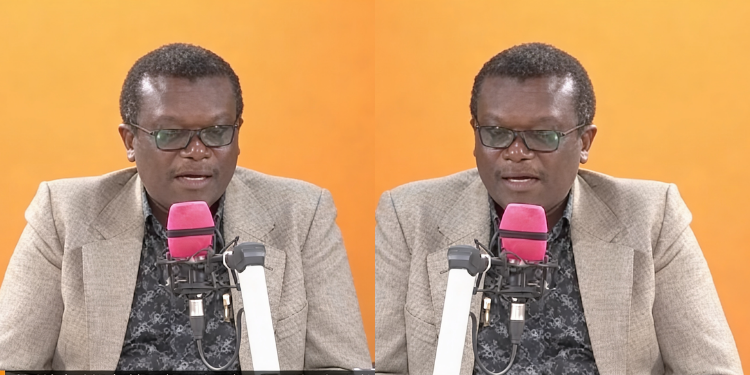
Dr. Luchetu Likaka. PHOTO/ Courtesy.