Why Some Students Receive Less HELB Money Than Others
Share
Students applying for Higher Education Loans Board (HELB) funding do not all receive the same amount of financial support.
Under the new funding Model, the amount of money awarded depends on the level of financial need, where learners from vulnerable backgrounds generally receive more funds.
HELB funding process begins when a student submits details about their family’s financial status and the information is then assessed through a Means Testing Instrument (MTI) to determine how much support a student qualifies for.
HELB Funding Model Reveals Why Student Loan Amounts Differ
During assessment, MTI evaluates several factors to establish a family’s ability to contribute to higher education costs.
Among the factors considered are household income, parental occupation, number of dependants, ownership of assets, geographical location, disability status, orphanhood, vulnerability, and previous educational sponsorship history.
Also Read: Ministry of Education Invites Public Comments on Draft Universities General Regulations 2026
As a result, students from poor households, orphaned backgrounds, or vulnerable families often receive higher HELB allocations funds than students whose families have greater financial resources.
The board further revealed that government databases and social protection records may also be used to verify information provided by applicants to determine the amount or band they qualify.
Therefore, based on the assessment, students are placed into one of five funding bands, with Band 1 representing the most financially vulnerable learners and Band 5 representing those from relatively stable financial backgrounds.
Understanding the Five Funding Bands
According to HELB, Band 1 consists of the most financially vulnerable students, whose households earn an average monthly income of up to Ksh5,995.
These learners receive the highest level of support, including a 70% government scholarship, a 25% HELB loan, and an annual upkeep loan of Ksh60,000.
Additionally, Band 2 covers households earning up to Ksh23,670 per month. Students in this category receive a 60% scholarship, a 30% HELB loan, and Ksh55,000 in annual upkeep support.
Also Read: CS Ogamba Announces New Appointments and Changes in Universities and TVET Management Boards
Band 3 includes students from households earning up to Ksh70,000 monthly and they receive an annual upkeep loan of Ksh50,000 alongside a government scholarship and loan support.
HELB further revealed that Band 4 students are those who come from households earning up to Ksh120,000 per month and receive Ksh45,000 in upkeep support annually.
Band 5 includes students from households earning above Ksh120,000 and receive the lowest level of support under the model, including an annual upkeep loan of Ksh40,000.
Follow our WhatsApp channel for instant news updates

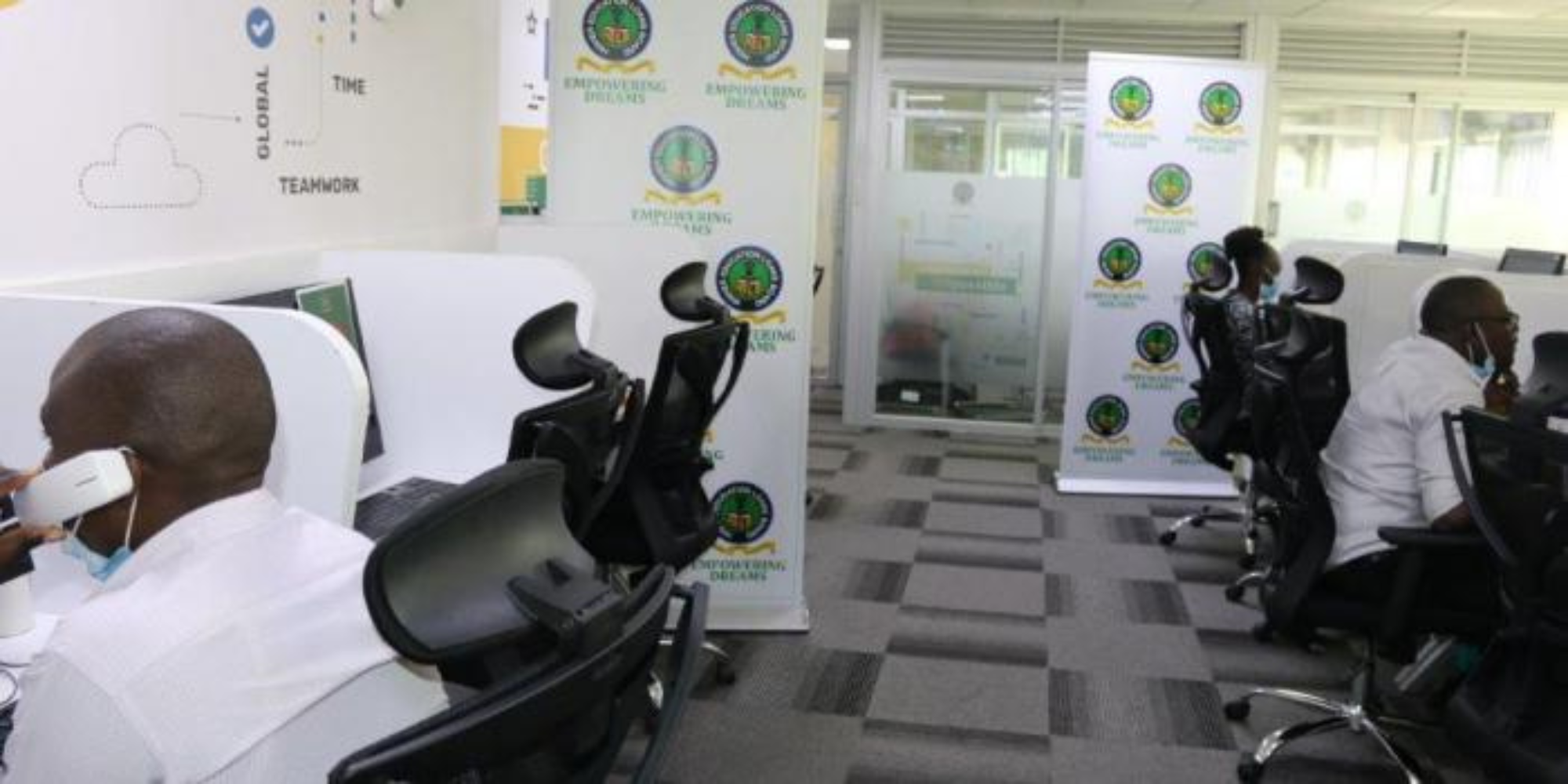
Image illustration of Helb funding model categories. Photo/ file